Deputy Minister of Health Do Xuan Tuyen Visits Sanofi’s State-of-the-Art Vaccine Manufacturing Plant in France

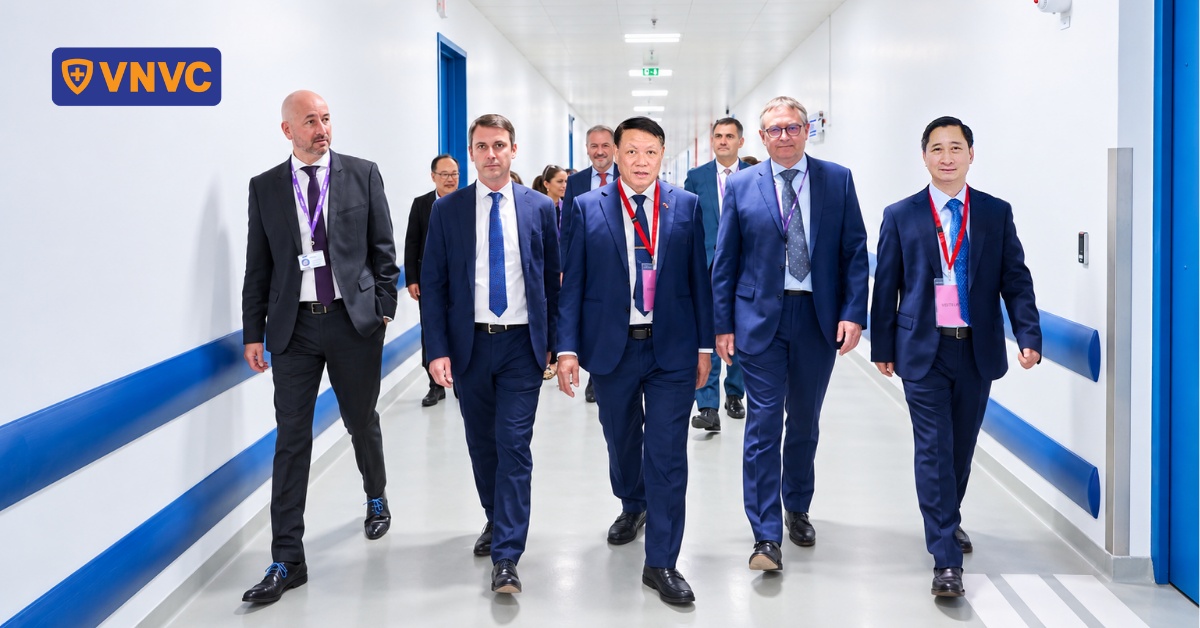
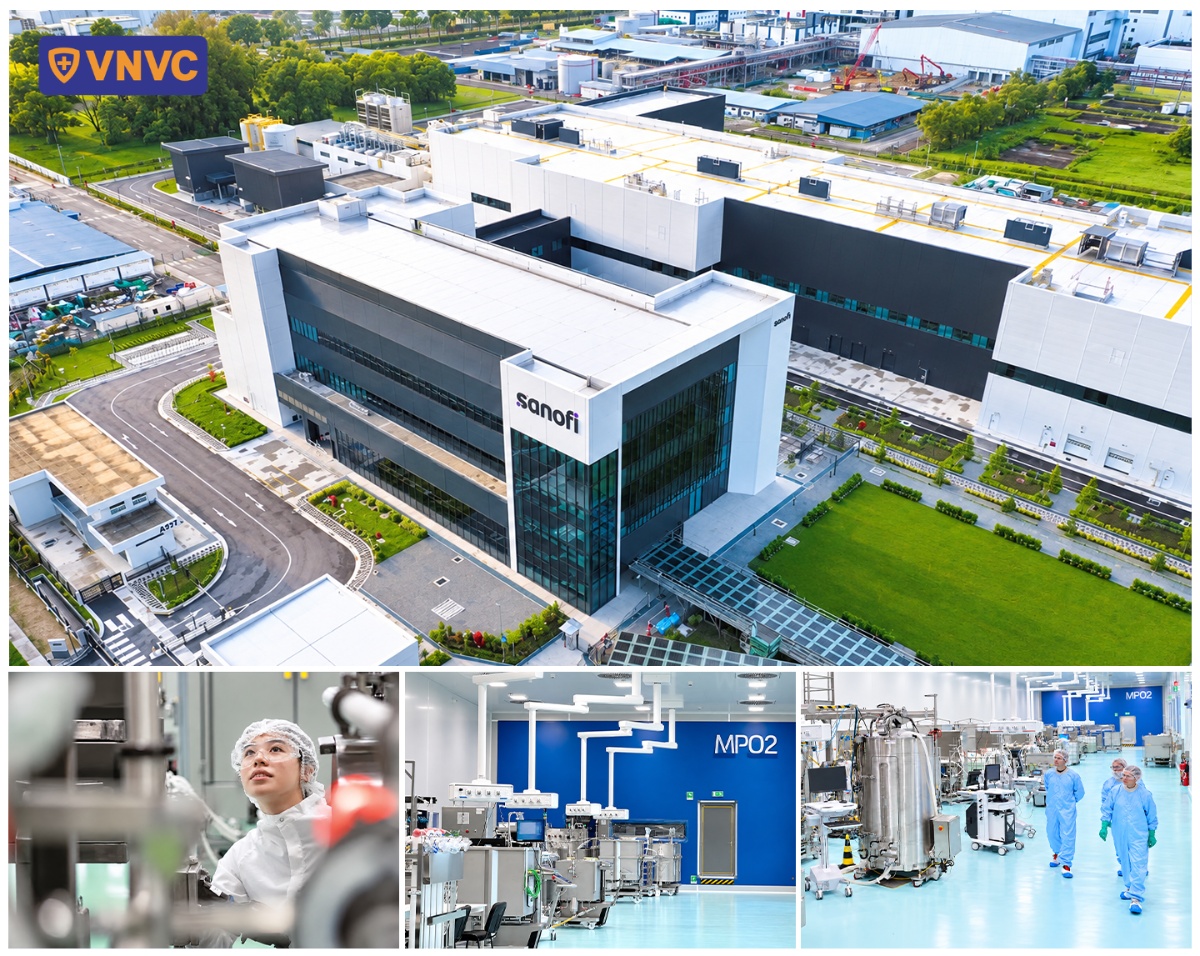
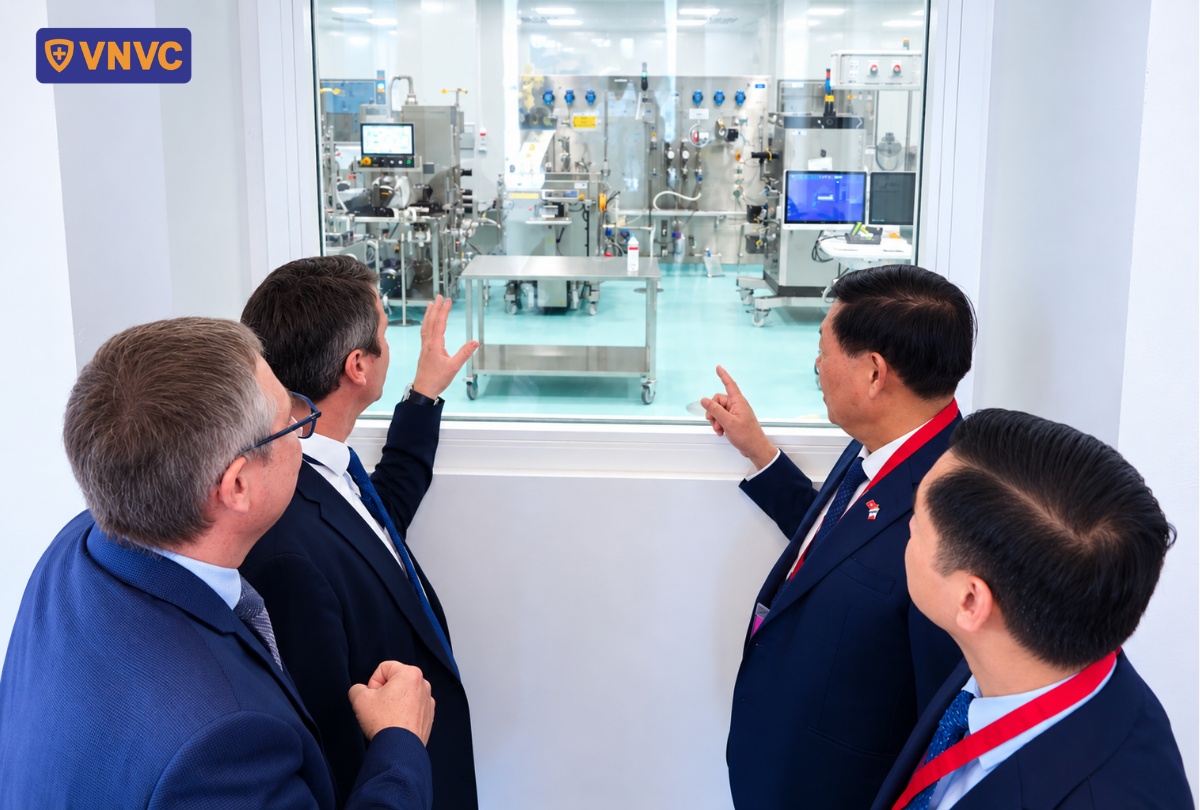
On September 11, Deputy Minister of Health Do Xuan Tuyen visited and held a working session at pharmaceutical group Sanofi's world-leading, state-of-the-art vaccine manufacturing plant in Neuville-sur-Saône, France, which recently announced cooperation with Vietnam Vaccine Joint Stock Company (VNVC) to manufacture three key next-generation vaccines.
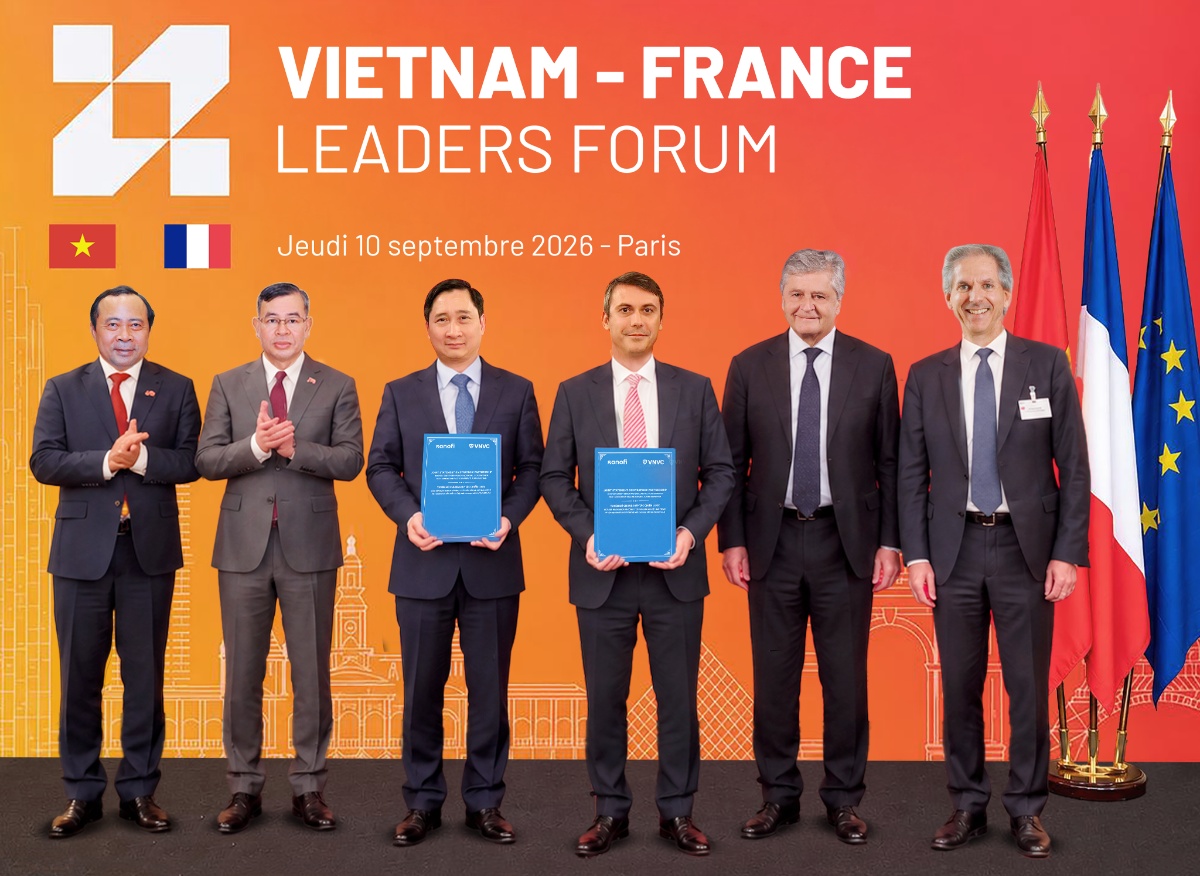
The working trip took place within the framework of General Secretary and President To Lam's state visit to France and immediately after Vietnam's Ministry of Health and France's Ministry of Health, Families, Autonomy and Persons with Disabilities announced a cooperation agreement in the presence of General Secretary and President To Lam and French President Emmanuel Macron.
Learning firsthand about a modern vaccine manufacturing model
The visit took place as Vietnam accelerates the development of its pharmaceutical industry, strengthens domestic manufacturing capacity and expands international cooperation in the field of vaccines. In particular, it came immediately after VNVC announced that it will manufacture three of Sanofi's next-generation vaccines at VNVC's plant from 2028. The visit therefore provided an opportunity for the leadership of Vietnam's Ministry of Health to gain firsthand insight into vaccine manufacturing operations at one of the world's leading state-of-the-art facilities, as well as experience in manufacturing vaccines identified as national strategic technology products of Vietnam.
Sanofi's plant in Neuville-sur-Saône currently produces the source materials for three types of next-generation vaccines – a multivalent influenza vaccine, a meningococcal vaccine protecting against four disease-causing serogroups, and a 6-in-1 vaccine – which are included in the manufacturing cooperation plan between Sanofi and VNVC in Vietnam that the two sides recently announced in their Joint Declaration. All three are important vaccines currently in use in Vietnam and in many countries around the world, and are also among the national strategic technology products prioritized for development by Vietnam.
The plant operates under a flexible manufacturing model that allows its production scale and manufacturing lines to be adjusted to meet different production needs, particularly in public health emergencies such as pandemics.
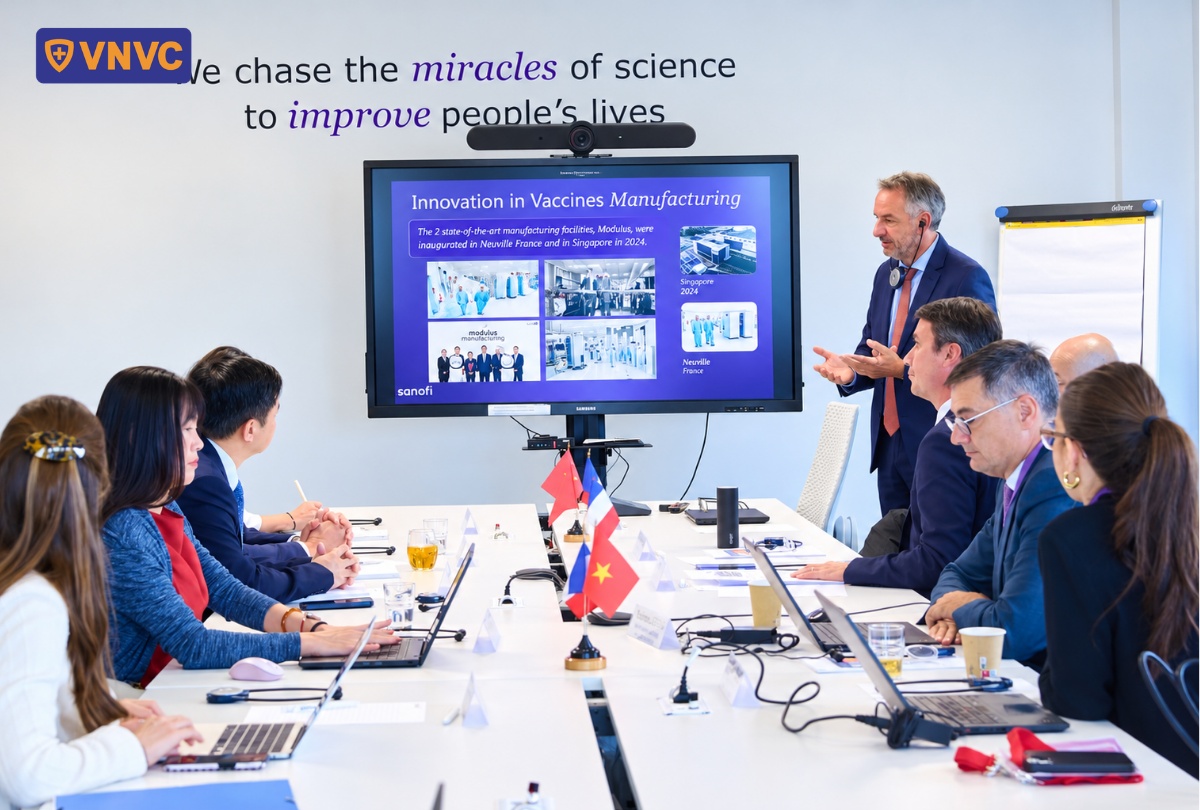
At the working session, Mr. Stephen Alix, Head of International Markets, Vaccines, Sanofi, presented Sanofi's leading capabilities in vaccine manufacturing. Sanofi currently has more than 37 manufacturing sites and 15 Research and Development centers worldwide. Its medicines and vaccines are supplied to more than 170 countries. In the field of vaccination, more than 500 million people worldwide are vaccinated each year with Sanofi's vaccines.
Drawing on his experience working with many countries to support the development of domestic manufacturing capacity for healthcare products, Mr. Stephen Alix said that for a project to be effective and develop sustainably, it must simultaneously have a market of sufficient scale, a favorable policy environment, a partner with a strong capability base, and the ability to deploy technology.
Four foundations for realizing vaccine manufacturing cooperation in Vietnam
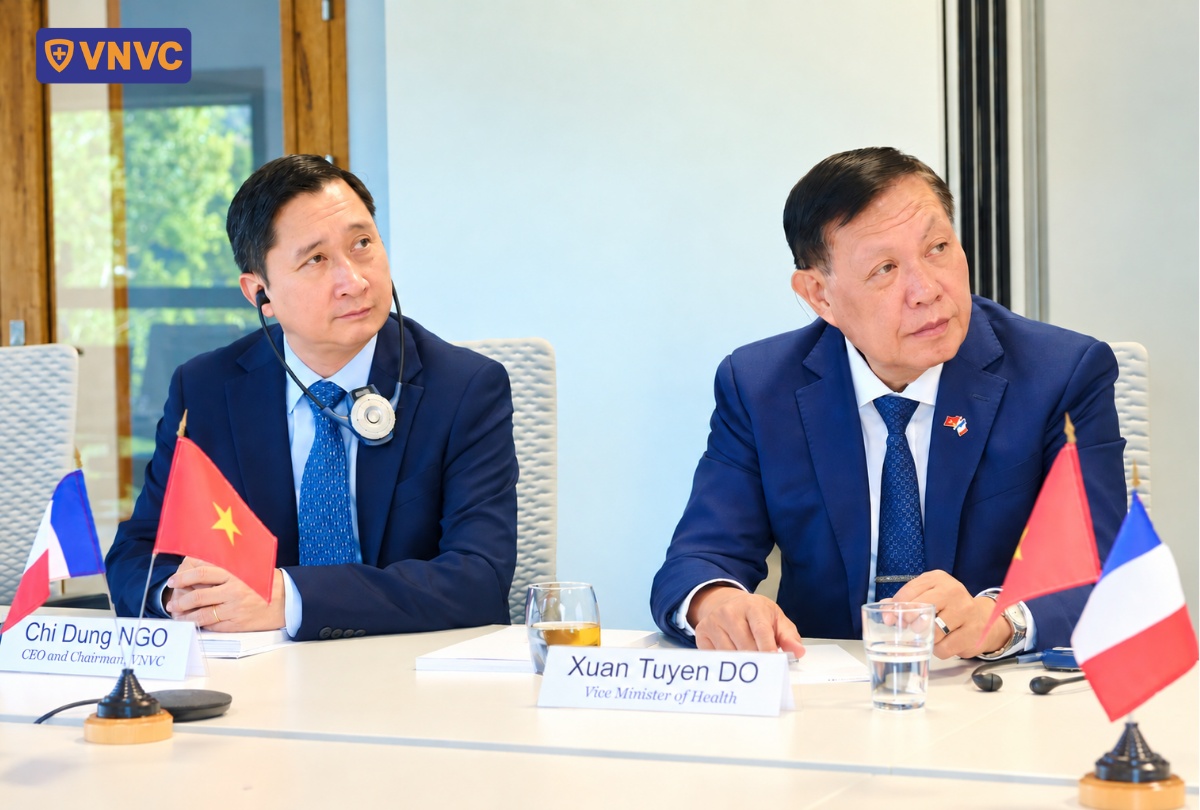
Speaking at the working session, Deputy Minister of Health Do Xuan Tuyen noted that the healthcare cooperation agreements between Vietnam and France and the cooperation process between VNVC and Sanofi are important foundations that need to be further translated into tangible results.
Recalling the message delivered by General Secretary and President To Lam at his meeting with leading Vietnamese and French businesses, Deputy Minister Do Xuan Tuyen emphasized: “Signing documents with one another is just the initial step; what matters most is having products on the market.”
According to the Deputy Minister, realizing this goal requires four important foundations to come together: the State's long-term policy commitments and strategic direction; a market of sufficient scale; the capabilities of the Vietnamese partner; and the international partner's technological, training, and implementation-support capabilities.
The first foundation is long-term policy commitments and strategic direction. Vietnam has demonstrated its policy of developing the pharmaceutical industry and strengthening vaccine manufacturing capacity through Vietnam–France health cooperation agreements, together with major policies on science, technology and healthcare such as Resolution No. 57 and Resolution No. 72 of the Politburo, resolutions of the National Assembly, and the National Strategy for the Development of the Pharmaceutical Industry through 2045. These provide an important policy foundation for a field such as vaccine manufacturing, which requires substantial investment, advanced technology, and a long implementation timeline.
The second foundation is market scale and long-term vaccine demand. With a population of approximately 100 million, Vietnam has substantial demand from both the Expanded Programme on Immunization and fee-based vaccination services. According to the Deputy Minister, Vietnam has gradually allocated resources to expand access to vaccines through the Expanded Programme on Immunization, while the Ministry of Health is developing its direction for the 2030–2035 period to continue studying the addition of necessary vaccines. This not only provides a basis for expanding disease prevention for the people, but also creates long-term demand for the development of domestic manufacturing and greater self-sufficiency in domestic vaccine supply.
The third foundation is the capabilities of the Vietnamese partner. According to the Deputy Minister, VNVC is responsible for preparing all the conditions necessary for implementation, from facilities, equipment, and technical systems to human resources; sending personnel for training at overseas manufacturing sites; and completing the necessary systems and documentation, thereby creating a foundation for technology acquisition and vaccine manufacturing in Vietnam according to the agreed roadmap.
The fourth foundation is the international partner's technological, training, and implementation-support capabilities. According to the Deputy Minister, Sanofi will take part in training the technical team responsible for operations and implementing technology-related activities within the scope of cooperation, working with VNVC toward organizing production in Vietnam. The Deputy Minister also called on the partner to focus on workforce training and promote technology cooperation activities and, more broadly, once the products are manufactured, meet domestic demand and fulfill the necessary requirements, to continue working together to expand access to international markets.
Speaking at the working session, Mr. Ngo Chi Dung, Chairman of the Board of Directors and General Director of VNVC, affirmed that VNVC regards high-technology vaccine manufacturing as a long-term investment strategy, with the determination to develop in Vietnam genuine, modern manufacturing capabilities that approach international standards. VNVC is investing its own capital to build the plant, with more than VND 2.5 trillion in the first phase and a design capacity of 100–120 million doses per year, working toward meeting WHO-GMP, EU-GMP and FDA-cGMP standards.
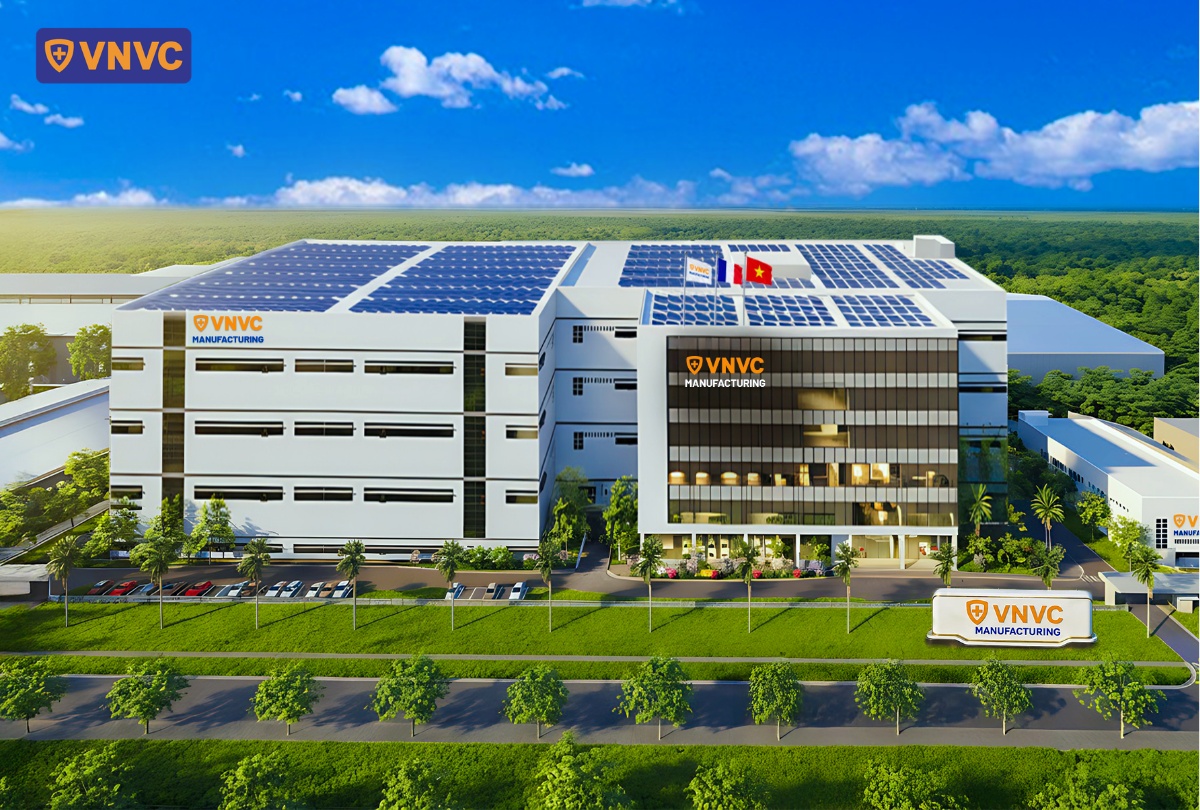
According to Mr. Dung, VNVC's goal is to bring next-generation vaccines into production in Vietnam at an early date, thereby strengthening domestic manufacturing capacity and achieving greater self-sufficiency in vaccine supply. More importantly, people in Vietnam will be able to access more high-quality vaccines at reasonable costs. “We are determined to bring the world's high-quality vaccines to the people of Vietnam at the most reasonable cost,” Mr. Dung stressed.
Concluding the working session, Deputy Minister of Health Do Xuan Tuyen emphasized the need to move decisively from agreements to substantive implementation, with a roadmap, products, and specific milestones. Under the plan discussed, construction of the VNVC Vaccine and Biological Manufacturing Plant is expected to be completed in 2027; installation is to be completed in 2028, with the goal of having the first product; and commercialization of the first two to three products is expected in 2029. From 2030 onward, the goal is to strive for one new product each year.
The Deputy Minister also set out a long-term vision: once products manufactured in Vietnam meet domestic demand and fulfill the necessary requirements, the two sides should work toward expanding opportunities to access international markets. Accordingly, the cooperation aims not only to meet domestic disease prevention needs, but also to progressively strengthen manufacturing capabilities, creating a foundation for Vietnam to participate more deeply in the global vaccine value chain and supply chain.
The results of the cooperation are expected to contribute to realizing the policy of developing the pharmaceutical industry and high-technology vaccines, increasing self-sufficiency in vaccine supply, and strengthening national health security. The gradual introduction of next-generation vaccines into domestic manufacturing will contribute to expanding access to high-quality vaccines at reasonable costs, further supporting disease prevention and the care and protection of people's health.


OTHER ARTICLES
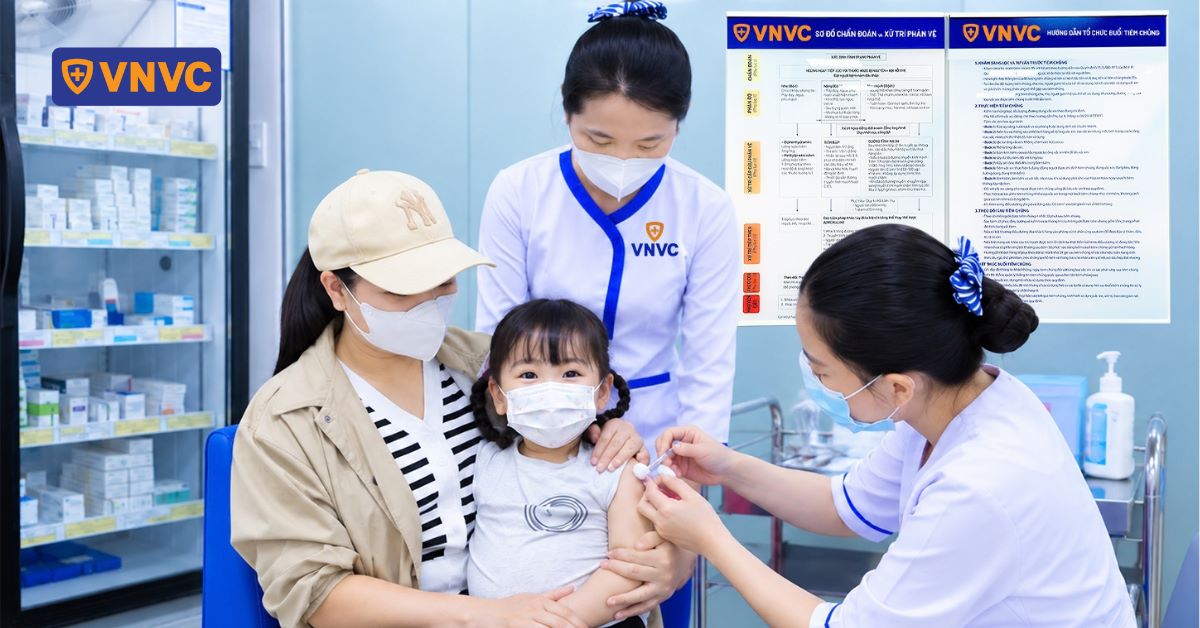
More Than 100,000 Vietnamese Children Vaccinated Against Hand, Foot, and Mouth Disease at VNVC Two Weeks Into Rollout
The VNVC Vaccination Center System began administering Vietnam’s first hand, foot, and mouth disease vaccine on September 25, rapidly making vaccination available to children nationwide through its...
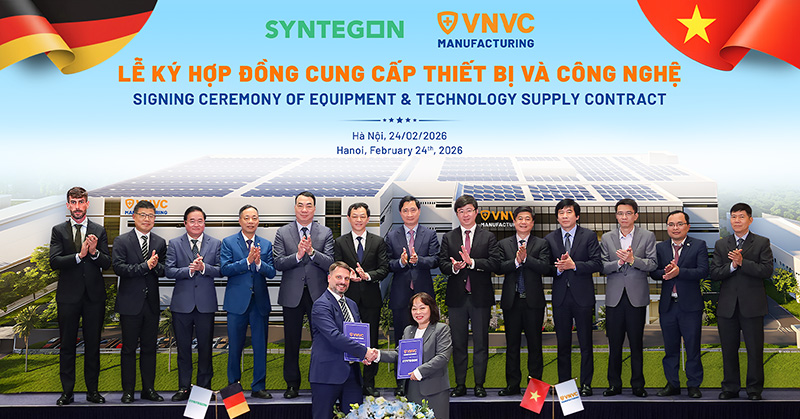
VNVC Vaccine and Biological Manufacturing Plant signs contract to purchase one of the world’s most advanced vaccine manufacturing lines
On February 24 in Hanoi — In the presence of Deputy Minister of Health Nguyen Tri Thuc and Deputy Minister of Science and Technology Bui Hoang Phuong,...
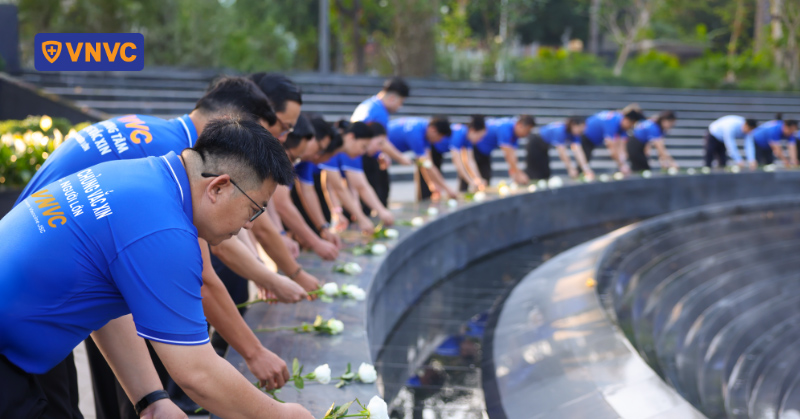
VNVC Commemorates COVID-19 Victims at the “Teardrop” Monument on the 5th Anniversary of Bringing the First COVID-19 Vaccines to Vietnam
VNVC held a floral offering ceremony at the "Teardrop" Monument to commemorate people, officers, soldiers, and frontline forces who lost their lives to COVID-19, and to remind...

VNVC is a leading vaccination system in Southeast Asia
On April 18 in Singapore, the VNVC Vaccination System was honored as the No. 1 Vaccination System in ASEAN 2026, while also receiving two major awards: “ASEAN...
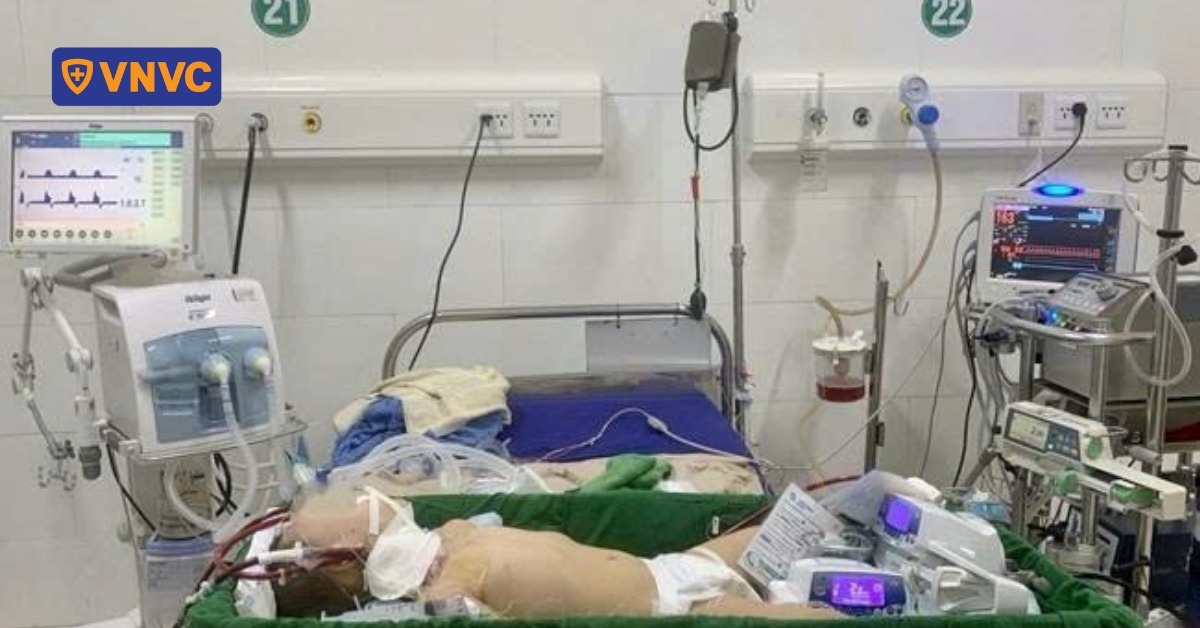
Understanding the burden of respiratory diseases in young children and comprehensive protection strategies from the earliest days of life
More than 70% of hospitalizations due to respiratory syncytial virus (RSV) occur within the first 6 months of life; pneumococcus accounts for approximately 50% of deaths from...
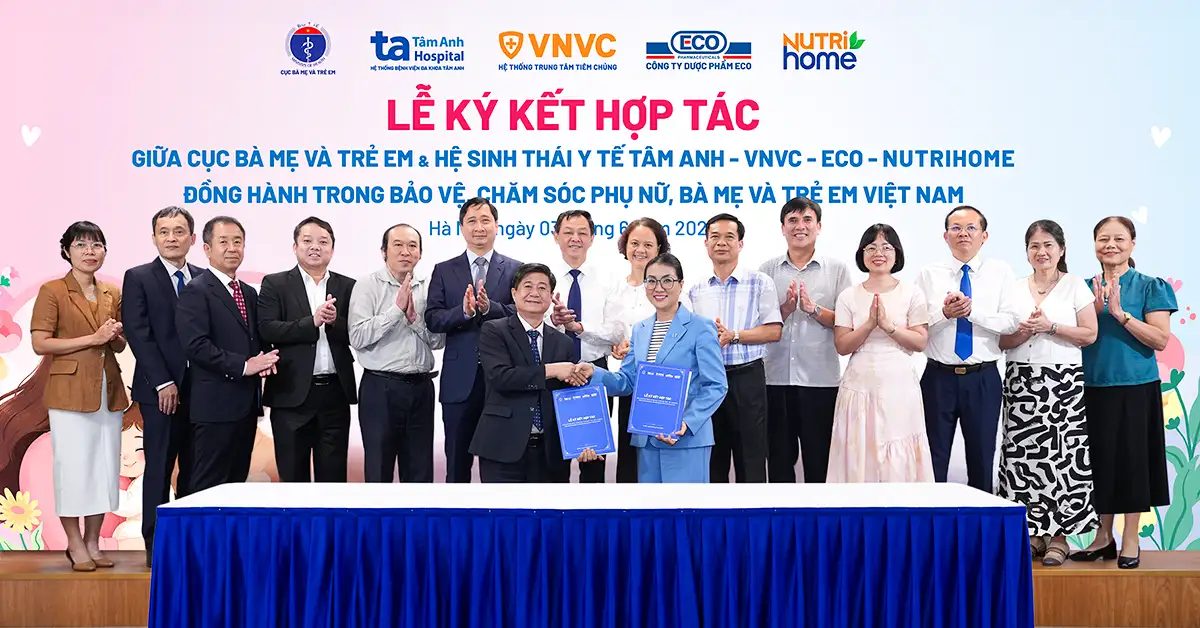
The Tam Anh – VNVC Healthcare Ecosystem signs a cooperation agreement with the Administration of Maternal and Children’s Affairs (Ministry of Health) to strengthen comprehensive health protection for Vietnamese women and children
On June 3, 2026, in Hanoi, the Administration of Maternal and Children's Affairs (Ministry of Health) and the Healthcare Ecosystem comprising Tam Anh General Hospital, VNVC Vaccination...