
Vietnam now has a hand, foot, and mouth disease vaccine, administered for the first time and exclusively at the VNVC Vaccination Center System

On September 25, 2026, amid a rise in hand, foot, and mouth disease (HFMD) cases, many of them severe, the VNVC Vaccination Center System and Substipharm Biologics (Switzerland) officially launched the vaccine against EV71-associated HFMD and began administering it – for the first time and exclusively – across nearly 300 VNVC vaccination centers nationwide.
This marks the first time the vaccine has become available in Vietnam and Southeast Asia. It provides a weapon against HFMD that pediatricians have awaited for several decades, ever since this highly dangerous disease was accurately identified.
It is also the first time Vietnam has had a vaccine that has been extensively studied in the country, with data demonstrating good protection against HFMD virus strains commonly circulating in Vietnam, particularly EV71.
Safely tested in nearly 2,500 children in Vietnam
Dr. Bach Thi Chinh, MD, Specialist Level I, Medical Director of the VNVC Vaccination Center System, said the vaccine against EV71-associated HFMD from pharmaceutical group Substipharm Biologics (Switzerland) is indicated for children aged 2 months to under 6 years (before their sixth birthday), protecting the age group at highest risk of severe disease. The vaccination schedule consists of 2 or 3 doses, depending on the age at which vaccination begins.
Dr. Chinh said the vaccine against EV71-associated HFMD is the result of many years of research, with contributions from scientists around the world. This research has generated a valuable body of scientific evidence, including data on the vaccine's safety and effectiveness specifically in children in Vietnam. In the Phase III clinical trial involving more than 3,000 children, Vietnam accounted for a full 82.9%, or nearly 2,500 children. The results showed that the vaccine achieved 96.8% protective efficacy against EV71-associated HFMD, with no cases of severe EV71-associated disease recorded in the vaccinated group. The vaccine also generates strong immune responses against multiple EV71 genotypes. This is particularly significant given the virus's multiple genotypes and the fact that circulating strains can change over time.

A milestone Vietnam's pediatric community has awaited for years
The arrival of the vaccine against EV71-associated HFMD not only meets the expectations of many families with young children but also marks a development that the pediatric, infectious disease, and preventive healthcare communities have been awaiting for many years.
Dr. Truong Huu Khanh, Vice President of the Ho Chi Minh City Infectious Diseases Association, a leading expert in pediatric infectious diseases, and a Vietnamese physician who participated in drafting HFMD treatment guidelines for the World Health Organization (WHO), said the vaccine against EV71-associated HFMD is a solution many pediatricians have awaited for years, especially as they have witnessed numerous major outbreaks in which successive waves of children were hospitalized, deteriorated rapidly, and developed dangerous complications.
“I have been waiting for this vaccine for a very long time. For years, many parents have asked me when an HFMD vaccine would finally become available. Every HFMD season, parents worry, and doctors are under pressure too, because some children are alert and still playing at first but can become severely ill within just a few hours. Saving one severely ill child requires a great deal of staff, medicine, and critical care equipment for continuous monitoring. During major outbreaks, the rapid increase in hospitalized children also places considerable pressure on hospitals and pediatric critical care systems. This burden has persisted for many years. That is why I am very glad that Vietnam now has a vaccine against EV71 for children,” Dr. Khanh said.
Dr. Nguyen An Nghia, MD, PhD, Deputy Head of the Infectious Diseases and Neurology Department at Children's Hospital 1 (Ho Chi Minh City), said that in more than 20 years of treating infectious diseases, he has seen many children with HFMD progress from mild to critical illness. Some progressed from Grade 1 to Grade 4, with respiratory and circulatory failure, in just 6–8 hours. Worryingly, some children with EV71-associated HFMD become severely ill despite having very few skin or mucosal lesions. This makes the illness difficult to recognize and easy to mistake for teething fever, sore throat, canker sores, fever with rash, or chickenpox.
EV71 is of particular concern because it carries a higher risk of severe disease due to its strong neurotropism. It rapidly damages the central nervous system, particularly the brainstem, hypothalamus, and cerebellum. This damage in turn leads to injury to the brainstem reticular formation, autonomic dysfunction, and acute cardiopulmonary complications, among others.
“There are children whose mothers told us they were drinking milk and playing normally that morning, but within just a few hours they could develop neurological complications, heart rhythm and blood pressure disturbances, pulmonary edema, and multi-organ failure. Children who make it through the critical phase may still face neurological sequelae such as weakness or paralysis, seizures, or developmental delay,” Dr. Nghia recalled.

The average cost of treating a severe case requiring intensive care, vasopressors, mechanical ventilation, or continuous blood filtration can range from tens of millions to hundreds of millions of dong. A single course of intravenous immunoglobulin (IVIG) alone can cost tens of millions of dong. These costs, paid by health insurance and parents, place a very heavy burden on individual families and society.
September to November each year is the peak season for the disease, when children return to school. Children's Hospital 1 is currently treating about 50 children as inpatients, nearly one-third of them severe cases, and about 65% of these patients come from other provinces. Every day, the hospital receives 50–60 children with the disease for outpatient examination. With case numbers at risk of continuing to rise in the coming weeks, the hospital has prepared staff and medicines, updated its treatment guidelines, and arranged an area of more than 100 beds ready to receive pediatric patients.
A study on the economic burden of HFMD in Vietnam was conducted by experts from Children's Hospital 1, Children's Hospital 2, and the Hospital for Tropical Diseases in Ho Chi Minh City, in collaboration with the Oxford University Clinical Research Unit (OUCRU). It was published in the international medical journal Open Forum Infectious Diseases (US). According to the study, the total direct and indirect economic losses caused by the disease in Vietnam amount to more than USD 90.7 million a year (equivalent to more than VND 2,000 billion).
From an epidemiological and public health perspective, Assoc. Prof. Tran Dac Phu, MD, PhD, former Director-General of the General Department of Preventive Medicine (Ministry of Health), said the introduction of the EV71 vaccine opens a new phase in HFMD prevention and control in Vietnam. For many years, Vietnam relied mainly on infection control, outbreak surveillance, and treatment once children became ill. Preventive healthcare now has an additional tool for building active immunity against EV71, a pathogen associated with many severe cases. This strengthens the ability to protect children early and reduce the disease burden on families, communities, and the health system.
“This is a very important shift in thinking on HFMD prevention and control, from relying mainly on infection control measures to combining them with vaccination to build active immunity that protects children earlier and more effectively. The EV71 vaccine needs to be rolled out within a comprehensive prevention strategy, coordinated across vaccination, preventive hygiene, epidemiological surveillance, and early case detection,” Assoc. Prof. Phu emphasized.
Mr. Fabrice Baschiera, Chief Executive Officer of Substipharm Biologics, said Vietnam is one of the countries bearing a significant burden from many infectious diseases, including HFMD. It is also the first country in Southeast Asia to roll out Substipharm Biologics' EV71 vaccine. Before this, the Group had gained experience bringing a next-generation Japanese encephalitis vaccine to 13 countries in the Asia-Pacific region, including Vietnam.
“We are delighted that the vaccine against EV71-associated HFMD has been brought to Vietnam. This is an important milestone, especially as Vietnam has made significant contributions to the clinical trial research. The researchers, healthcare teams, and children and families in Vietnam who took part in the study have contributed to generating important scientific data on the vaccine's safety and effectiveness,” Mr. Baschiera said.
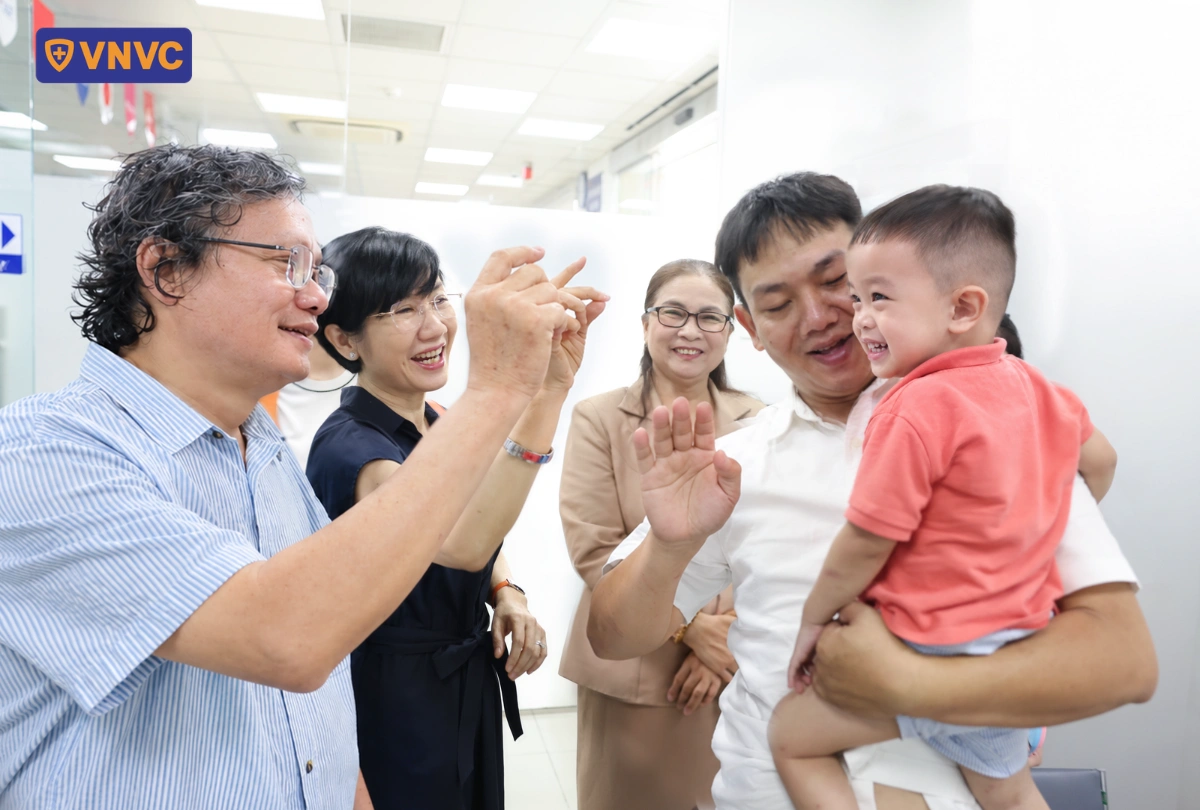
Not only has the EV71 HFMD vaccine been proven in clinical trials, but it also has real-world evidence from Taiwan. Taiwan has extensive experience in EV71 surveillance, prevention, and control and has been rolling out this vaccine since 2023. According to Prof. Li-Min Huang, MD, former Director of National Taiwan University Children's Hospital and Honorary President of the Infectious Diseases Society of Taiwan, more than 600,000 doses of the EV71 vaccine were administered from August 2023 to September 2026.
Notably, since the vaccine was introduced, Taiwan CDC reports have not recorded EV71 among severe HFMD cases in 2024–2026. Before then, the virus accounted for a significant proportion of severe cases.
“Real-world implementation and post-vaccination monitoring in Taiwan continue to document the vaccine's safety and effectiveness. The EV71 vaccine can be given together with other vaccines at the same visit without affecting the ability to generate an immune response. This helps children be better protected and saves parents time and effort,” Prof. Huang said.
The vaccine parents in Vietnam have most eagerly awaited for years
On the very first day the VNVC Vaccination Center System rolled out the EV71 HFMD vaccine in Vietnam, many families in Hanoi, Ho Chi Minh City, Da Nang, Can Tho, and other localities brought their children in for screening and vaccination. Tens of thousands of advance registrations were recorded at nearly 300 VNVC centers nationwide. Notably, children under 3 – the group at high risk of infection and severe progression – accounted for about 70% of the children registered and vaccinated that day. This demonstrates very strong demand for early protection against EV71.
In Ho Chi Minh City, Mr. Nguyen Duc Quy (Hoa Hung Ward) brought his son, Nguyen Chi Minh Duc (23 months old), to VNVC very early. He said he had been following the news and waiting for the vaccine for a long time, especially as his son is at an age when he is beginning to explore and have more contact with his surroundings.
“My son often crawls and puts objects and his hands in his mouth, while daycare is full of young children, so the risk of infection has always worried our family. Now that VNVC has the vaccine, I came early to get him vaccinated to protect him and to feel more at ease when he goes to school,” Mr. Quy said.

In Hanoi, Ms. Nguyen Thi Minh Nguyet (56, Phuc Loi Ward) brought her granddaughter, Thao Tien (24 months old), to VNVC to be vaccinated on the very first day of the rollout. Although Tien's parents are away on business, the family arranged for her to be vaccinated early as soon as they learned the HFMD vaccine was available at VNVC.
“Tien's older sister once had hand, foot, and mouth disease, with a fever and mouth ulcers that left her unable to eat or drink. While she was sick, the whole family spent many anxious nights worrying that the illness would become severe, because back then there was no vaccine to prevent it. So when we learned that VNVC now has the vaccine and that Tien is the right age for it, her parents were very glad and told me to take her to be vaccinated right away so she could be protected early,” Ms. Nguyet said.
To bring the vaccine to children in Vietnam as early as possible, VNVC began preparing well in advance in terms of both supply and rollout capacity, Dr. Chinh said. As early as February 18, 2025, VNVC and Substipharm Biologics signed a memorandum of understanding on cooperation. The memorandum aimed to prioritize EV71 vaccine supply for Vietnam immediately after licensing procedures were completed.
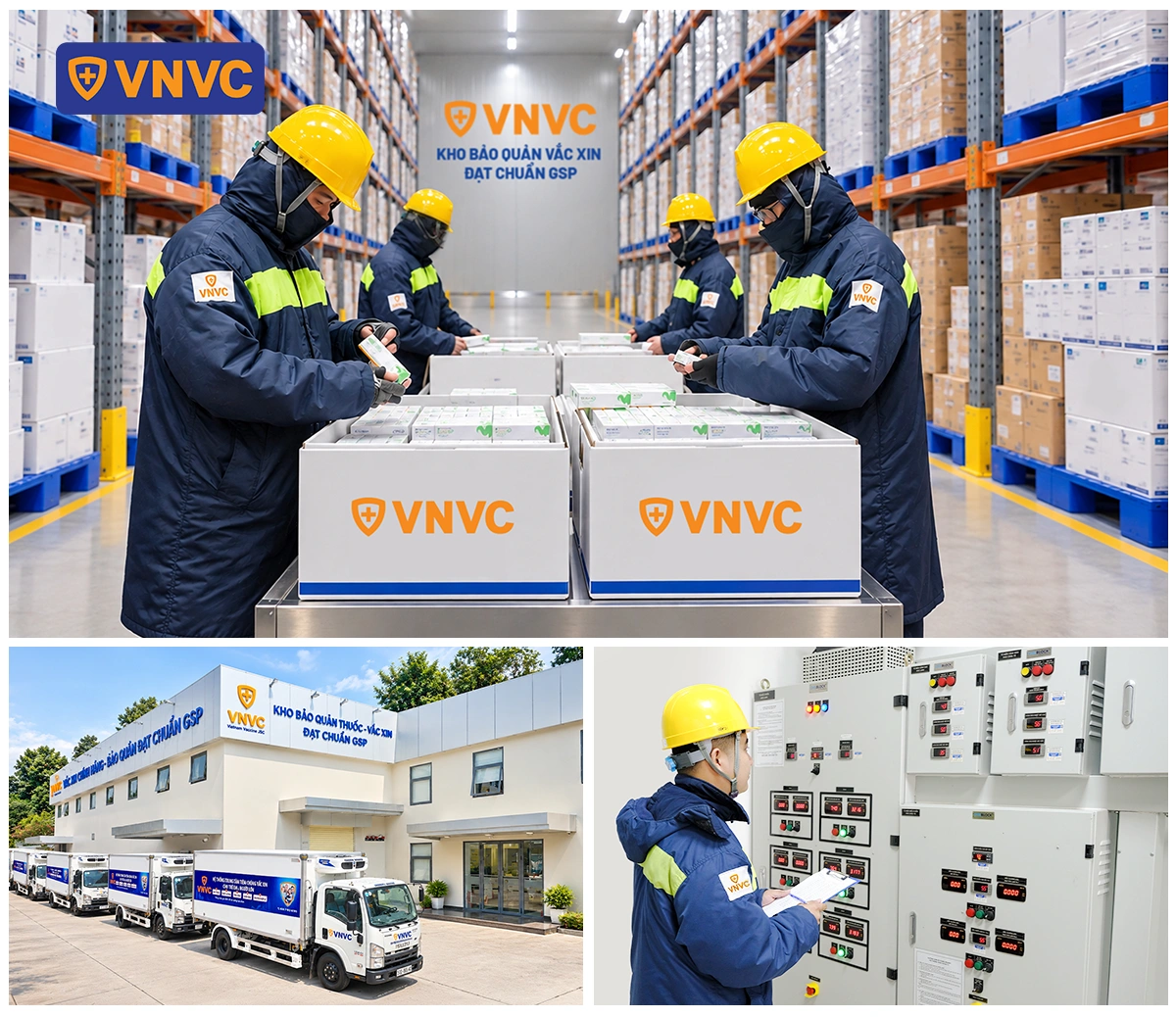
Alongside supply preparations, VNVC trained its staff, updated its professional guidance, and held domestic and international conferences to exchange experience. It also prepared systems to receive, store, and transport the vaccine at 2–8°C in a GSP-compliant cold chain. VNVC has nearly 300 centers nationwide, more than 12,000 doctors, nurses, and healthcare staff, and experience rolling out many new vaccines. It is therefore ready to deliver coordinated vaccination across its entire system, helping children in many localities gain early, safe, and convenient access to the vaccine.
“We recognize that introducing a new vaccine is not only about ensuring supply but also about readiness in everything from staffing, expertise, and the vaccine storage chain to safe vaccination procedures and post-vaccination monitoring and management. VNVC will roll out HFMD vaccination in line with the principles of comprehensive safety and optimal effectiveness, while working to implement special offer programs that enable many children in Vietnam to gain access and be protected early and promptly against EV71,” Dr. Chinh emphasized.
| EV71 accounted for 90.4% of severe cases recorded in the 2023 outbreak
Hand, foot, and mouth disease is an acute infectious disease that causes hundreds of thousands of cases in Vietnam every year. Children under 6, especially those under 3, have the highest rates of infection and complications. The disease spreads mainly through contact with the saliva, blister fluid, or feces of people carrying the pathogen, and outbreaks commonly occur in daycare centers and kindergartens. HFMD is caused by several groups of intestinal viruses. Among them, EV71 is one of the agents associated with the majority of deaths or neurological, respiratory, and cardiovascular complications. Because children can contract HFMD from many different agents in the Enterovirus group, those who have been infected remain at risk of catching it again. The disease typically breaks out in cycles of 3–5 years. Vietnam has experienced major outbreaks. In 2011–2012, the country recorded more than 170,000 cases and more than 200 deaths. The most recent outbreak, in 2023, saw more than 181,000 cases and 31 deaths, with EV71 accounting for 82% of hospitalizations and 90.4% of recorded severe cases. In 2026, case numbers remain high, with nearly 100,000 cases and 10 deaths, and circulation of the EV71 strain has been recorded since the start of the year.
|
|
About the VNVC Vaccination Center System VNVC is Vietnam's leading large-scale, modern vaccination system, providing tens of millions of doses of high-quality vaccines to children and adults. After nearly 10 years of development, VNVC has expanded its network to nearly 300 vaccination centers, with more than 12,000 highly qualified doctors, nurses, and healthcare staff. In the nearly 10 years since its founding, VNVC has worked with many pharmaceutical companies to bring more than 20 next-generation vaccines and biological products to Vietnam. These include 13-, 15-, 20-, and 23-valent pneumococcal vaccines; dengue vaccine; meningococcal vaccines against disease-causing serogroups B and ACYW; shingles vaccine; and RSV vaccines and monoclonal antibodies, among others. During the COVID-19 pandemic, VNVC contributed USD 30 million to vaccine research alongside scientists from the University of Oxford and AstraZeneca. Thanks to early access, VNVC purchased 30 million doses of the AstraZeneca vaccine and transferred them to the Government on a non-profit basis, making Vietnam one of the first countries in Asia to have the vaccine. VNVC is currently expanding into research, technology transfer, and high-tech vaccine manufacturing. This contributes to building Vietnam's capacity for vaccine self-sufficiency as VNVC builds the VNVC Vaccine and Biological Manufacturing Plant in Tay Ninh. The plant has a first-phase investment of more than VND 2,500 billion and is intended to be built to international standards: WHO-GMP, EU-GMP, and cFDA-GMP. At the same time, VNVC is cooperating with many international corporations and organizations, such as Pfizer, GSK, Sanofi, and the Russian Direct Investment Fund, among others, to advance research and manufacturing cooperation on next-generation vaccines. The plant is expected to begin operations in late 2027, aiming to produce its first vaccine batches from 2028 and commercialize them from 2029. VNVC has now reached an agreement with Sanofi (France) on cooperation to manufacture its first three next-generation vaccines: a 6-in-1 vaccine containing an acellular pertussis component, a meningococcal vaccine, and an influenza vaccine. Production is expected from 2028 and commercialization from 2029.
About Substipharm Biologics (Switzerland) Substipharm Biologics is a company specializing in vaccines and biological products, headquartered in Geneva, Switzerland, and part of Substipharm Group. Founded in 1995, Substipharm Group develops, supplies, and distributes medicines in more than 100 countries, with a portfolio of more than 90 products. In 2022, Substipharm acquired the Japanese encephalitis vaccine IMOJEV® and established Substipharm Biologics to focus on developing its vaccines and biological products business. IMOJEV® is currently distributed in 14 countries in Southeast Asia and Australia. In Vietnam, VNVC has administered IMOJEV® since 2019. Substipharm Biologics and Medigen Vaccine Biologics Corporation (MVC) have announced an agreement to distribute the ENVACGEN® EV71 vaccine in the region, with Vietnam as the first market for rollout under the cooperation. In February 2025, Substipharm Biologics signed a memorandum of understanding on cooperation with VNVC. The memorandum aims to expand vaccine access in Vietnam, promote scientific exchange and healthcare worker training, and raise community awareness of disease prevention. |


OTHER ARTICLES
More Than 100,000 Vietnamese Children Vaccinated Against Hand, Foot, and Mouth Disease at VNVC Two Weeks Into Rollout
The VNVC Vaccination Center System began administering Vietnam’s first hand, foot, and mouth disease vaccine on September 25, rapidly making vaccination available to children nationwide through its...
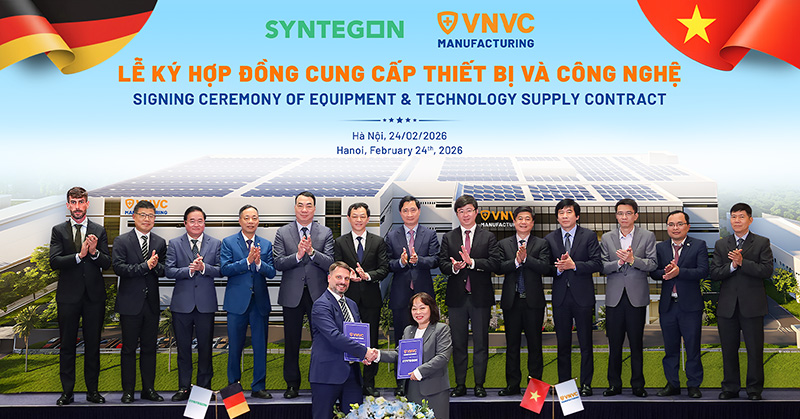
VNVC Vaccine and Biological Manufacturing Plant signs contract to purchase one of the world’s most advanced vaccine manufacturing lines
On February 24 in Hanoi — In the presence of Deputy Minister of Health Nguyen Tri Thuc and Deputy Minister of Science and Technology Bui Hoang Phuong,...
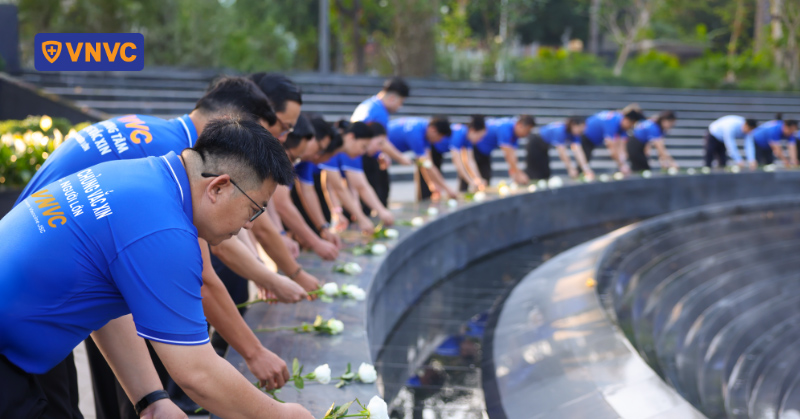
VNVC Commemorates COVID-19 Victims at the “Teardrop” Monument on the 5th Anniversary of Bringing the First COVID-19 Vaccines to Vietnam
VNVC held a floral offering ceremony at the "Teardrop" Monument to commemorate people, officers, soldiers, and frontline forces who lost their lives to COVID-19, and to remind...

VNVC is a leading vaccination system in Southeast Asia
On April 18 in Singapore, the VNVC Vaccination System was honored as the No. 1 Vaccination System in ASEAN 2026, while also receiving two major awards: “ASEAN...
Understanding the burden of respiratory diseases in young children and comprehensive protection strategies from the earliest days of life
More than 70% of hospitalizations due to respiratory syncytial virus (RSV) occur within the first 6 months of life; pneumococcus accounts for approximately 50% of deaths from...
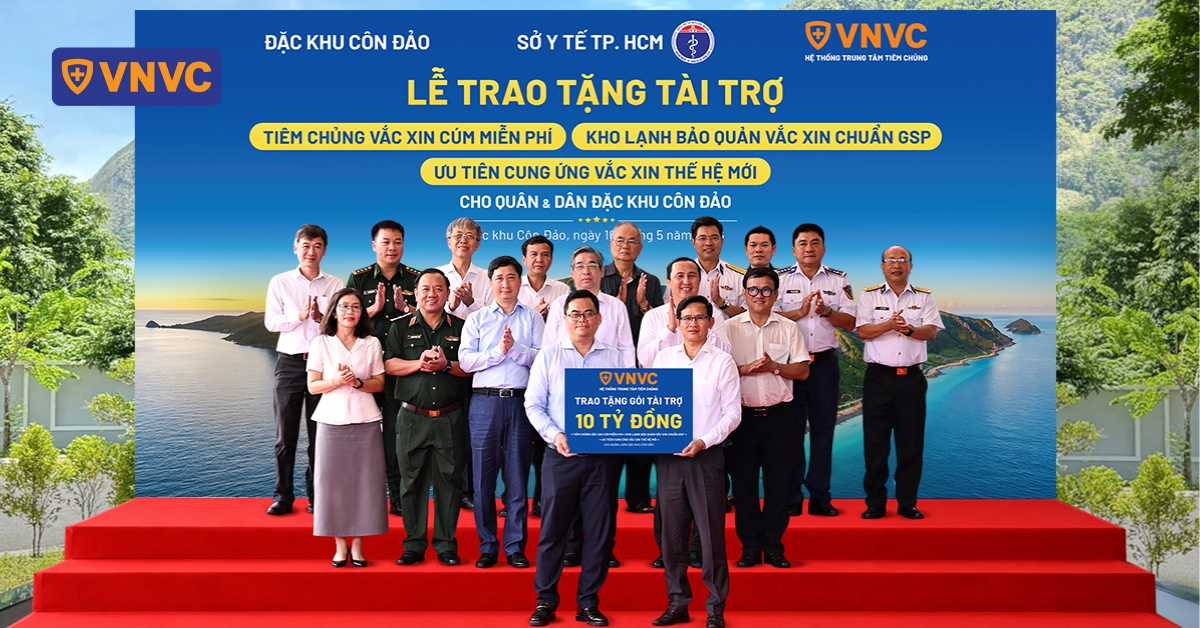
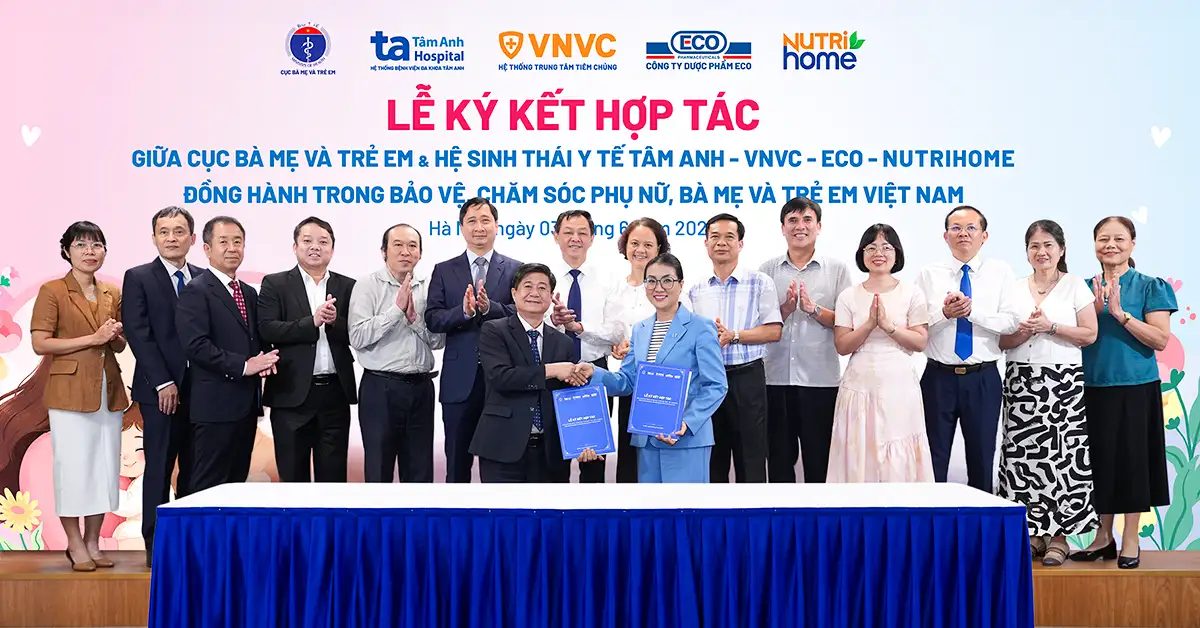
The Tam Anh – VNVC Healthcare Ecosystem signs a cooperation agreement with the Administration of Maternal and Children’s Affairs (Ministry of Health) to strengthen comprehensive health protection for Vietnamese women and children
On June 3, 2026, in Hanoi, the Administration of Maternal and Children's Affairs (Ministry of Health) and the Healthcare Ecosystem comprising Tam Anh General Hospital, VNVC Vaccination...