VNVC Promptly Administers Nearly 40,000 Meningococcal Vaccine Doses in Four Days, Scaling Up Across Its Entire Network to Meet Disease Prevention Needs

Amid successive clusters of meningococcal cases at schools in Ho Chi Minh City, which have already resulted in a student’s death, demand for preventive vaccination has risen markedly. In just four days (October 16–19), nearly 300 VNVC centers nationwide worked to administer nearly 40,000 meningococcal vaccine doses, three times as many as in the same period last year. The nearly 80 centers in Ho Chi Minh City alone recorded nearly 15,000 doses, 125 times as many as in the same period last year.
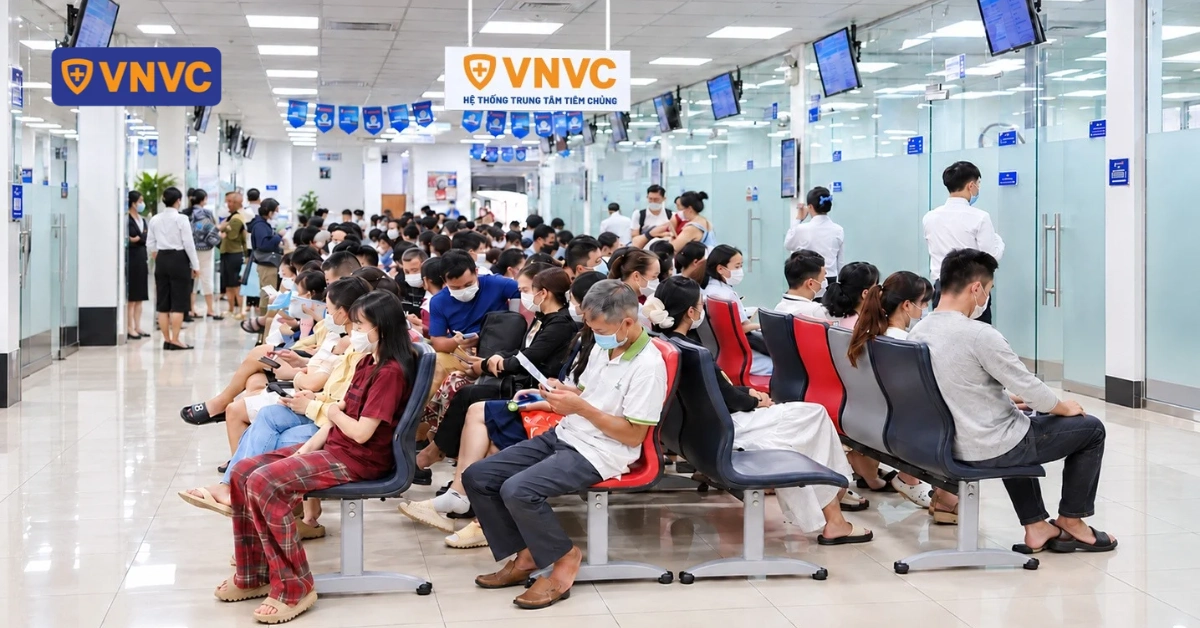
To ensure vaccination safety, VNVC has urgently mobilized a workforce of more than 12,000 doctors, nurses, and staff across its entire network, proactively securing large supplies of genuine, high-quality vaccines while also strictly adhering to quality assurance procedures.
VNVC has also committed to not raising vaccine prices as demand surges and, at the same time, has rolled out preferential policies to help families access vaccination conveniently and in a timely manner, quickly protecting children and people at high risk.
VNVC Ensures a Full Range of Meningococcal Vaccines for Disease Prevention
Dr. Bach Thi Chinh, Specialist Level I, Medical Director of the VNVC Vaccination Center System, said that children accounted for about 70% of meningococcal vaccinations in this round. Notably, many families brought five to seven members at once, from young children and adolescents to adults and older adults, to VNVC for consultation with doctors. This shows that the community is not only focusing on school-age children but also paying close attention to protecting the health of the whole family, especially high-risk groups such as older adults and people with underlying conditions.
According to information released by the Pasteur Institute in Ho Chi Minh City on October 19, 42 cases of meningococcal disease, including seven deaths, were recorded in the southern region in the first 10 months of 2026. Ho Chi Minh City accounted for more than 57% of the region’s cases; the 11–15 age group made up the highest proportion, at 28.6%. In particular, three outbreaks have been recorded at schools and communal living facilities in An Giang, Ca Mau, and Ho Chi Minh City. The most recent cluster, involving four cases, occurred at Hai Ba Trung Lower Secondary School in Ho Chi Minh City; one of the four, a 12-year-old student, died as a result of rapid disease progression, septic shock, and multiple organ failure.
In response to the sudden surge in demand for meningococcal vaccination, VNVC has urgently coordinated vaccine supplies, strengthened staffing, provided services through the midday period, and reduced waiting times, while strictly maintaining safe vaccination procedures across its entire network.
Dr. Chinh said that meningococcal disease is caused by many serogroups, the most common of which are the five serogroups A, B, C, Y, and W. In addition to serogroup B, Vietnam has also recorded cases caused by other serogroups. For example, in February 2025, a 24-year-old man died of fulminant meningococcal septic shock, and the causative serogroup was identified as W.
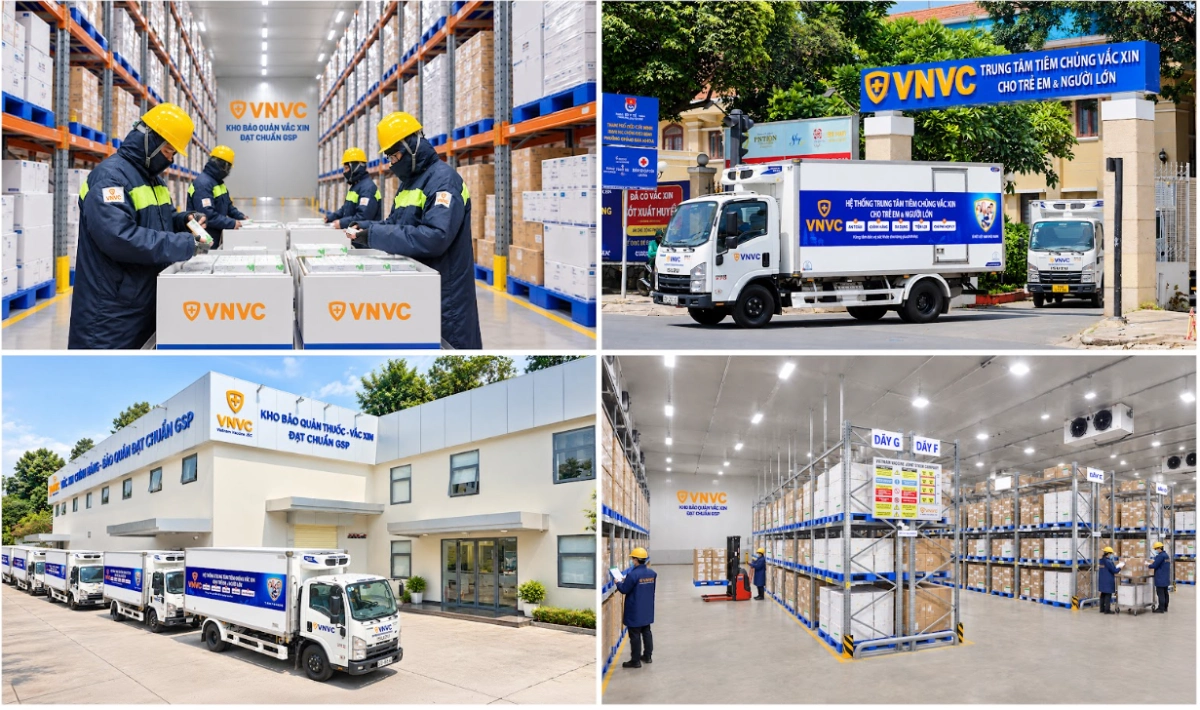
VNVC currently offers a full range of vaccines against the five disease-causing meningococcal serogroups A, B, C, Y, and W. These include a next-generation serogroup B vaccine given to people aged 2 months to 50 years; next-generation serogroup ACYW vaccines given to people aged 6 weeks and older, including adults; and a meningococcal serogroup B and C (BC) vaccine intended for people aged 6 months to 45 years.
People need to receive the full range of vaccines against the five disease-causing meningococcal serogroups for comprehensive protection. Meningococcal B and ACYW vaccines can be given at the same visit at two different injection sites and together with other vaccines, helping people complete their vaccination schedules conveniently and gain early protection against the disease.
“People who have previously received the meningococcal BC vaccine still need to receive serogroup B and ACYW vaccines as well, because these vaccines differ in composition and scope of protection. Parents need to proactively bring their children for consultation and have them vaccinated fully and on schedule so that the body has time to develop immunity over a period of about 14 days, rather than waiting until cases appear before taking preventive action,” Dr. Chinh advised.
At VNVC Dong Thanh in Ho Chi Minh City, Ms. Thanh Minh, 42, brought her two children, in fifth and ninth grade, to be vaccinated against meningococcal serogroups B and ACYW after learning that a student had died of meningococcal disease. She said the school had also sent a notice advising parents to monitor students’ health, recognize unusual signs, and proactively take preventive measures.
“My two children spend the whole day at school, so I was very worried when I heard news of students contracting the disease and even dying. Before coming, I was also afraid that the sharp rise in demand would leave the center short of vaccines, but when I brought my children in, they still received a doctor’s consultation and were fully vaccinated. Our family has been getting vaccinated at VNVC for many years, so we trust its genuine vaccine supply and safe vaccination procedures,” Ms. Minh said.
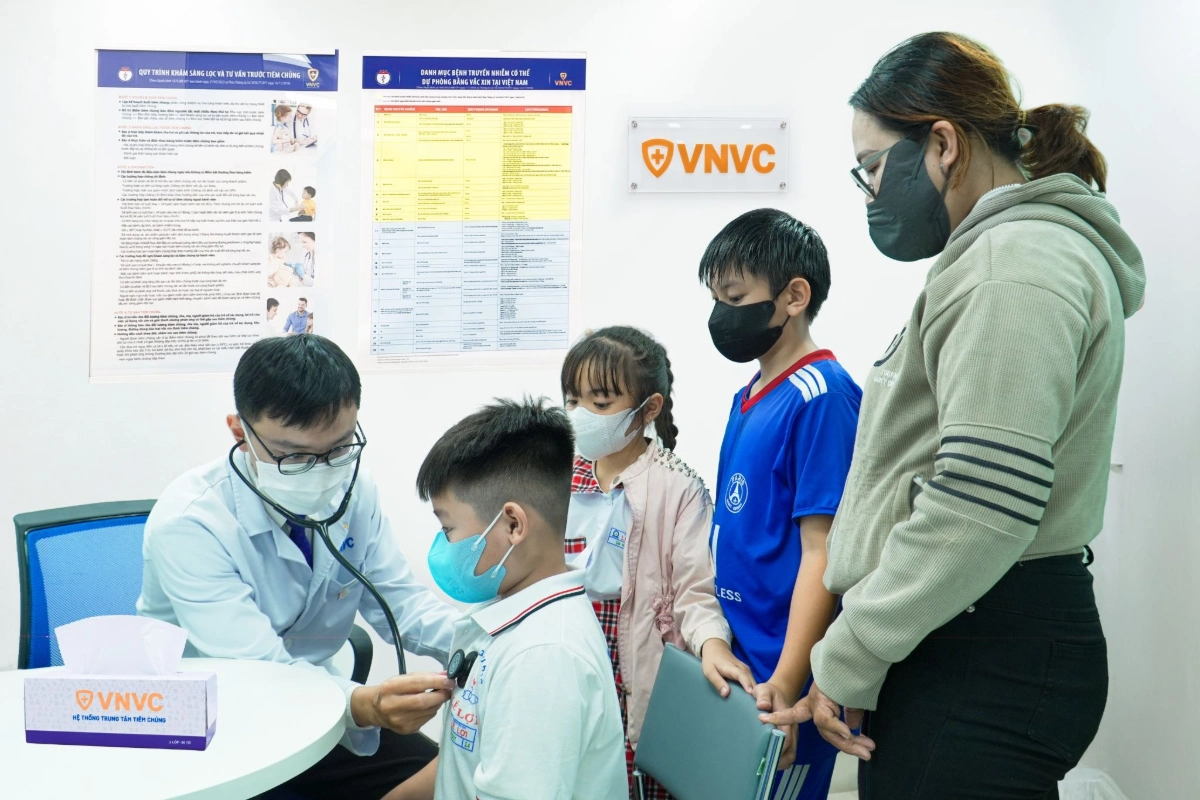
Demand for vaccination has risen not only in Ho Chi Minh City but also in other localities. At VNVC Truong Chinh in Hanoi, Mr. Thanh Trung brought his two children to receive meningococcal serogroup B and ACYW vaccines, while also proactively getting vaccinated himself. He said he plans to bring his parents, now 70 and 75, to VNVC next for a doctor’s consultation on the vaccines they need. Both are being treated for chronic conditions such as hypertension, diabetes, and arthritis, so the family is particularly concerned about preventing dangerous infectious diseases.
“I looked into it and learned that some people carry meningococcal bacteria in their throat without showing any symptoms. My parents mostly stay at home, but the kids go to school and the adults go to work, coming into contact with many people, so we could still bring germs home. I want the whole family, not just my two children, to have their vaccination history checked by a doctor and receive a full consultation. VNVC has many years of experience in vaccination and regularly updates its range with new vaccines, so my family trusts VNVC and chooses it,” Mr. Trung said.
“Just one case of meningococcal disease is more than enough”
Nguyen An Nghia, MD, PhD, Deputy Head of the Department of Infectious Diseases and Neurology at Children’s Hospital 1 (Ho Chi Minh City), warned that invasive meningococcal disease is one of the bacterial infections capable of rapid and dangerous progression. In its fulminant form, patients can become critically ill and die within 24 hours of symptom onset. Some patients with fulminant septicemia can die after just six to eight hours if the condition is not detected, given emergency care, and treated in time.
According to Dr. Nghia, when the bacteria enter the bloodstream, they trigger a series of inflammatory reactions, and patients can rapidly develop respiratory failure, kidney failure, meningitis, bleeding under the skin, vascular necrosis, and many other life-threatening complications. In particular, early symptoms such as fever, headache, nausea, fatigue, or body aches are very easily mistaken for common infections. The disease’s characteristic hemorrhagic rash may appear late or be unclear in the early stages, making it difficult for patients and their families to recognize how dangerous the condition is and get to a medical facility in time.
To illustrate how devastating the disease is, Dr. Nghia cited the case of an 8.5-month-old infant previously treated at Children’s Hospital 1 for meningococcal septicemia and meningitis. About 10 hours before admission, the infant developed a cough and labored breathing, and the family brought the child to the hospital when a few small hemorrhagic spots appeared on the chest. However, just two to three hours after admission, the spots spread widely and progressed into patches of necrotic rash, and the infant developed respiratory failure. Despite intensive treatment with antibiotics, anti-shock medication, mechanical ventilation, and many advanced intensive care measures, the infant still suffered severe consequences, having to undergo amputation of both legs and the removal of several finger segments at the joints.
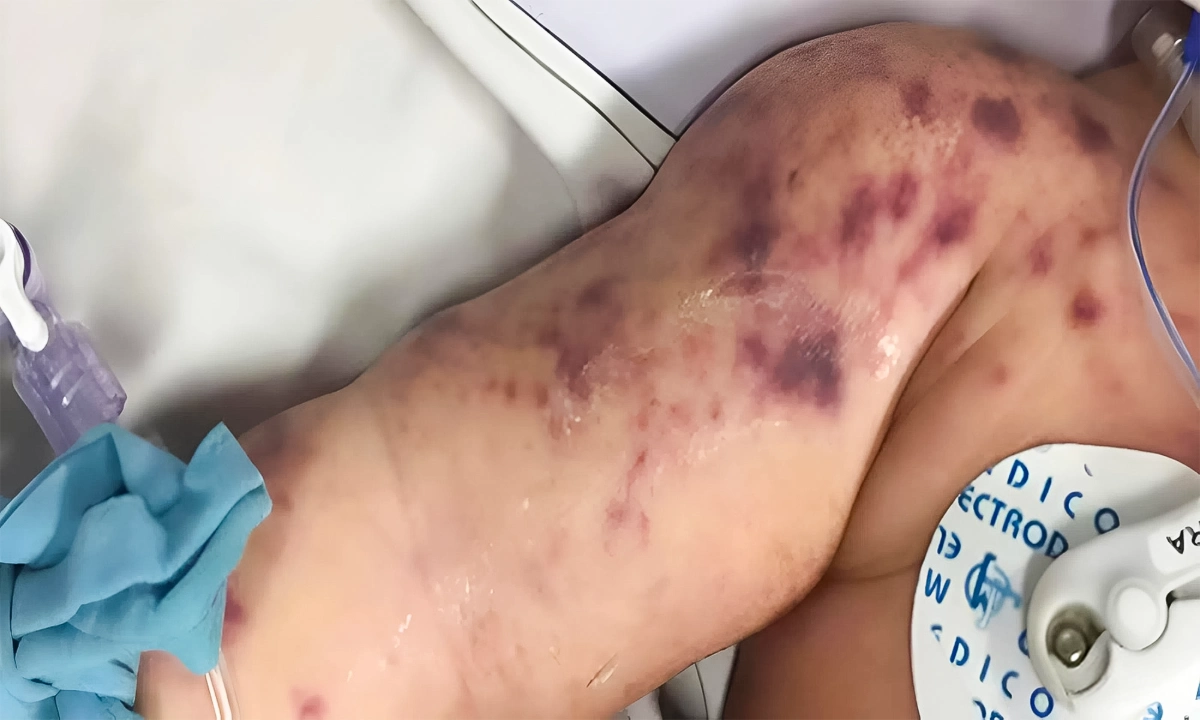
“A severe case of meningococcal disease may require the urgent coordination of an entire intensive care team, along with specialized equipment and personnel. Not every medical facility has the full resources needed to manage fulminant cases. Even when resources are mobilized to the fullest and treatment is intensive, doctors still cannot guarantee that the patient will survive or that long-term complications will be fully prevented. Treatment costs can reach hundreds of millions of Vietnamese dong, not to mention the burden of care and rehabilitation after discharge. Just one case is more than enough,” Dr. Nghia said.
Meningococcal bacteria are transmitted mainly through respiratory secretions during close contact with someone who is ill or a carrier of the bacteria. Young children, adolescents, people living in communal settings, and people with certain conditions that weaken the immune system need to pay particular attention to their risk of contracting the disease. Vaccines are available against the common disease-causing serogroups A, B, C, Y, and W. Full vaccination as prescribed helps reduce the risk of contracting the disease and limit dangerous complications.
Experts advise that when a meningococcal case occurs in a school or the community, close contacts need to be identified quickly so that they can be assessed by health authorities and prescribed preventive antibiotics when necessary, while also monitoring their health as instructed. Parents need to pay particular attention to unusual changes in children, such as refusing to feed, persistent crying and fussiness, being difficult to wake, abnormal breathing, a hemorrhagic rash on the skin, severe headache, and sensitivity to light. In addition, people need to proactively review their vaccination history and catch up on any missing vaccines for comprehensive protection, alongside practicing personal hygiene, not sharing items that come into contact with saliva, and limiting close contact with anyone suspected of having the disease.


OTHER ARTICLES
More Than 100,000 Vietnamese Children Vaccinated Against Hand, Foot, and Mouth Disease at VNVC Two Weeks Into Rollout
The VNVC Vaccination Center System began administering Vietnam’s first hand, foot, and mouth disease vaccine on September 25, rapidly making vaccination available to children nationwide through its...

VNVC Vaccine and Biological Manufacturing Plant signs contract to purchase one of the world’s most advanced vaccine manufacturing lines
On February 24 in Hanoi — In the presence of Deputy Minister of Health Nguyen Tri Thuc and Deputy Minister of Science and Technology Bui Hoang Phuong,...
VNVC Commemorates COVID-19 Victims at the “Teardrop” Monument on the 5th Anniversary of Bringing the First COVID-19 Vaccines to Vietnam
VNVC held a floral offering ceremony at the "Teardrop" Monument to commemorate people, officers, soldiers, and frontline forces who lost their lives to COVID-19, and to remind...

VNVC is a leading vaccination system in Southeast Asia
On April 18 in Singapore, the VNVC Vaccination System was honored as the No. 1 Vaccination System in ASEAN 2026, while also receiving two major awards: “ASEAN...
Understanding the burden of respiratory diseases in young children and comprehensive protection strategies from the earliest days of life
More than 70% of hospitalizations due to respiratory syncytial virus (RSV) occur within the first 6 months of life; pneumococcus accounts for approximately 50% of deaths from...


The Tam Anh – VNVC Healthcare Ecosystem signs a cooperation agreement with the Administration of Maternal and Children’s Affairs (Ministry of Health) to strengthen comprehensive health protection for Vietnamese women and children
On June 3, 2026, in Hanoi, the Administration of Maternal and Children's Affairs (Ministry of Health) and the Healthcare Ecosystem comprising Tam Anh General Hospital, VNVC Vaccination...