VNVC and MSD announce collaboration plan on vaccine technology transfer and manufacturing

On November 18, 2026, at the Ministry of Health, in the presence of leaders of the Ministries of Health, Science and Technology, and Foreign Affairs, Vietnam Vaccine JSC (VNVC) and U.S. pharmaceutical company MSD exchanged documents announcing a plan for collaboration on technology transfer, manufacturing, and localization of strategic vaccine technology products.
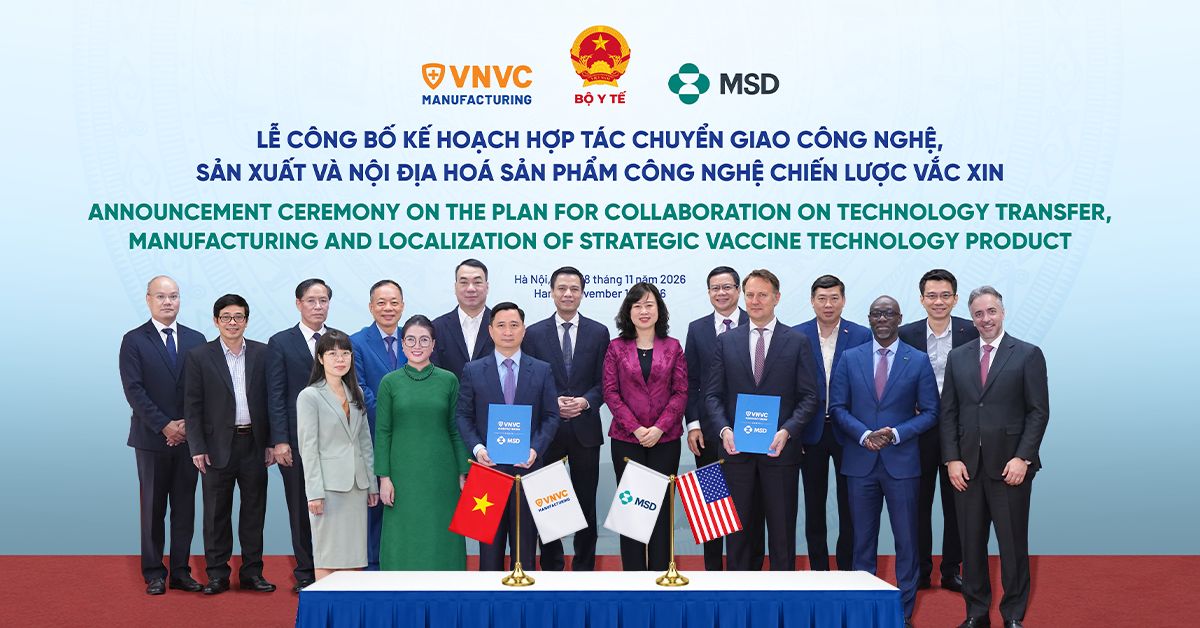
The event marks the next important milestone in the strategic healthcare and pharmaceutical collaboration between VNVC and MSD, as reflected in a strategic collaboration plan between two leading companies, one from each country, built on the principle of mutual development toward the goals of strengthening disease prevention and healthcare capacity for the people and supporting Vietnam’s national public health programs and goals.
The collaboration plan contributes to realizing the guidelines and strategic directions of the Party and State set out in the Politburo’s Resolutions No. 57, 68, and 72, on breakthroughs in the development of science, technology, and innovation; promoting the role of the private economy; and improving the quality of people’s healthcare, respectively, as well as in the Prime Minister’s Decision No. 21 on strategic technologies.
Speaking at the event, Minister of Health Dao Hong Lan affirmed that the Party and State of Vietnam have always regarded protecting, caring for, and improving the people’s health as a top priority. The health sector is focusing on promoting research, receiving technology transfer, and progressively mastering technologies for manufacturing strategic technology products to strengthen self-reliance and ensure national health security.
The Minister commended MSD and VNVC, two leading companies in the medical, pharmaceutical, and vaccine sectors of their respective countries, for their efforts to push toward strategic collaboration on advanced vaccine manufacturing technology transfer and human resource development, helping Vietnam progressively strengthen its vaccine manufacturing capacity and contributing to achieving the goal of self-sufficiency in strategic technologies and to ensuring national health security.
The Minister said the Ministry of Health will continue to refine and implement mechanisms and policies on disease prevention, immunization, and the development of the pharmaceutical and vaccine industries; promote scientific and technological research and application; and strengthen the management of vaccine quality, safety, and effectiveness. At the same time, the ministry will work with the Ministry of Science and Technology, the Ministry of Foreign Affairs, and other relevant agencies to remove obstacles and create a favorable and transparent environment for investment and cooperation in compliance with regulations, while encouraging capable enterprises to take part in research, investment, and international cooperation, and to receive and progressively master advanced vaccine manufacturing technologies in Vietnam.
Deputy Minister of Science and Technology Le Xuan Dinh commended the initiative and pioneering spirit of VNVC, which has made a strong shift from operating a large-scale, modern, and proactive vaccination system to researching and manufacturing vaccines of international quality. VNVC’s collaboration plans with international partners lay a solid foundation for Vietnam to receive, transfer, and master advanced technologies, proactively secure supply, lower the cost of vaccines, and work toward exports.
For the collaboration to be effective, the Deputy Minister proposed that the parties focus on three key areas. First, they should strengthen the three-way linkage, in which the State sets the direction through mechanisms and policies; academia conducts research and masters technology; and businesses invest in production and commercialization while upholding international standards, biosafety, and cybersecurity. Second, they should research and master core technologies such as mRNA and lipid nanoparticles, working toward manufacturing vaccines to prevent infectious diseases and treat cancer. Third, they should work closely with the relevant units of the Ministry of Science and Technology to develop national standards and technical regulations, grounded in practice, for strategic technology product lines, and to protect intellectual property rights, build intellectual assets, and foster innovation and sustainable development for Vietnam’s biomedical sector.
“The Ministry of Science and Technology is committed to always standing ready to provide maximum support in terms of mechanisms, policies, and legal procedures, creating favorable conditions to promote technology transfer cooperation and strengthen Vietnam’s self-reliance in vaccines,” Deputy Minister Le Xuan Dinh emphasized.
Vaccine manufacturing is a particularly complex field that requires substantial investment, advanced technology, highly qualified personnel, and rigorous quality control systems. Therefore, VNVC’s selection by a world-leading pharmaceutical company such as MSD as its partner in working toward the transfer of certain manufacturing technologies for a vaccine currently marketed worldwide is an important step forward in the capabilities of Vietnam’s pharmaceutical industry. The collaboration plan will play a part in helping Vietnam progressively achieve self-sufficiency in strategic technology and proactively secure supply, while contributing to Vietnam’s national public health programs and goals.
Dr. Marc Gailhardou, President of MSD’s Intercontinental Region, said: “With more than 130 years of global experience and expertise, MSD expects to contribute the company’s strengths to this proposed collaboration. We also highly value VNVC’s leading role in the domestic market, its commitment to investment, and its long-term vision. By combining the strengths of both sides, we hope to contribute to advancing disease prevention efforts and to create sustainable value for the health of the Vietnamese people.”
Ngo Chi Dung, Chairman and General Director of VNVC, said that for nearly 10 years, VNVC has worked closely and made concerted efforts with MSD to bring many vaccines to children and adults in Vietnam. Building on these meaningful successes, VNVC and MSD have decided to move toward a sustainable collaboration strategy through a plan to transfer certain vaccine manufacturing technologies to support Vietnam’s national public health programs and goals, helping Vietnam progressively master advanced vaccine manufacturing technology and contributing to realizing the Party and State’s major policy on developing science and technology and achieving healthcare self-sufficiency.
“We regard vaccine manufacturing as a long-term investment strategy that requires substantial resources, advanced technology, a high-quality workforce, and a quality management system that meets international standards. With that determination, VNVC has invested in building a modern vaccine manufacturing plant, preparing its technological foundation, and expanding collaboration with the world’s leading corporations, ready for the roadmap to receive and progressively master advanced vaccine manufacturing technologies.
“The collaboration plan with MSD marks an important step forward in this strategy, opening up opportunities to access manufacturing technology and international quality management experience, and progressively bringing Vietnam deeper into the global vaccine industry value chain, while contributing to proactively securing supply, expanding opportunities for people to access vaccines, and ensuring national health security,” Mr. Dung emphasized.
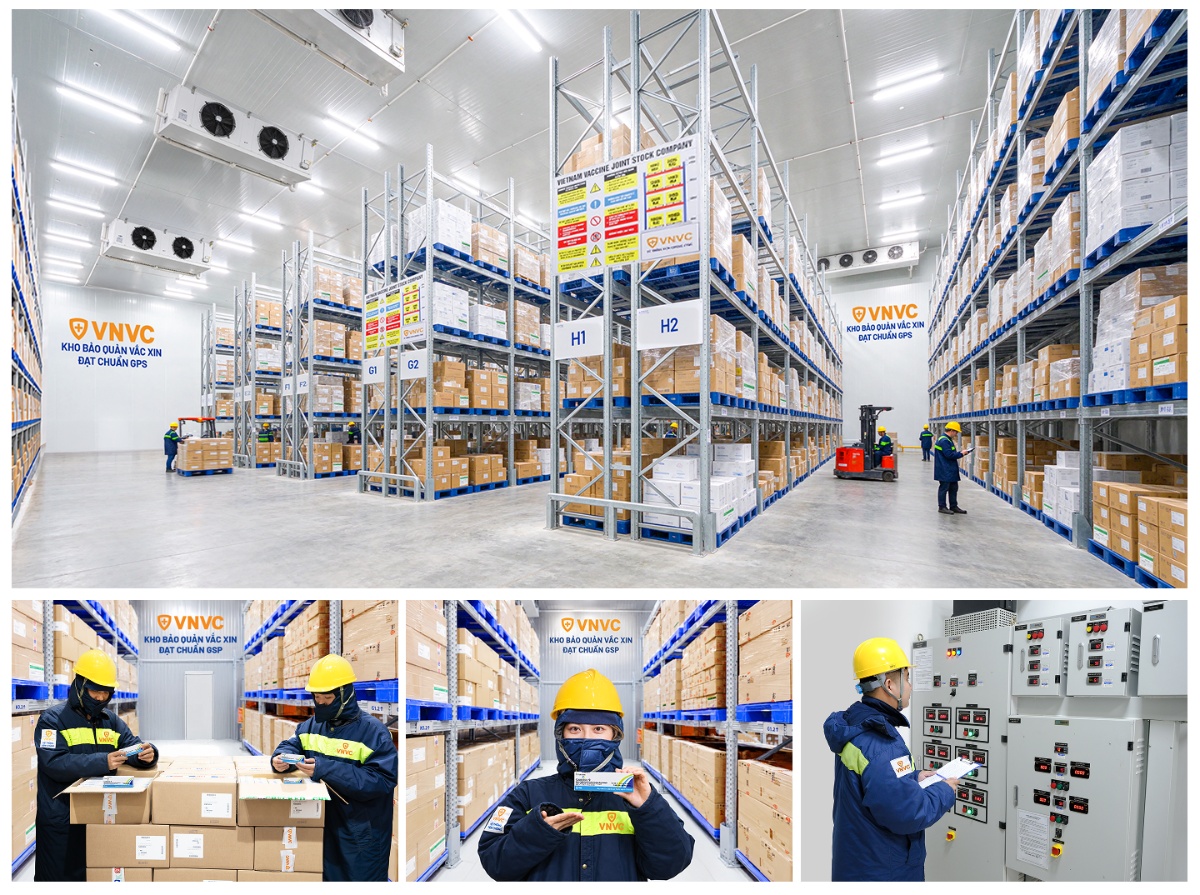
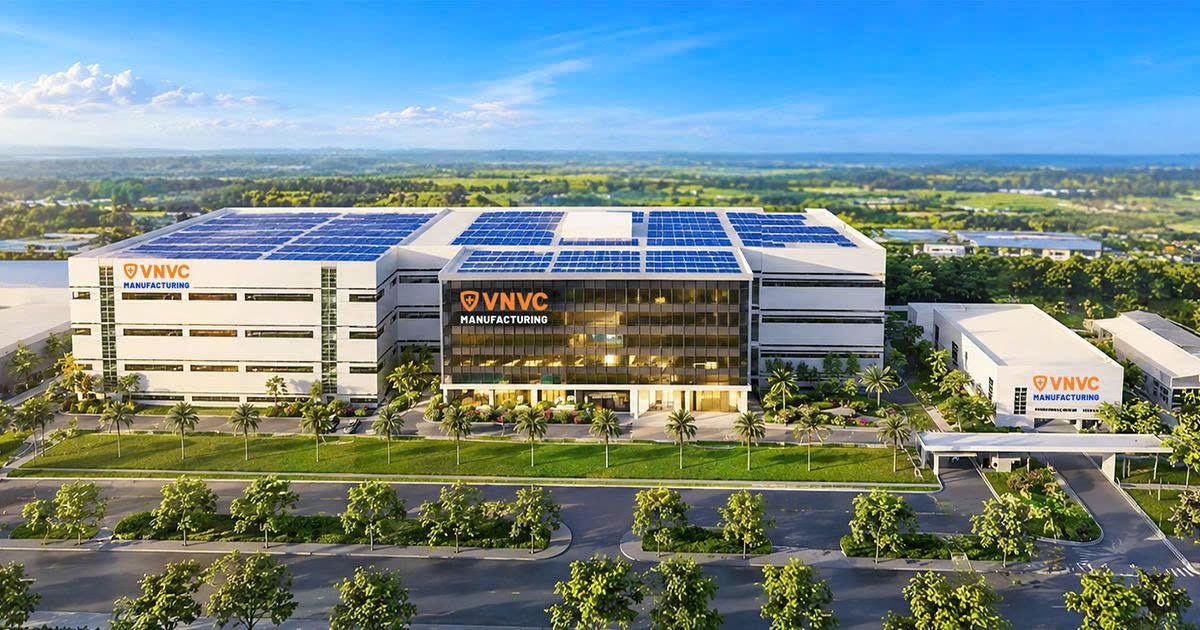
To be ready to receive the transfer of manufacturing technology for advanced vaccines, VNVC has invested in building a modern vaccine and biological plant featuring world-leading equipment, aiming to meet international WHO-GMP, EU-GMP, and FDA-cGMP standards. Phase 1 involves a planned investment of nearly VND 3 trillion, with vaccine production expected to start in 2028 and commercial products from 2029.
The plant incorporates modern technologies such as robotics, a contact-free aseptic material transfer system (No Touch Transfer), and steam sterilization technology, helping limit direct human intervention, reduce the risk of cross-contamination, and improve manufacturing precision. With a design capacity of 120 million doses per year, the plant will be capable of producing a range of finished dosage forms, including liquid vials, lyophilized vials, syringes, and injection pens, aiming to meet domestic and export demand.
That afternoon, Deputy Prime Minister Pham Thi Thanh Tra received leaders of MSD and VNVC and was briefed on the collaboration plan on technology transfer, manufacturing, and localization of vaccines in Vietnam. At the meeting, the Deputy Prime Minister spoke highly of MSD’s contributions over its 30 years of partnership with Vietnam, particularly in preventive healthcare and the supply of advanced medicines and vaccines, as well as its effective collaboration with VNVC, contributing to protecting and caring for the people’s health.
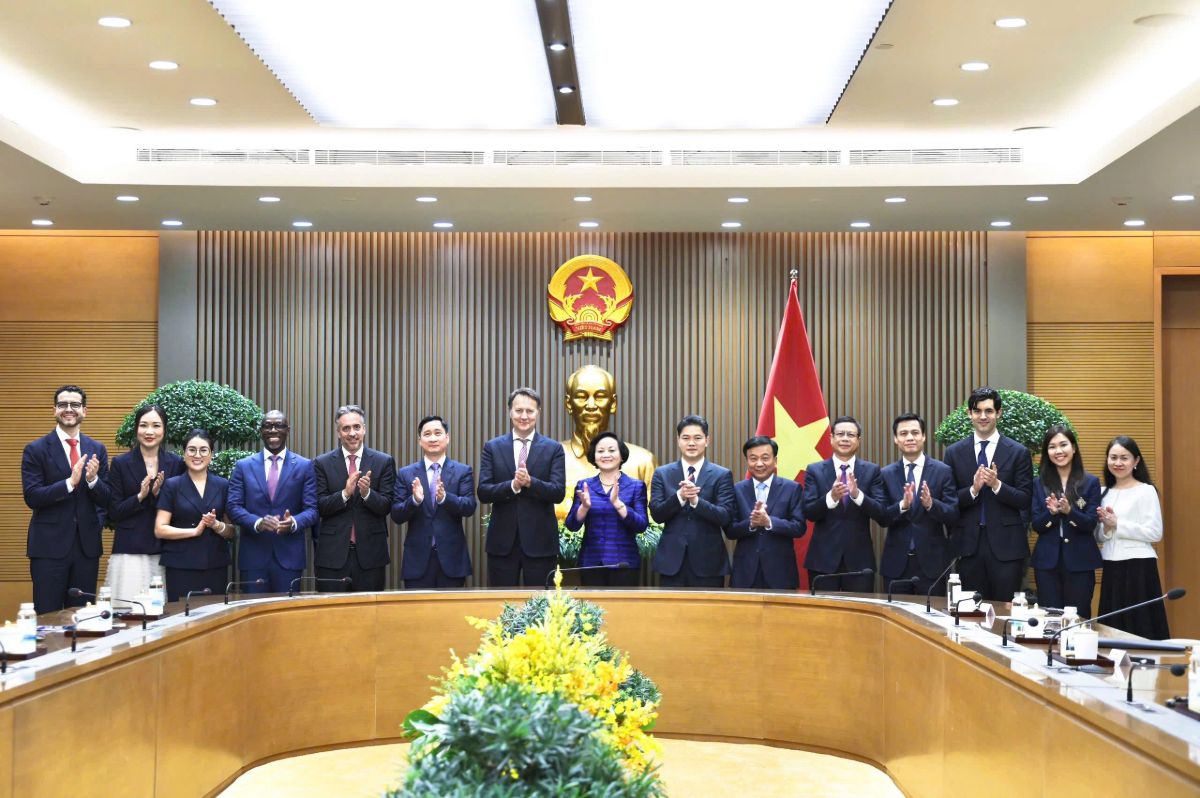
Welcoming the collaboration plan between the two companies, the Deputy Prime Minister emphasized her wish for the transfer of core technologies, with a view to mastering technology and developing products, rather than stopping at manufacturing and packaging. She asked MSD and VNVC to promptly translate the collaboration plan into concrete action, while tasking the Ministry of Health with working with the Ministry of Science and Technology and relevant units to resolve procedural difficulties and obstacles and accelerate implementation in accordance with the law.
The Deputy Prime Minister encouraged MSD to explore investing in the manufacturing of high-tech medicines and vaccines in Vietnam with a view to serving the domestic and regional markets. Describing VNVC as “pioneering, dedicated, and very dynamic,” she expressed her hope that the company will continue to step up international cooperation, contribute to the development of the vaccine industry, strengthen self-reliance, and promote preventive healthcare.


OTHER ARTICLES
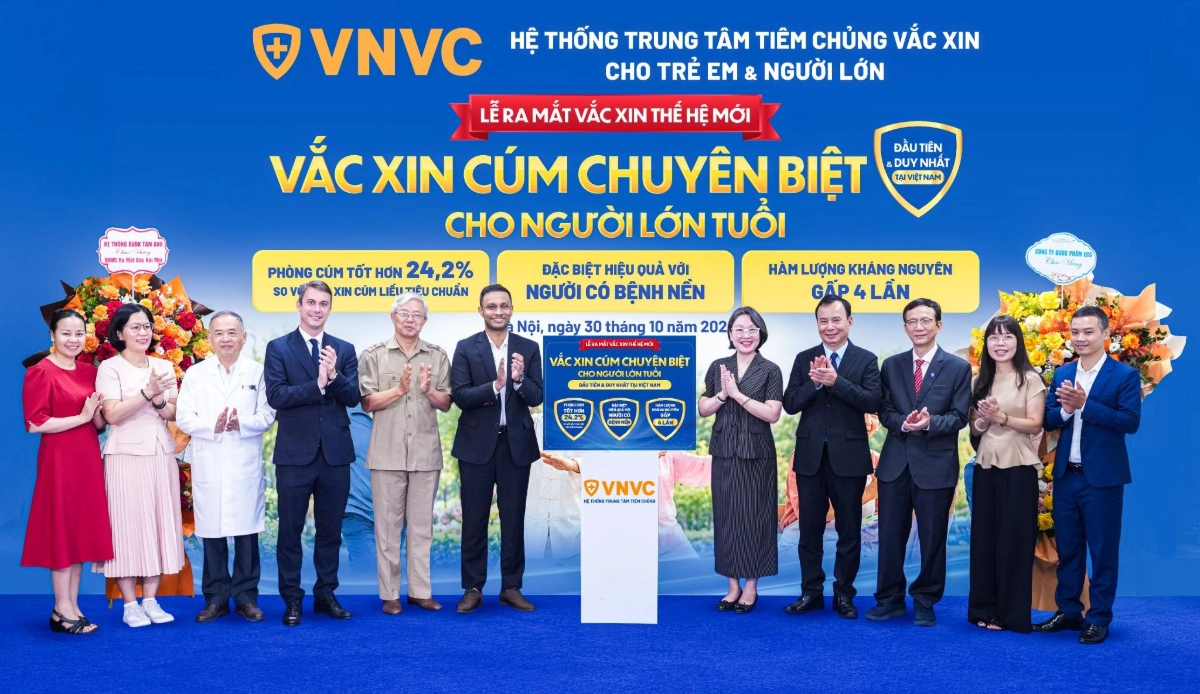
Vietnam gets its first specialized influenza vaccine for older adults and people with underlying conditions, rolled out exclusively at VNVC
Just two days after launching Vietnam's first new-technology nasal spray influenza vaccine for children, the VNVC Vaccination Center System on October 30, 2026, went on to become...
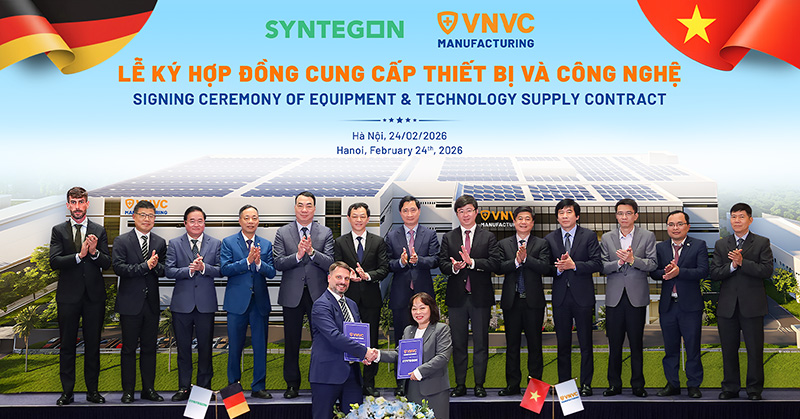
VNVC Vaccine and Biological Manufacturing Plant signs contract to purchase one of the world’s most advanced vaccine manufacturing lines
On February 24 in Hanoi — In the presence of Deputy Minister of Health Nguyen Tri Thuc and Deputy Minister of Science and Technology Bui Hoang Phuong,...
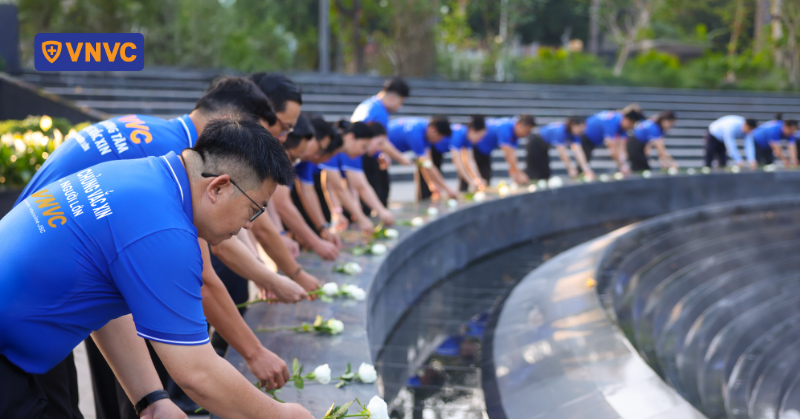
VNVC Commemorates COVID-19 Victims at the “Teardrop” Monument on the 5th Anniversary of Bringing the First COVID-19 Vaccines to Vietnam
VNVC held a floral offering ceremony at the "Teardrop" Monument to commemorate people, officers, soldiers, and frontline forces who lost their lives to COVID-19, and to remind...

VNVC is a leading vaccination system in Southeast Asia
On April 18 in Singapore, the VNVC Vaccination System was honored as the No. 1 Vaccination System in ASEAN 2026, while also receiving two major awards: “ASEAN...
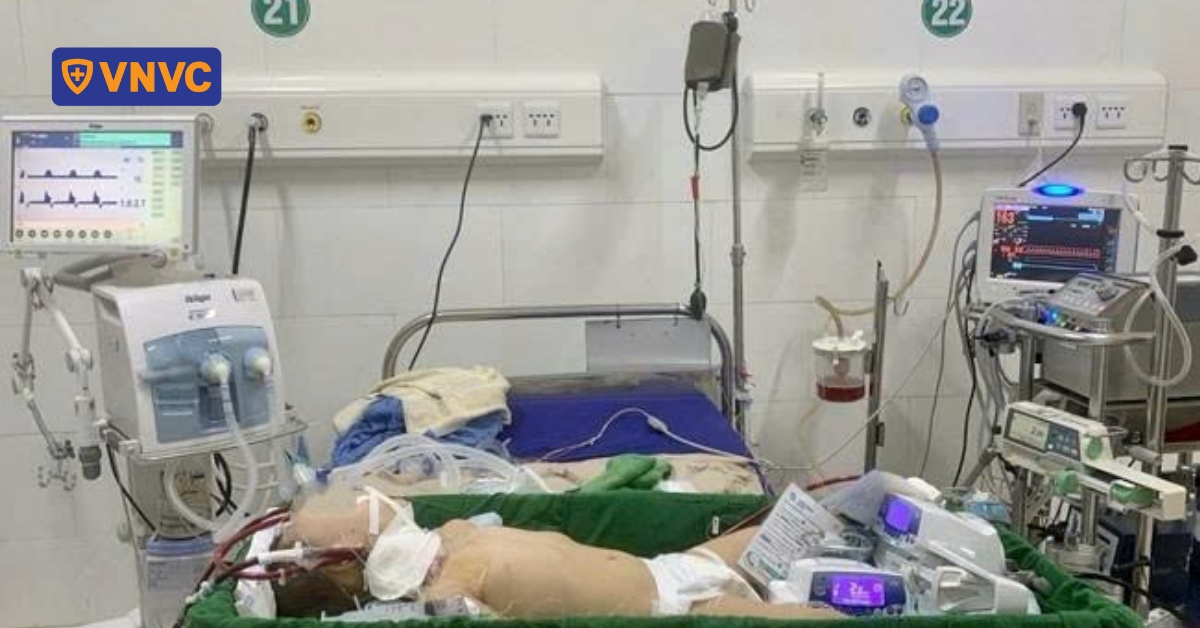
Understanding the burden of respiratory diseases in young children and comprehensive protection strategies from the earliest days of life
More than 70% of hospitalizations due to respiratory syncytial virus (RSV) occur within the first 6 months of life; pneumococcus accounts for approximately 50% of deaths from...
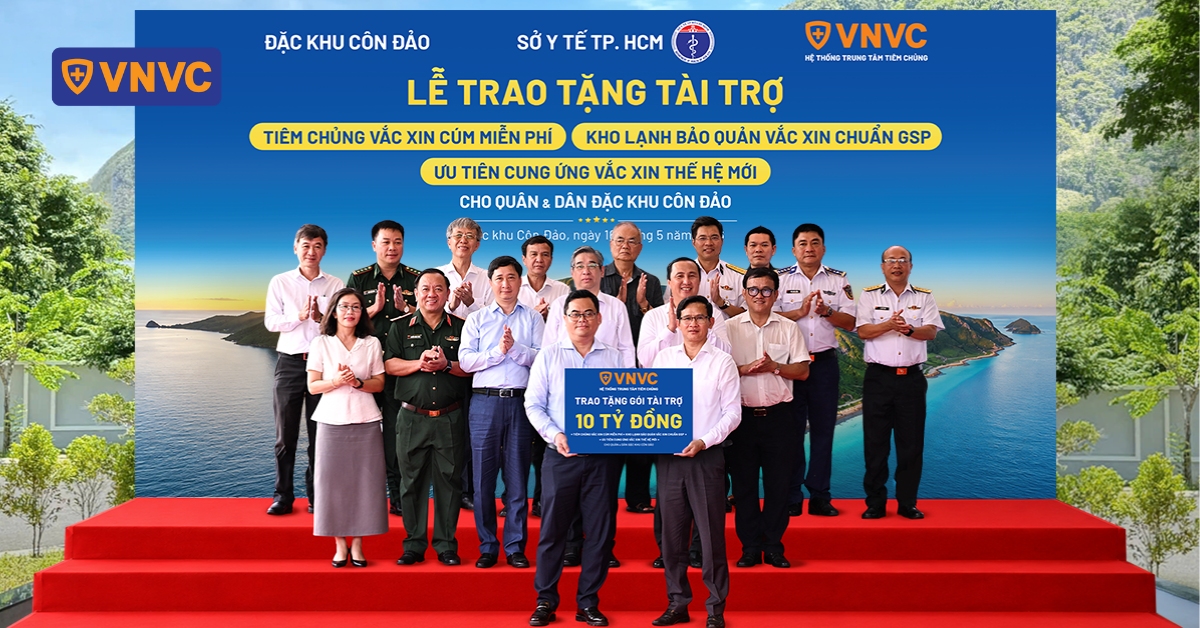
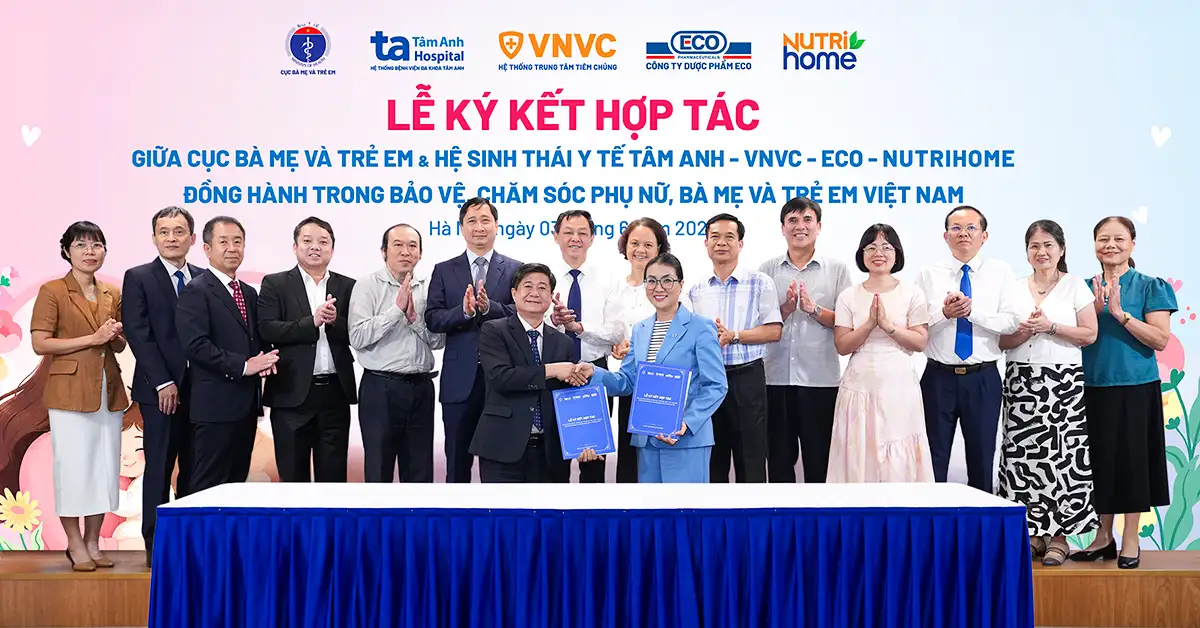
The Tam Anh – VNVC Healthcare Ecosystem signs a cooperation agreement with the Administration of Maternal and Children’s Affairs (Ministry of Health) to strengthen comprehensive health protection for Vietnamese women and children
On June 3, 2026, in Hanoi, the Administration of Maternal and Children's Affairs (Ministry of Health) and the Healthcare Ecosystem comprising Tam Anh General Hospital, VNVC Vaccination...