
Verified: EV71 hand, foot, and mouth disease vaccine is safe and effective for Vietnamese children

EV71 is a highly neurotropic causative agent of hand, foot, and mouth disease (HFMD) that can readily cause severe complications such as encephalitis, brainstem encephalitis, aseptic meningitis, and acute flaccid paralysis; it may even cause multiple-organ damage leading to acute pulmonary edema, respiratory failure, circulatory failure, and death. Proactive vaccination, combined with personal hygiene and hygiene in children’s living and learning environments, is a key measure for preventing the risk of disease, reducing the disease burden, and easing pressure on the healthcare system.
In Vietnam, the vaccine against EV71-associated HFMD has been approved by the Ministry of Health for use in children aged 2 months to under 6 years. The vaccine is supported by Phase III clinical trial evidence in Vietnamese children, demonstrating protective efficacy as high as 96.8%, together with a favorable safety profile.
These findings were highlighted by leading Vietnamese and international medical experts in infectious diseases, pediatrics, and vaccination at the scientific symposium “A New Era in the Prevention of EV71-Associated Hand, Foot, and Mouth Disease – From Scientific Evidence to Action: Protecting Vietnamese Children,” held in Ho Chi Minh City and Hanoi on September 21–22, 2026. The program was organized by the VNVC Vaccination Center System in collaboration with Tam Anh General Hospital, with the support of Substipharm Biologics (Switzerland).
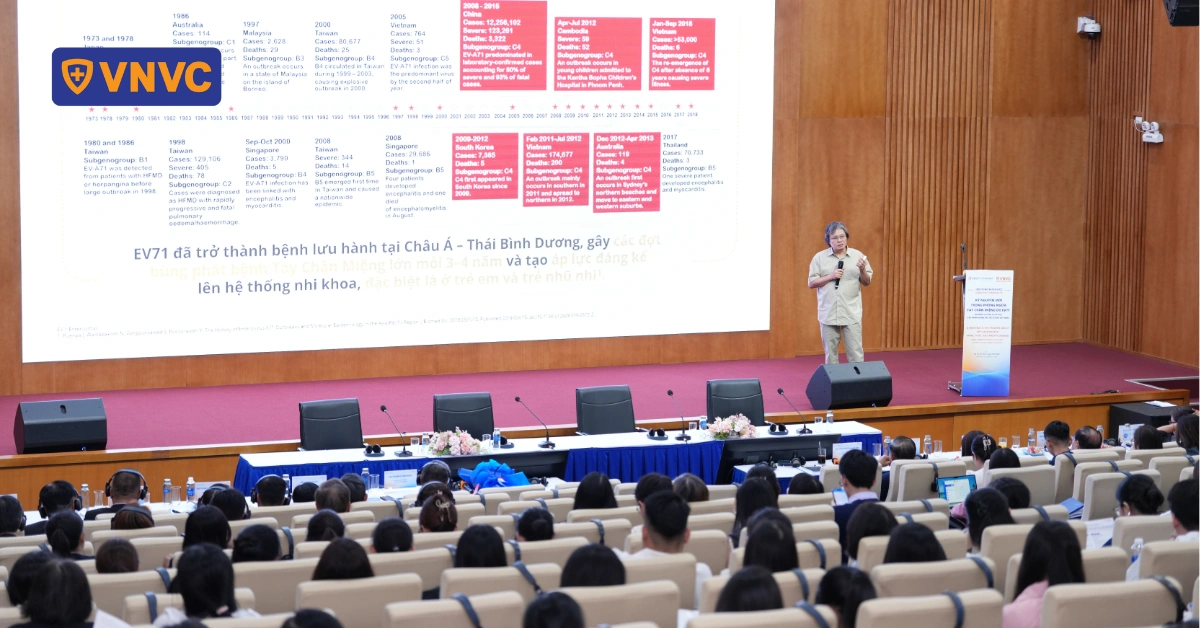
Hand, foot, and mouth disease remains a notable burden in young children
Hand, foot, and mouth disease is a common acute infectious disease in young children, particularly those under 5 years of age. The disease is caused by multiple types of enteroviruses, with coxsackievirus A16 and enterovirus A71 (EV71) among the common causative agents. Most HFMD patients can recover, but EV71-associated cases are of particular concern because this group of viruses can be associated with serious neurological complications such as encephalitis, aseptic meningitis, and acute flaccid myelitis; in some cases, complications involving multiple-organ failure, such as heart failure and pulmonary edema, may occur and can even be fatal.
Observations show that HFMD circulates year-round and typically increases seasonally, with one to two peaks each year in many tropical and subtropical regions, including Asia generally and Vietnam in particular. These seasonal fluctuations are influenced by temperature, humidity, and children’s living and learning conditions, which create favorable conditions for viral transmission and cause case numbers to rise periodically each year. In addition to this seasonal cycle, major HFMD outbreaks also occur cyclically, approximately every 3–4 years, when the numbers of cases and severe cases rise considerably compared with other years; in the years between outbreaks, the disease continues to circulate rather than disappearing.
In Vietnam, large-scale outbreaks were recorded in 2011–2012, when 174,677 cases and more than 200 deaths were reported nationwide. Four years later, high case numbers were again recorded in 2017–2019, with more than 106,000 cases in 2017, more than 135,000 in 2018, and more than 108,000 in 2019. By 2023, approximately four years after the previous outbreak period, more than 180,000 cases and 31 deaths were recorded nationwide. Notably, EV71 was detected in a high proportion of severe and hospitalized cases that year, accounting for approximately 82% of hospitalized HFMD cases and 90.4% of severe cases.
This year, experts have predicted that 2026 could mark the beginning of a new epidemic peak, three years after the most recent outbreak in 2023. However, disease trends in recent years indicate that HFMD is becoming increasingly complex, with the intervals between increases tending to shorten rather than clearly maintaining the 3–4-year cycle seen previously. According to the Viet Nam Administration of Disease Prevention under the Ministry of Health, more than 113,000 HFMD cases had been recorded as of September 2026, a substantial increase compared with the same period in 2025, with 10 deaths reported as of June 2026.

EV71-associated hand, foot, and mouth disease creates a multilayered burden, from individual children, families, and the healthcare system to the economy and society
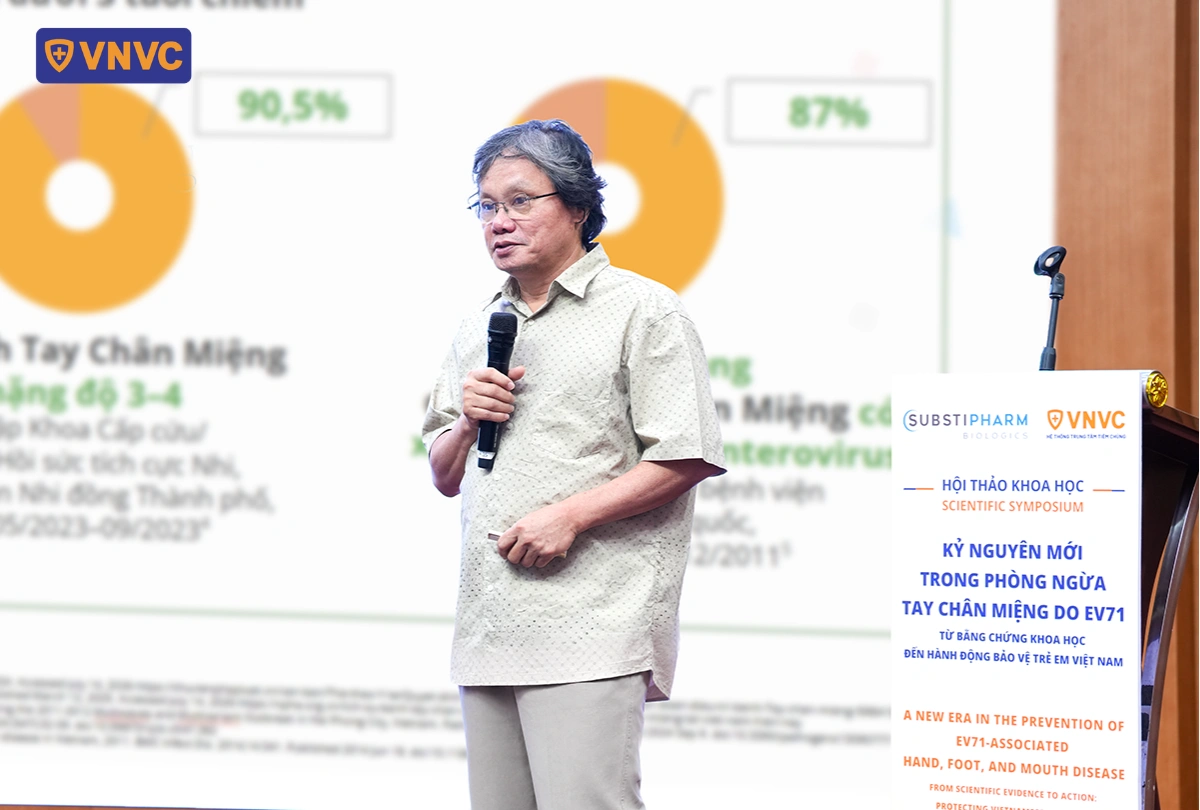
Dr. Truong Huu Khanh, Vice President of the Ho Chi Minh City Infectious Diseases Society and former Head of the Infectious Diseases and Neurology Department at Children’s Hospital 1, said that HFMD is not only common but also particularly transmissible. The causative agent can spread very rapidly through respiratory secretions, saliva, and fluid from blisters; through the gastrointestinal tract via the fecal–oral route following contact with a patient’s stool; or through virus-contaminated objects and surfaces. Children can transmit the disease to one another very quickly in households, daycare centers, kindergartens, and other communal settings; kindergarten settings are a hotspot, accounting for nearly 88% of HFMD outbreaks in some areas.
According to research, EV71 has a higher transmission potential than common respiratory viruses such as influenza, respiratory syncytial virus (RSV), and COVID-19. Research shows that the average household transmission rate of EV71 is 52%, with transmission highest among siblings and close relatives, at rates of up to 84%. Infected adults may be asymptomatic (approximately 53%), becoming a silent source of infection for those around them, especially young children in the household.
Dr. Truong Huu Khanh added that children under 6 months of age have an approximately five-fold higher risk of progressing to severe disease and an approximately 25-fold higher risk of death compared with children aged 6 to under 10 years. In Vietnam, children under 3 years of age accounted for 85–90% of cases, Grade 3–4 severe cases, and deaths during multiple outbreaks (in studies covering 2011–2023). Severe cases may involve encephalitis, meningitis, acute flaccid paralysis, myocarditis, and complications with long-term effects on neurological, respiratory, and motor function, such as dysphagia requiring tube feeding, central hypoventilation requiring tracheostomy and mechanical ventilation, limb weakness/muscle atrophy, seizures, neurodevelopmental delay, cognitive impairment, and behavioral problems such as ADHD (attention-deficit/hyperactivity disorder). The disease affects not only children but also their caregivers.
In addition to its substantial health burden, HFMD also imposes a considerable economic burden on families and society. According to statistics, a severe HFMD case may cost a family approximately USD 1,861 (equivalent to nearly VND 48.8 million), five times the cost of a mild case (approximately VND 10 million). In 2016–2017, the total economic burden associated with HFMD in Vietnam was estimated at approximately USD 90.7 million (equivalent to VND 2.377 trillion), with EV71-associated cases incurring markedly higher costs.
The Ministry of Health’s Guidelines for the Diagnosis and Treatment of Hand, Foot, and Mouth Disease (Decision No. 292/QD-BYT, 2024) affirm that there is currently no specific drug treatment. Existing preventive measures are primarily based on personal and environmental hygiene and patient isolation. Therefore, infection prevention measures remain fundamental, including frequent handwashing with soap, cleaning and disinfecting toys, objects, and frequently touched surfaces, while also limiting close contact with patients.
However, personal and environmental hygiene cannot completely eliminate the risk of transmission. The virus may be present in secretions, blister fluid, and stool; infected individuals do not always show clear symptoms. Children with HFMD may still transmit the virus to other children even before symptoms appear, during the incubation period. In addition, after children recover, the virus may persist and be shed through the throat for approximately two weeks and through stool for a longer period, from 2–4 weeks and occasionally up to 12 weeks. A study of EV71 in southern Vietnam also found that the virus circulated persistently in the community and noted that although hygiene and public health measures are necessary, they may still be unable to completely prevent transmission.
The Ministry of Health also emphasized in Decision No. 292/QD-BYT (2024) that vaccines against the disease are already available internationally. This provides an important basis for Vietnam to gradually gain access to this proactive preventive solution and put it into practice.
Vietnam has its first vaccine against EV71-associated hand, foot, and mouth disease, demonstrating good safety and high efficacy in Vietnamese children
On March 17, 2026, the Drug Administration of Vietnam under the Ministry of Health issued Decision No. 145/QD-QLD concerning the vaccine against EV71-associated HFMD, which was licensed for use in children aged 2 months to under 6 years, marking a new step forward in the proactive prevention of EV71-associated HFMD in Vietnam. Previously, on February 18, 2025, the VNVC Vaccination Center System signed a memorandum of understanding on cooperation with the distributor of the vaccine against EV71-associated HFMD in the Asian market, in an effort to bring the vaccine to Vietnam and provide vaccination for children in the recommended age group nationwide.
Customers who wish to receive the vaccine against EV71-associated HFMD can register here: Hand, foot and mouth disease vaccine registration
Dr. Bach Thi Chinh, MD, Specialist Level I, Medical Director of the VNVC Vaccination Center System, said that there are eight EV71 genotypes that cause HFMD (A, B, C, D, E, F, G, and H). Among these, genotype B (with subgenotypes B4 and B5) and genotype C (with subgenotype C4) are the main causative agents of major outbreaks in countries across East Asia and the Asia-Pacific region, including Vietnam.
The vaccine against EV71-associated HFMD was developed from EV71 subgenotype B4 and underwent preclinical research and multiple phases of clinical trials before being licensed, with cross-protective capacity recorded against EV71 subgenotypes B5 and C4. Notably, the Phase III trial was conducted at multiple healthcare facilities in Taiwan and Vietnam and involved more than 3,000 children aged 2 months to under 6 years (82.9% of whom were Vietnamese). Participants were randomly assigned, and controlled analyses compared the vaccinated group with the placebo group (placebo containing no vaccine).
The study results, published in The Lancet in 2022, demonstrated protective efficacy as high as 96.8% (based on a Poisson regression model). In this study, all 22 recorded cases of EV71-associated HFMD occurred in the unvaccinated group, with no cases recorded in the vaccinated group. The study also found that the proportion of children experiencing at least one adverse event was comparable between the vaccinated and unvaccinated groups, at 56.9% and 55.8%, respectively; most reported reactions were mild and resolved spontaneously after a certain period, without adversely affecting the children’s health.
In addition, the ability to maintain an immune response over an extended period has also been highly regarded by experts. A study conducted from August 2019 to December 2021 in 227 children aged 2 months to under 6 years showed that, by the fifth year, levels of antibodies protecting children against HFMD caused by EV71 subgenotype B4 remained high; cross-protection against B5 and C4a was also maintained at a good level. These data indicate that protective immunity may last at least five years after completion of the vaccination schedule.
Not only has the EV71 HFMD vaccine been evaluated in clinical trials, but it also has real-world implementation data from countries in the region with similar epidemiological conditions, such as Taiwan. According to Prof. Li-Min Huang, MD, former Director of National Taiwan University Children’s Hospital and Honorary President of the Infectious Diseases Society of Taiwan, more than 600,000 doses of the EV71 vaccine had been administered from the start of the program in August 2023 through September 2026, achieving approximately 20% coverage among children aged 2 months to under 6 years. Surveillance data show that EV71 has not been recorded in severe HFMD cases since the program was launched.
Prof. Li-Min Huang added that in Taiwan, health bodies such as the Taiwan Centers for Disease Control (CDC), the Pediatric Infectious Diseases Society of Taiwan, and the Taiwan Society of Neonatology have reached a consensus in recommending that all children aged 2 months to under 6 years receive the EV71 vaccine, regardless of whether they have previously been infected with an enterovirus.
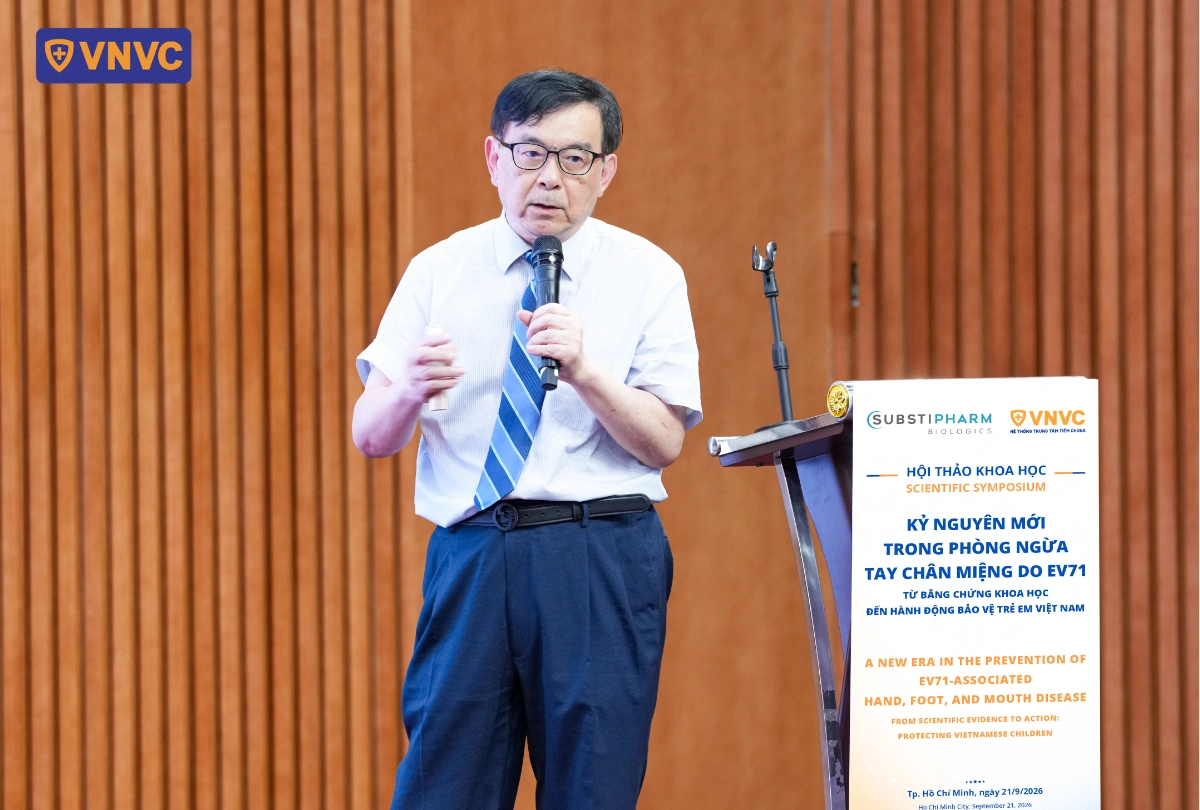
Prof. Nan-Chang Chiu, MD, Chair of the Vaccine Injury Compensation Program of the Taiwan CDC and Executive Director of Taiwan Immunization Vision and Strategy, recommends starting vaccination against EV71-associated HFMD as early as possible within the indicated age range, in order to build early immunity in children during the highest-risk period, which is under 3 years of age and particularly under 6 months, as shown by statistics and studies in Vietnam and other countries in the region. Proactively building immunity early also helps children gain protection before they enter daycare or kindergarten, environments where children have more opportunities for close contact with one another and with infectious agents.
In addition, Prof. Nan-Chang Chiu noted that the protective antibodies children receive from their mothers during pregnancy decline rapidly after birth. As these antibody levels decrease, children become increasingly susceptible, meaning they are more likely to contract the disease when exposed to the virus. According to studies, children face an increasing risk of viral infection during the first months of life as protection from maternal antibodies gradually declines. That is precisely why children need to be proactively protected early, particularly while their immune systems are still developing.
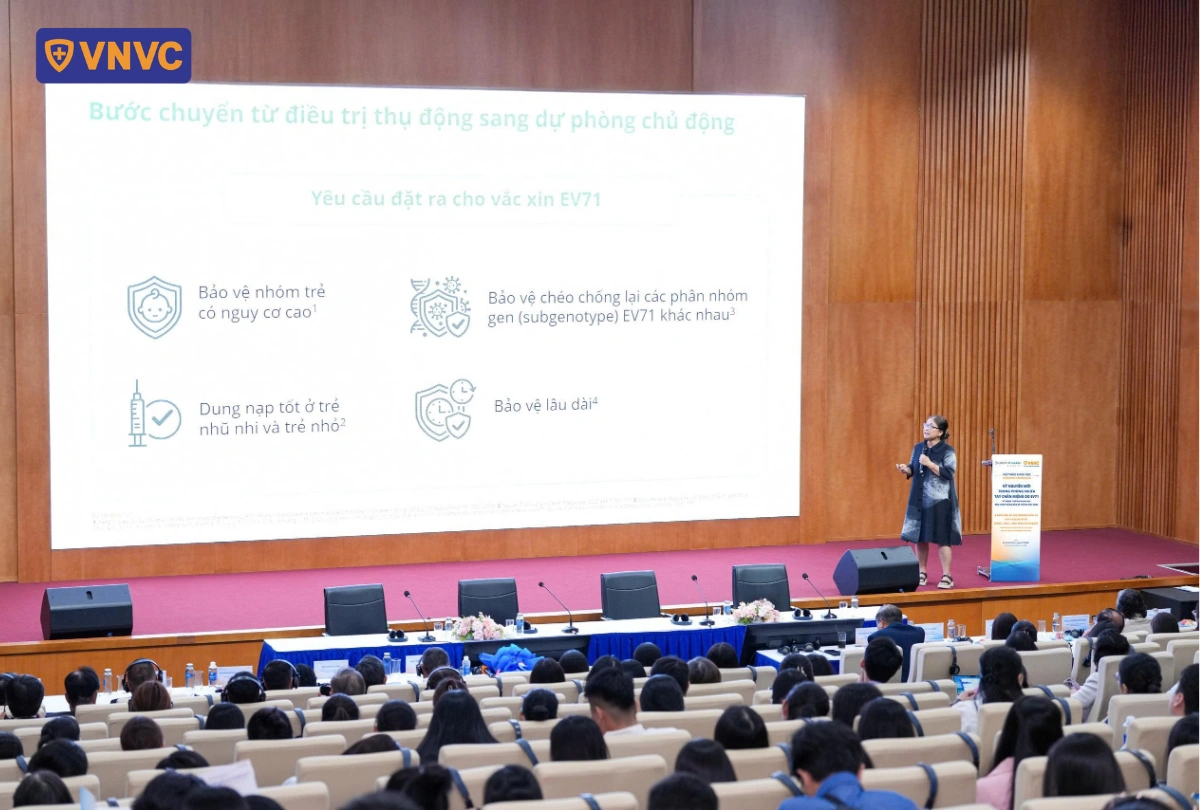
According to safety evidence, the vaccine against EV71-associated HFMD can be co-administered with multiple other vaccines in childhood vaccination programs. Clinical trials have shown that children can receive the EV71 vaccine at the same time as age-appropriate routine inactivated or live attenuated vaccines without affecting the protective effect or safety of vaccination. When vaccines are administered during the same visit, separate syringes and needles are used, and the vaccines are administered at different injection sites. In addition, the EV71 vaccine does not require a minimum interval when administered with other vaccines, making vaccination scheduling more convenient, increasing opportunities for disease prevention through vaccination, and helping reduce missed necessary doses.
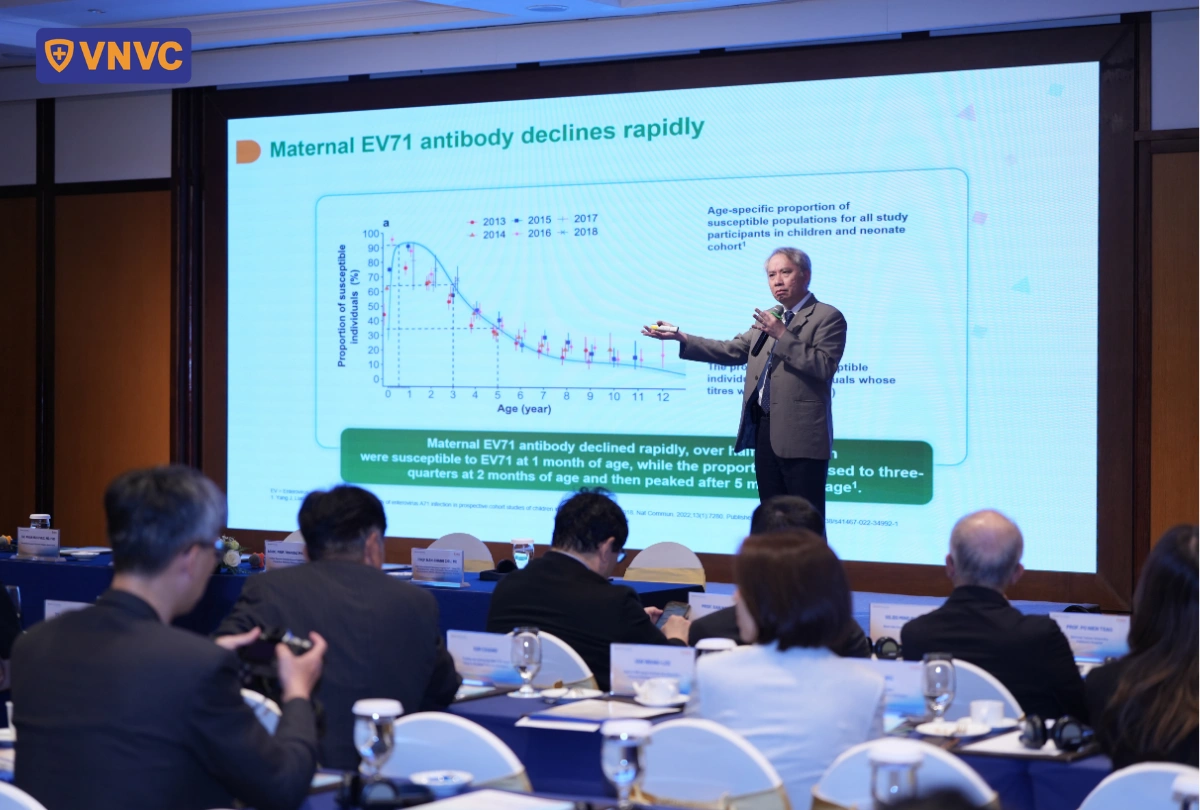
In concluding the scientific symposium, Chair Assoc. Prof. Tran Quang Binh, MD, PhD, Chief Medical Officer of the Tam Anh General Hospital Group in Ho Chi Minh City, emphasized that the vaccine against EV71-associated HFMD meets important requirements for disease prevention in young children, including early use from 2 months of age, good tolerability, induction of an immune response against multiple EV71 subgenotypes, and long-term maintenance of immunity.
Chair Dr. Bach Thi Chinh, Medical Director of the VNVC Vaccination Center System, assessed the vaccine as a scientifically grounded preventive tool for proactively reducing the risk of EV71-associated disease, thereby contributing to limiting severe cases, complications, and the burden on families as well as the healthcare system.
Chair Assoc. Prof. Tran Dac Phu, PhD, former Director-General of the General Department of Preventive Medicine, Ministry of Health, also noted that for children aged 2 months to under 6 years, parents should proactively learn about disease prevention measures and also consult physicians for advice appropriate to the child’s age, health status, and vaccination history. In addition, families need to maintain hygiene measures such as proper handwashing and cleaning of toys and frequently touched surfaces, limit children’s close contact with people who are currently ill, and take children to a healthcare facility if any unusual signs appear.
In the strategy to protect children against EV71-associated hand, foot, and mouth disease, early proactive vaccination as recommended, combined with strict implementation of hygiene measures, monitoring and early detection of signs of disease, as well as timely medical care and treatment, will form multiple layers of protection, helping reduce the risk of disease and limit progression to severe disease.


OTHER ARTICLES
VNVC Promptly Administers Nearly 40,000 Meningococcal Vaccine Doses in Four Days, Scaling Up Across Its Entire Network to Meet Disease Prevention Needs
Amid successive clusters of meningococcal cases at schools in Ho Chi Minh City, which have already resulted in a student’s death, demand for preventive vaccination has risen...

VNVC Vaccine and Biological Manufacturing Plant signs contract to purchase one of the world’s most advanced vaccine manufacturing lines
On February 24 in Hanoi — In the presence of Deputy Minister of Health Nguyen Tri Thuc and Deputy Minister of Science and Technology Bui Hoang Phuong,...

VNVC Commemorates COVID-19 Victims at the “Teardrop” Monument on the 5th Anniversary of Bringing the First COVID-19 Vaccines to Vietnam
VNVC held a floral offering ceremony at the "Teardrop" Monument to commemorate people, officers, soldiers, and frontline forces who lost their lives to COVID-19, and to remind...

VNVC is a leading vaccination system in Southeast Asia
On April 18 in Singapore, the VNVC Vaccination System was honored as the No. 1 Vaccination System in ASEAN 2026, while also receiving two major awards: “ASEAN...
Understanding the burden of respiratory diseases in young children and comprehensive protection strategies from the earliest days of life
More than 70% of hospitalizations due to respiratory syncytial virus (RSV) occur within the first 6 months of life; pneumococcus accounts for approximately 50% of deaths from...


The Tam Anh – VNVC Healthcare Ecosystem signs a cooperation agreement with the Administration of Maternal and Children’s Affairs (Ministry of Health) to strengthen comprehensive health protection for Vietnamese women and children
On June 3, 2026, in Hanoi, the Administration of Maternal and Children's Affairs (Ministry of Health) and the Healthcare Ecosystem comprising Tam Anh General Hospital, VNVC Vaccination...