Vietnam gets its first specialized influenza vaccine for older adults and people with underlying conditions, rolled out exclusively at VNVC

Just two days after launching Vietnam's first new-technology nasal spray influenza vaccine for children, the VNVC Vaccination Center System on October 30, 2026, went on to become the first in Vietnam to launch and roll out the specialized influenza vaccine for older adults and people with underlying conditions from Sanofi (France).
This is the first time Vietnam has had an influenza vaccine specialized for older adults and people with underlying conditions. With world-leading modern formulation technology and an antigen content four times that of standard influenza vaccines, the specialized influenza vaccine helps substantially increase protective effectiveness and reduce hospitalizations and deaths, with an average additional reduction of up to 30%. This is highly important and meaningful for older adults and people with underlying conditions, whose immunity is already weakened and whose ability to produce maximal antibody levels after conventional vaccines is limited.
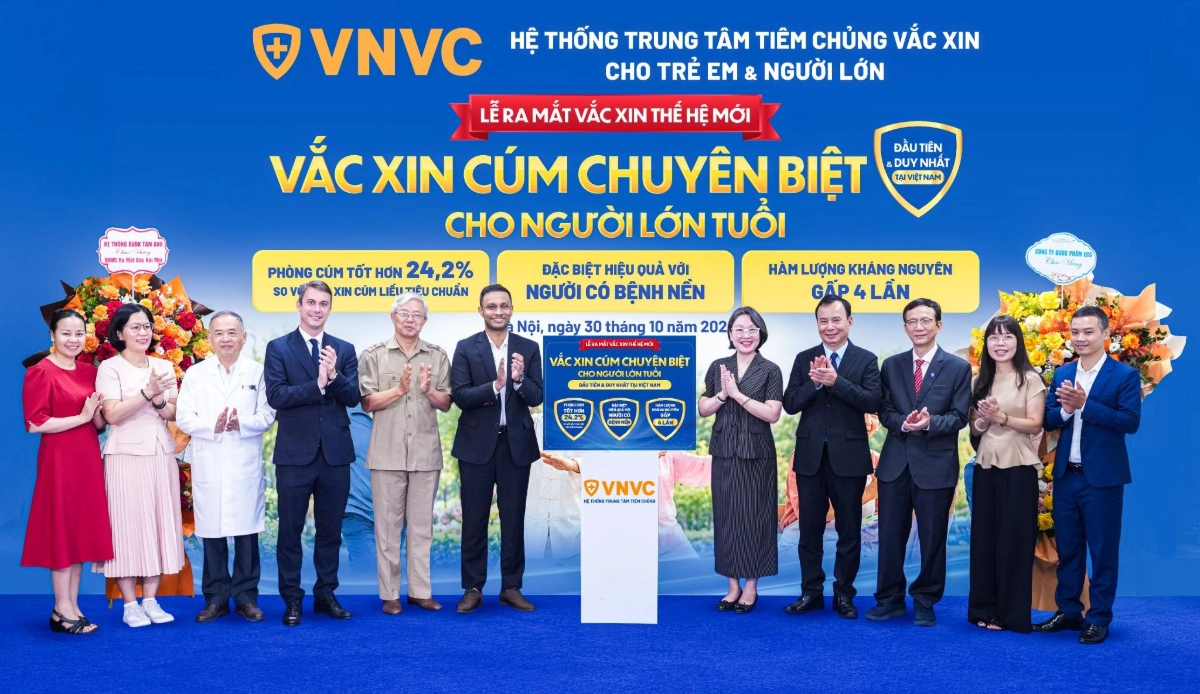
Fluzone High-Dose is an influenza vaccine developed by Sanofi (France) specifically to provide superior protection. It is intended exclusively for people aged 60 and older and people with underlying conditions, to strengthen disease prevention and reduce the risk of severe complications and death from influenza, a dangerous disease.
At a time when influenza A is spreading rapidly and putting many children, adults, and older adults in hospital with complex complications, the VNVC Vaccination Center System and Sanofi (France) have made timely efforts to bring to Vietnam the specialized influenza vaccine for older adults and people with underlying conditions. It is a simple, convenient, low-cost weapon that nonetheless delivers effective disease prevention and improves the health of older adults, and it is highly effective against a dangerous disease that constantly threatens to strike down older adults.
In particular, this is one of the concrete, practical actions VNVC has taken in its determination to implement Politburo Resolution 72 on breakthroughs in disease prevention and healthcare for the people, which emphasizes strengthening disease prevention solutions and healthcare for older adults.
With its special formulation technology, Sanofi's specialized influenza vaccine contains four times the antigen content of current standard-dose influenza vaccines, providing 24.2% higher efficacy against influenza and a further 32% reduction in the risk of influenza hospitalization compared with standard-dose influenza vaccines.
Bach Thi Chinh, MD, Specialist Level I, Medical Director of the VNVC Vaccination Center System, said standard-dose influenza vaccines have been used worldwide for more than 80 years, playing an important role in protecting generations of people against the risk of influenza, severe complications, and death, and they remain the mainstay of seasonal influenza prevention today. However, in older adults, aging weakens the immune system, so the body produces a lower immune response after vaccination, and the vaccine's protective effectiveness often does not reach the maximum level seen in younger people.
Therefore, although standard influenza vaccination has contributed to reducing the risk of death and severe disease, people in poor health, those with underlying conditions, and those who may be co-infected with multiple viruses and bacteria at the same time still face the risk of unfortunate severe complications. These risks are even greater in people with underlying conditions such as cardiovascular disease, diabetes, and long-standing chronic lung disease.
“Superior formulation technology and a passion for providing better healthcare for older adults have driven scientists at the world-leading pharmaceutical company Sanofi to continuously research and develop an influenza vaccine specialized for older adults, offering higher protective effectiveness than conventional influenza vaccines in a group whose immune response is already weakened. The vaccine is designed with four times the antigen content of a standard dose to partly overcome the decline in immune response caused by aging and to strengthen protection for groups at high risk of severe complications, hospitalization, and death from influenza,” Dr. Chinh emphasized.
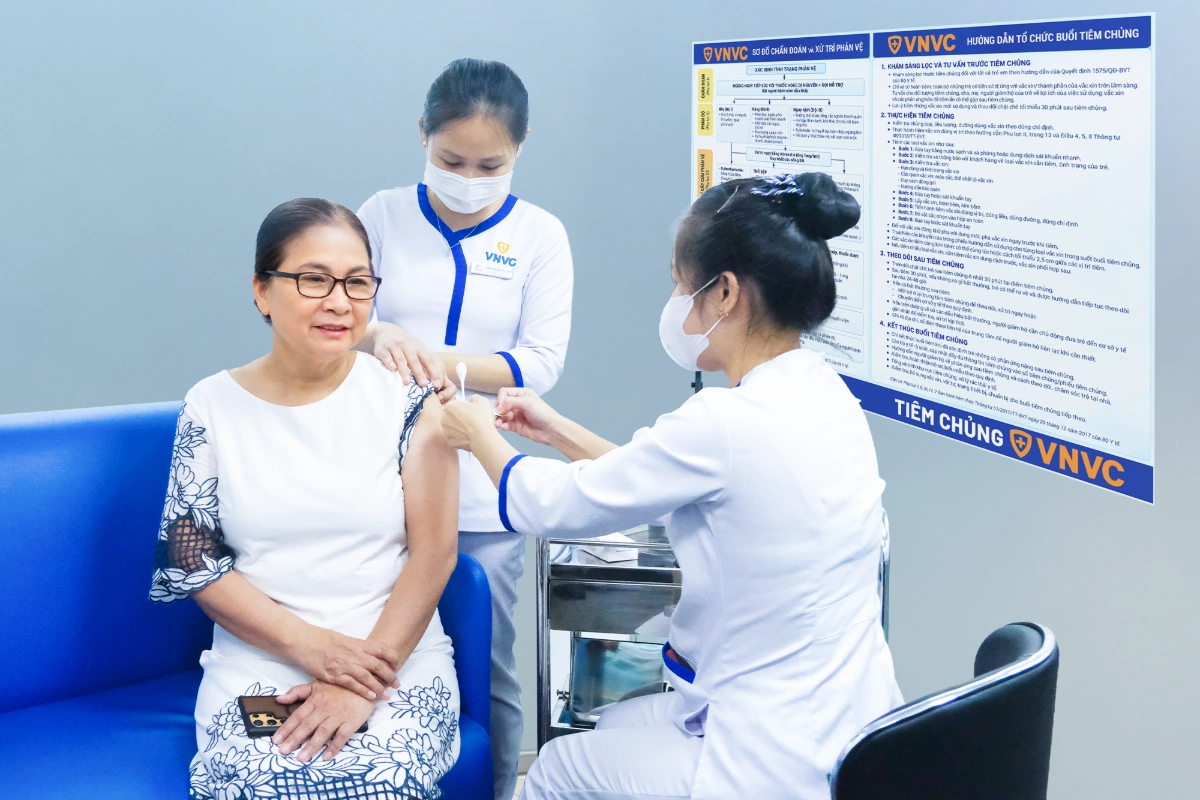
Dr. Kuharaj Mahenthiran, Vietnam Medical Head, Sanofi Vietnam, said Fluzone High-Dose is a high-dose inactivated influenza vaccine produced using split-virus technology and antigen purification. Its key distinguishing feature is an antigen content four times that of standard-dose influenza vaccines, with 60 micrograms of hemagglutinin (HA) antigen per virus strain, which stimulates the immune system to produce a stronger response and enhances protection in older adults, whose immune systems are weakened.
The vaccine protects against three seasonal influenza virus strains — A(H1N1), A(H3N2), and B/Victoria — and its antigen composition is updated annually in line with World Health Organization (WHO) recommendations to match the influenza strains forecast to circulate each season.
In particular, a large-scale clinical trial found that Fluzone High-Dose provided 24.2% higher efficacy against influenza than standard-dose influenza vaccines. Analyses in Denmark and Spain also found a further 32% reduction in the risk of influenza hospitalization, along with reductions in hospitalizations for cardiovascular and respiratory disease and in hospitalizations overall. These results are especially meaningful for older adults, particularly those with chronic diseases, as they contribute to reducing the disease burden and limiting the risk of severe complications, hospitalization, and physical decline after influenza and its complications, thereby protecting quality of life and mobility and helping people maintain their autonomy.
More than 360 million doses of Fluzone High-Dose had been administered worldwide as of September 2025. Health authorities in more than 25 countries, including the United States, Canada, France, and Germany, recommend the specialized influenza vaccine for older adults. Cardiology, respiratory, geriatric, and family medicine associations, among others, also emphasize the role of annual influenza vaccination in reducing the risk of serious complications, especially in people with underlying conditions.
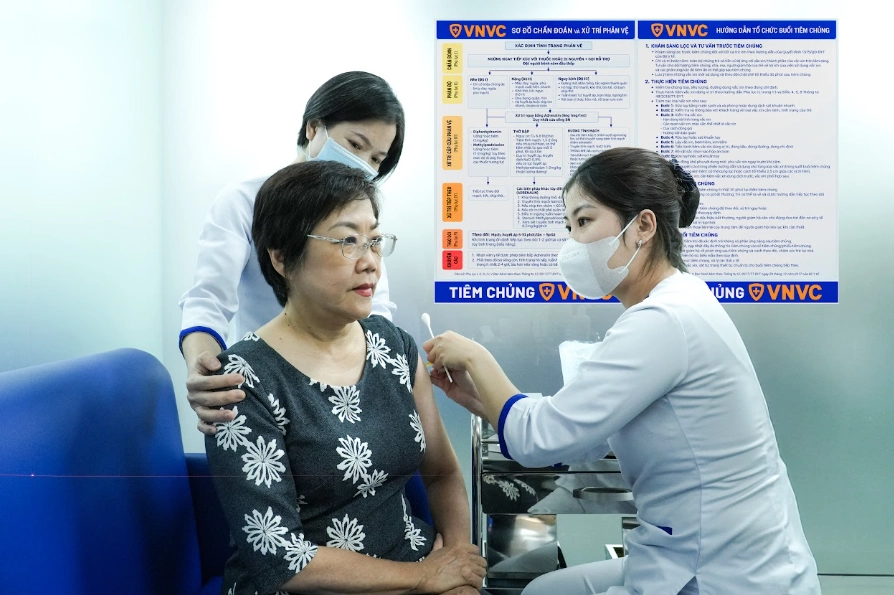
Among the first customers to receive the high-dose influenza vaccine specialized for older adults and people with underlying conditions at VNVC was Mr. Nguyen Lam, 63, Standing Vice President of the Central Committee of the Vietnam Association of the Elderly, who lives in Cau Giay Ward, Hanoi. He said older adults are generally at higher risk of severe illness when infected with influenza, especially those with underlying cardiovascular disease or hypertension. When they fall ill, recovery can also take longer, affecting their health and quality of life. He therefore spoke highly of the development of specialized influenza vaccines for older adults that strengthen the immune response and protect older adults.
“In the North, cold-season weather and erratic seasonal transitions can easily affect the health of older adults. I want to get vaccinated for extra protection so I can go about my daily life with peace of mind, stay in good health, and live a happy, healthy life,” Mr. Lam said. He also hopes proactive vaccination will spread throughout the community, especially as Vietnam has about 17 million older adults. In his view, attention to older adults' health should begin early, and vaccination is a practical way to help prevent dangerous infectious diseases.
“Prevention is better than cure. I hope more and more older adults will pay attention to vaccination and proactively protect themselves and their families. Only when each of us is in good health can we live happily and healthily and continue contributing to the community,” Mr. Lam said.
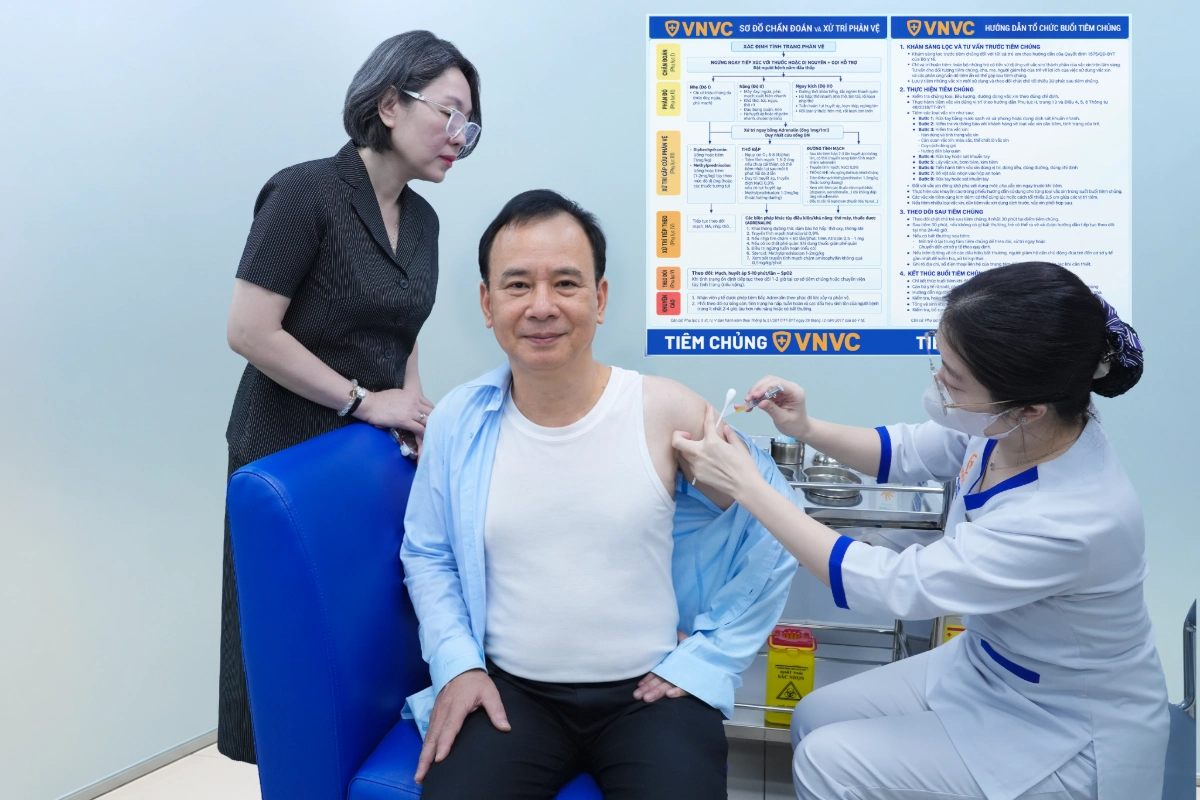
Mr. Nguyen Xuan Lap, 67, Member of the Standing Committee and Head of the Care Department of the Central Committee of the Vietnam Association of the Elderly, also expressed his delight at being among the first older adults to access and receive the vaccine. He hopes more and more older adults will understand the importance of vaccination and proactively get vaccinated to protect themselves. Only with good health can older adults live happily and healthily, continue contributing their experience and wisdom to their families and society, and more fully enjoy the achievements of modern medicine.
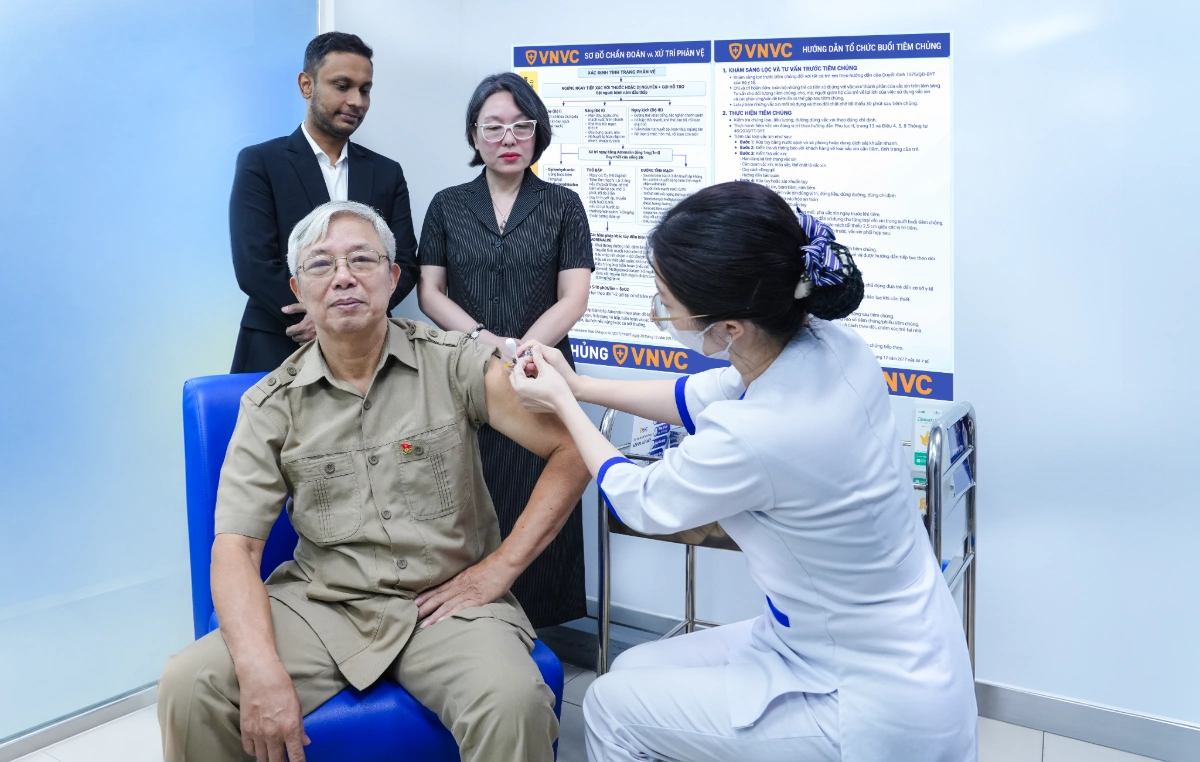
According to WHO, there are an estimated 1 billion cases of seasonal influenza worldwide each year, including 3–5 million severe cases and 290,000–650,000 deaths from influenza-related respiratory illness. In older adults and people with underlying conditions in particular, influenza can rapidly progress from fever, cough, and fatigue to pneumonia, respiratory failure, and cardiovascular complications that threaten life. Severe influenza cases requiring hospitalization and intensive care continue to show the worrying burden of the disease on this vulnerable population.
Vietnam is undergoing rapid population aging, with about 15 million people aged 60 and older in 2025, and is projected to become an aged society by 2036. While average life expectancy has reached about 74.5 years, the number of healthy life years is only about 65, meaning Vietnamese people face nearly a decade of life in declining health or illness.
It is worrying that older adults are at higher risk of complications, especially when they have multiple underlying conditions. People's Physician Prof. Ngo Quy Chau, MD, PhD, President of the Vietnam Respiratory Society and Deputy General Director for Medical Affairs at Tam Anh General Hospital Hanoi, said more than 95% of older adults in Vietnam have at least one underlying condition, and about 70% have two to three. When infected with influenza, people with chronic obstructive pulmonary disease may experience acute exacerbations and respiratory failure, requiring oxygen or even mechanical ventilation. In people with diabetes, influenza can make blood sugar difficult to control, causing the underlying condition to worsen. Some cases become very severe and life-threatening.
Influenza viruses not only worsen existing conditions but can also trigger dangerous health events in older adults. Meritorious Physician Assoc. Prof. Tran Quang Binh, MD, PhD, Medical Director of Tam Anh General Hospital Ho Chi Minh City, said influenza viruses, COVID-19, and respiratory syncytial virus (RSV) are respiratory pathogens that require particular attention in older adults. During influenza infection, the systemic inflammatory response can destabilize well-controlled underlying conditions, triggering cardiovascular events, exacerbations of respiratory disease, or blood sugar disorders, and increasing the risk of hospitalization and death.
Studies have found that the risk of influenza-related death can be 5 times higher in people with cardiovascular disease, 12 times higher in people with lung disease, and up to 20 times higher in people with both, compared with those without these conditions. Influenza infection has also been associated with an approximately 10-fold increase in the risk of heart attack and an approximately 8-fold increase in the risk of stroke during the risk periods studied, and it can increase exacerbations of chronic obstructive pulmonary disease (COPD) and asthma, as well as blood sugar disorders and heart failure.
The burden of influenza in older adults can persist after the dangerous phase has passed. A severe bout of influenza requiring hospitalization can leave 23% of patients with declining physical strength, loss of muscle mass, and reduced mobility, or even unable to care for themselves. Older adults who once lived independently may have to rely on family members' support for a long time, bringing costs for treatment, rehabilitation, and care, as well as financial and emotional strain on the whole family.
While the disease risk is high, the rate of proactive influenza prevention among older adults in Vietnam remains low. Although awareness and influenza vaccination rates in the community have improved over many years, a market research survey sourced from Eplus found that only about 2% of older adults receive annual influenza vaccination. This points to a significant gap in prevention and an urgent need to raise awareness and expand access to appropriate influenza prevention solutions for this high-risk group.
According to Assoc. Prof. Binh, amid rapid population aging, proactive prevention of infectious diseases needs to become an essential part of healthcare strategies for older adults, alongside the treatment and control of chronic diseases.
“Protecting the health of older adults requires close coordination between preventive medicine and treatment. In addition to annual influenza vaccination, older adults should receive counseling on preventive solutions suited to their age, underlying conditions, and individual risks, such as pneumococcal, shingles, and RSV vaccines. Proactive disease prevention contributes to limiting complications, reducing the risk of hospitalization, protecting mobility and independent living, and improving quality of life, while also reducing the burden of care on families and the healthcare system,” Assoc. Prof. Binh emphasized.
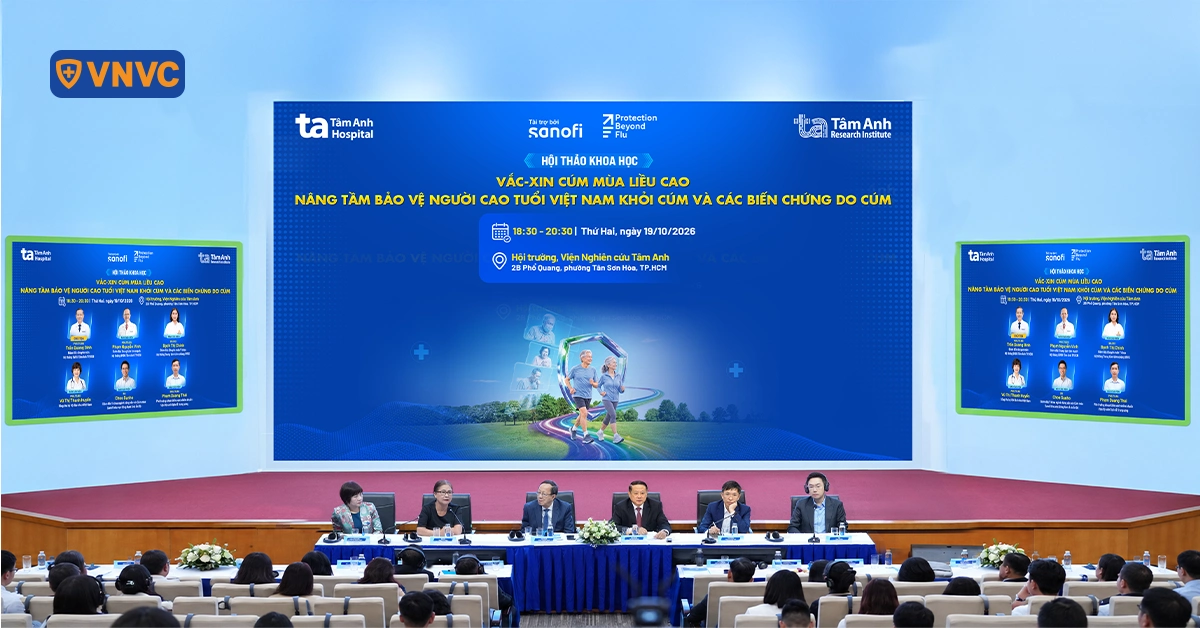
Caption: Prof. Ngo Quy Chau advises older adults to maintain proper nutrition and physical activity and to proactively get vaccinated against influenza and other important diseases, such as pneumococcal disease, RSV, shingles, diphtheria, pertussis, and tetanus.
VNVC's launch and rollout of the specialized influenza vaccine for older adults in Vietnam marks a new step forward in the partnership between VNVC and Sanofi, giving people additional opportunities to access advanced disease prevention solutions. The two sides have previously worked together to bring to Vietnam many important vaccines and biological products that prevent diseases such as diphtheria, pertussis, tetanus, polio, hepatitis B, Hib disease, seasonal influenza, meningococcal disease, rabies, and typhoid, and most recently a monoclonal antibody to prevent respiratory syncytial virus (RSV) disease. The partnership continues to expand, oriented toward developing vaccine manufacturing capacity at the VNVC Vaccine and Biological Manufacturing Plant, working toward supply self-sufficiency, strengthening preventive healthcare capacity, and contributing to protecting the health of Vietnamese people at every stage of life.


OTHER ARTICLES
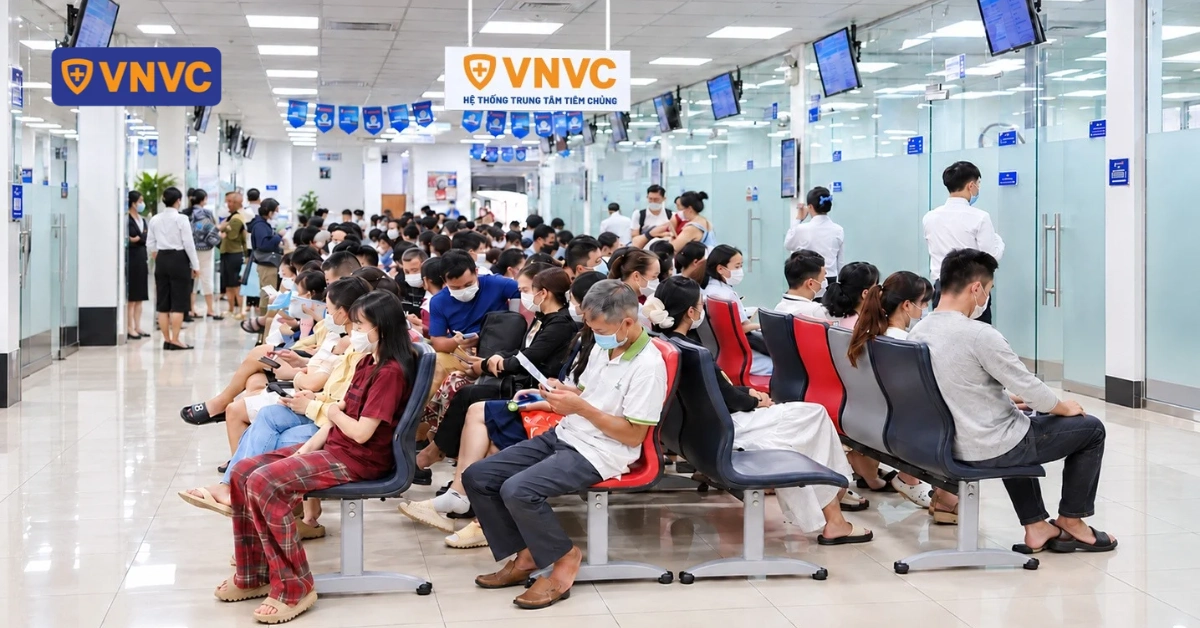
VNVC Promptly Administers Nearly 40,000 Meningococcal Vaccine Doses in Four Days, Scaling Up Across Its Entire Network to Meet Disease Prevention Needs
Amid successive clusters of meningococcal cases at schools in Ho Chi Minh City, which have already resulted in a student’s death, demand for preventive vaccination has risen...

VNVC Vaccine and Biological Manufacturing Plant signs contract to purchase one of the world’s most advanced vaccine manufacturing lines
On February 24 in Hanoi — In the presence of Deputy Minister of Health Nguyen Tri Thuc and Deputy Minister of Science and Technology Bui Hoang Phuong,...
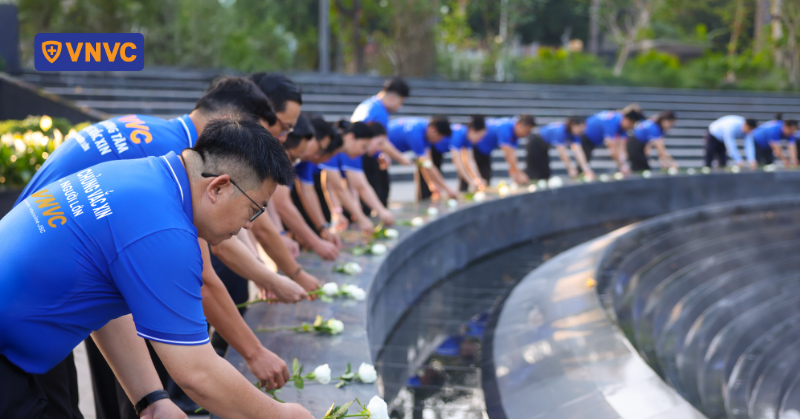
VNVC Commemorates COVID-19 Victims at the “Teardrop” Monument on the 5th Anniversary of Bringing the First COVID-19 Vaccines to Vietnam
VNVC held a floral offering ceremony at the "Teardrop" Monument to commemorate people, officers, soldiers, and frontline forces who lost their lives to COVID-19, and to remind...

VNVC is a leading vaccination system in Southeast Asia
On April 18 in Singapore, the VNVC Vaccination System was honored as the No. 1 Vaccination System in ASEAN 2026, while also receiving two major awards: “ASEAN...
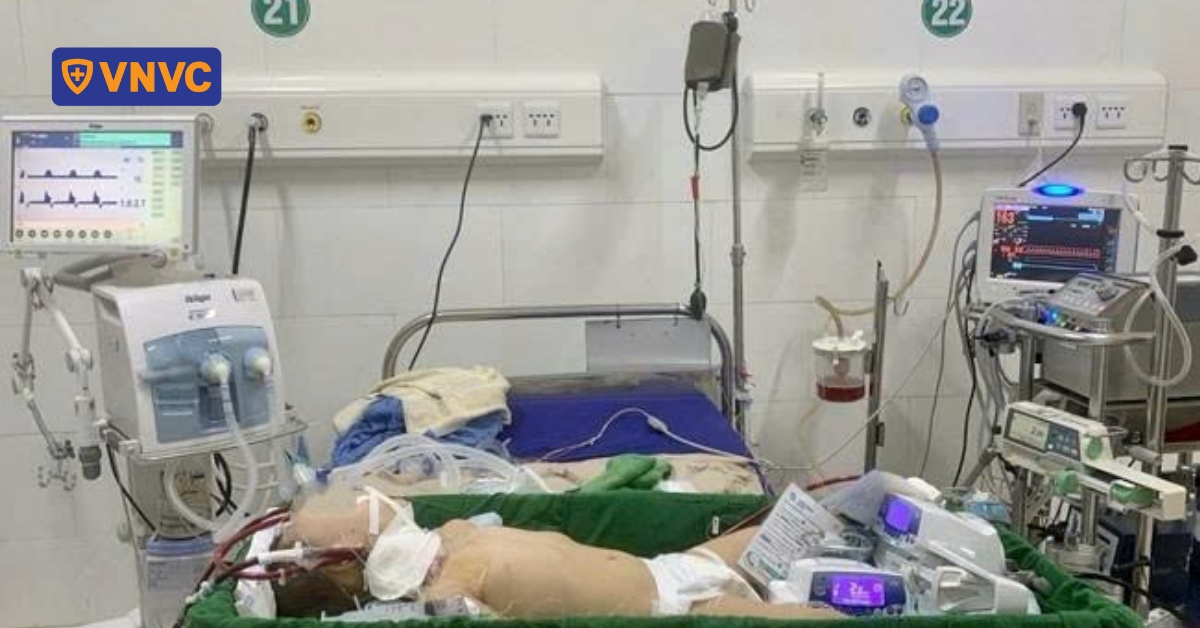
Understanding the burden of respiratory diseases in young children and comprehensive protection strategies from the earliest days of life
More than 70% of hospitalizations due to respiratory syncytial virus (RSV) occur within the first 6 months of life; pneumococcus accounts for approximately 50% of deaths from...
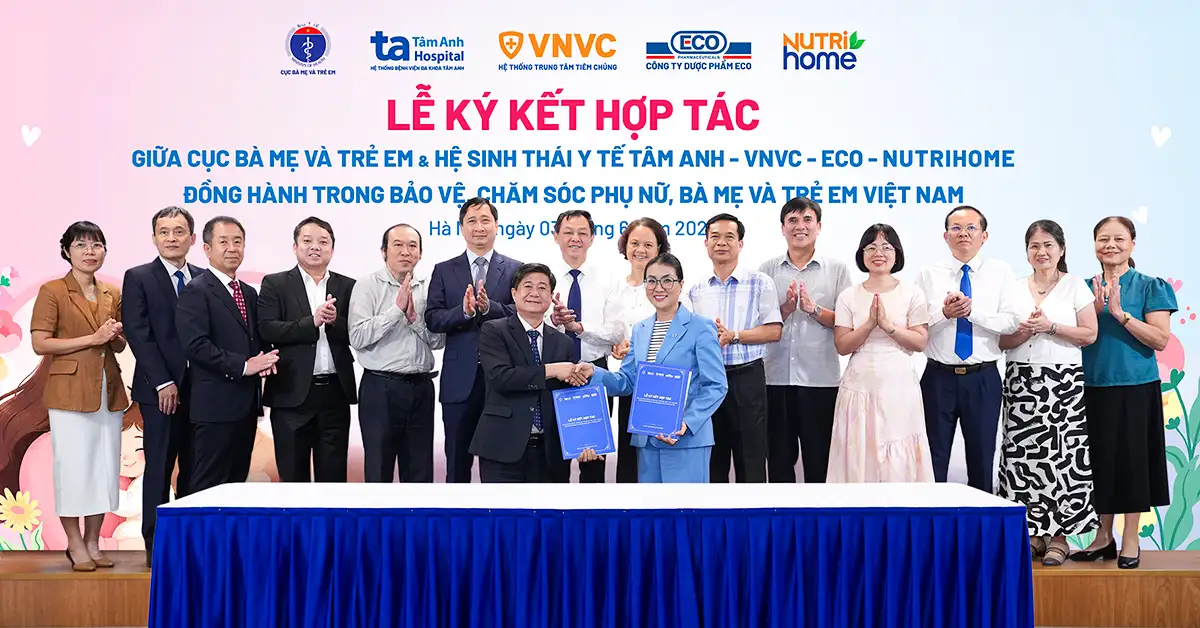
The Tam Anh – VNVC Healthcare Ecosystem signs a cooperation agreement with the Administration of Maternal and Children’s Affairs (Ministry of Health) to strengthen comprehensive health protection for Vietnamese women and children
On June 3, 2026, in Hanoi, the Administration of Maternal and Children's Affairs (Ministry of Health) and the Healthcare Ecosystem comprising Tam Anh General Hospital, VNVC Vaccination...