VNVC Provides Nearly VND 50 Billion in Support for More Than 25,000 Children to Receive Supplementary Vaccinations at the Start of the New School Year

After two months of supporting the implementation of Government Decree No. 165, the VNVC Vaccination Center System has helped review and certify the vaccination histories of nearly 250,000 children, while providing nearly VND 50 billion in timely support to enable more than 25,000 children to receive necessary supplementary vaccinations as they enter the new school year. Notably, approximately 6,000 children under six years of age had their vaccination histories reviewed and went on to complete the most important vaccinations against measles, rubella, Japanese encephalitis, diphtheria, whooping cough, tetanus, polio, and other diseases.
Since August 2026, the VNVC Vaccination Center System has been implementing a nationwide program offering free vaccination history checks, consultation, and certification. In just two months, more than 12,000 doctors, nurses, and staff members at nearly 300 VNVC centers coordinated outreach to nearly 30,000 schools and educational institutions. They guided parents in reviewing their children’s vaccination histories at schools, VNVC centers, and through digital platforms, thereby enabling children to receive missing vaccine doses in a timely manner.
These initial results demonstrate families’ positive response to a new and highly meaningful Government policy on disease prevention and child healthcare at an important time before the new school year. The program also expands opportunities for hundreds of thousands of children to become more fully vaccinated following routine reviews of their vaccination histories and at important milestones, particularly before the start of a new school year, when they return to school environments that inherently present numerous risks of infectious diseases spreading readily among students.
To date, the VNVC Vaccination Center System has provided nearly VND 50 billion in support for hundreds of thousands of vaccine doses, along with a range of communications and community education activities and practical gifts for children and tens of thousands of families.
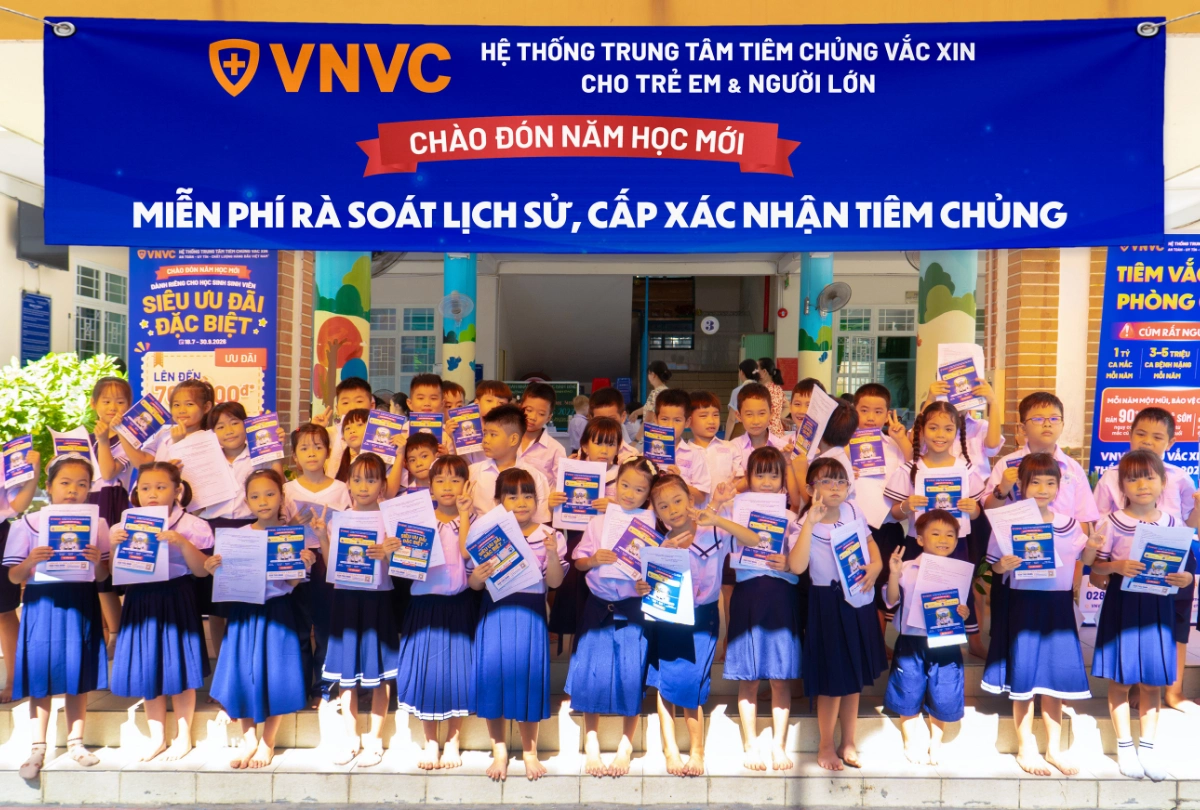
Government Direction and Coordinated Support from Schools, Parents, and the Vaccination System to Protect Children
Dr. Bach Thi Chinh, Specialist Level I, Medical Director of the VNVC Vaccination Center System, said the program had received active support and a positive response from many localities, regulatory authorities, healthcare facilities, and schools. Many localities have identified reviewing vaccination histories and providing catch-up and supplementary vaccinations for children as an important task in school healthcare. This has created opportunities for VNVC to engage more deeply and serve as a link between families, schools, and healthcare facilities in implementing preventive healthcare at the community level.
What is commendable is that, beyond simply completing “administrative procedures” or “submitting a vaccination certificate when required by the school,” most parents have also been reminded of the importance of having their children receive booster and supplementary doses of many important vaccines, whether due at their age or missed previously. Within just a few weeks of implementation, approximately 25,000 children had received supplementary doses of multiple important vaccines, and this number continues to rise as children settle into the new school year.
“We expect that most of the nearly 250,000 families reached with information about their children’s vaccination histories through this campaign will prioritize taking their children to vaccination facilities to receive supplementary doses of multiple important vaccines,” Dr. Bach Thi Chinh said.
Dr. Chinh also explained that most school-age children are still missing many important vaccine doses because their parents are busy and lack convenient tools for tracking their children’s vaccination schedules. At the same time, many vaccines were frequently in short supply in the past, and many parents did not fully recognize the importance of vaccination; as a result, they delayed or skipped their children’s scheduled vaccinations. Over the past 10 years, dozens of next-generation vaccines have also become available in Vietnam. Without regularly following relevant information, parents may be unaware of these vaccines and may not take their children for vaccination in a timely manner.
“This is also regrettable because every year, a great many children miss school or are hospitalized due to infectious diseases, affecting their academic performance and physical and intellectual development to some extent. There are even still cases of severe illness and death from infectious diseases for which vaccines are available,” Dr. Chinh said.
In practice, children can miss vaccinations at any age, from vaccines that should be administered before first grade to HPV, pneumococcal, influenza, chickenpox, and meningococcal vaccines at older ages. If vaccination histories are not checked regularly, missing vaccine doses can very easily go unnoticed for years. This leaves children without full protection, particularly when they attend school, where they are frequently in contact with large numbers of people and face an increased risk of infectious disease transmission.
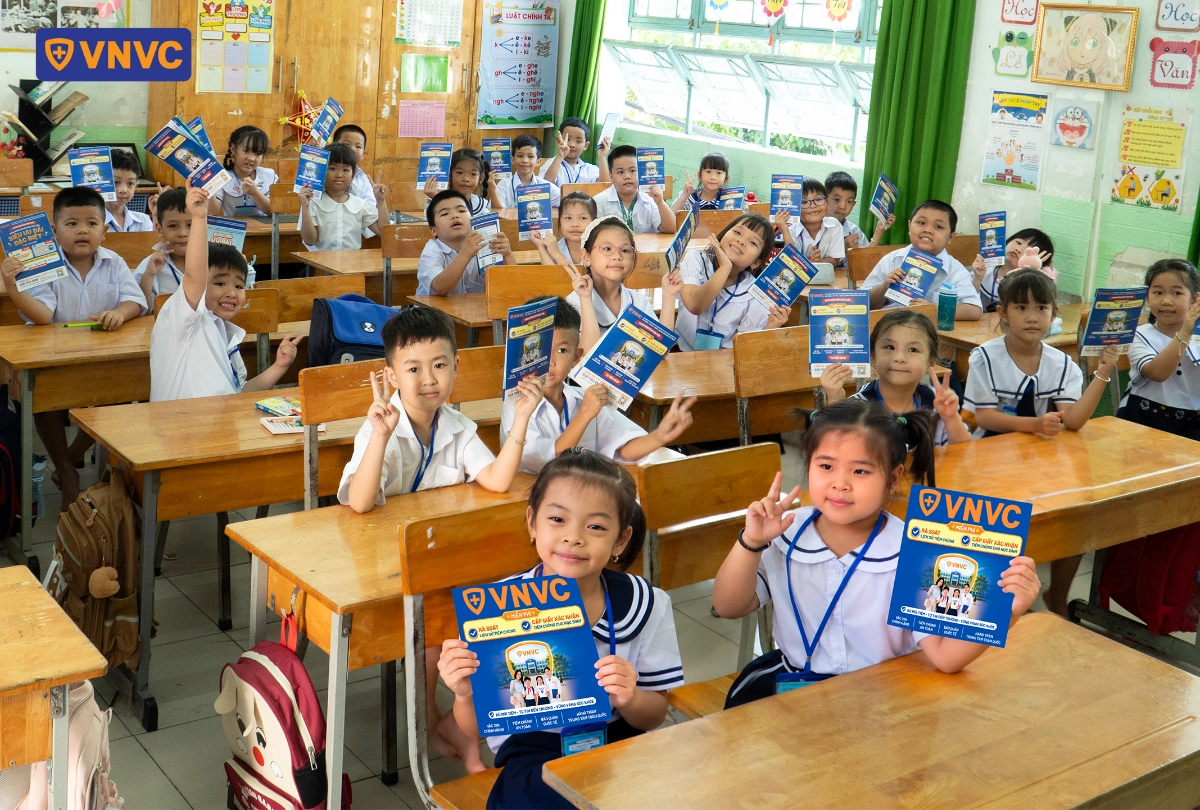
“Parents should not wait until an outbreak occurs or their children become ill before thinking about prevention. Many infectious diseases are currently evolving in complex ways: dengue fever is entering its peak season; hand, foot, and mouth disease cases and very severe complications in young children are also increasing; meningococcal disease can spread in group settings and progress very rapidly, becoming life-threatening in as little as 24 hours; and diseases such as measles, influenza, chickenpox, and pneumonia can also spread easily when children study and spend time in crowded settings. Therefore, parents should proactively review their children’s vaccination histories and ensure that their children are fully vaccinated on schedule, with catch-up vaccinations for any missed doses, to strengthen protective immunity,” Dr. Chinh advised.
Dr. Chinh noted that vaccination schedules should be reviewed at each stage of a child’s development, particularly when children enter first grade, transition to a new level of education, enter puberty, and reach adulthood. These are periods when children’s environments and patterns of contact change. At the same time, immunity from some vaccines declines over time and needs to be reinforced through booster doses. In addition, children should receive other important vaccines, such as the HPV vaccine, when they reach the recommended age.
“Vaccination does not end after the first years of life; rather, it needs to continue to be monitored and supplemented according to age and risk groups to maintain protection at each stage of life,” Dr. Chinh emphasized.
VNVC Proactively Takes the Lead in Responsibly Supporting Local Preventive Healthcare and Tens of Thousands of Families
With a nationwide network of nearly 300 centers and a capacity for safe vaccination delivery built over many years, VNVC has quickly recognized its responsibility to take the lead in supporting local healthcare systems and working alongside families. Its efforts include promptly reviewing vaccination histories, offering vaccination information and consultation, and providing financial support toward vaccination costs for tens of thousands of children nationwide.
After two months, this coordinated effort has received considerable recognition from local authorities, healthcare facilities, and schools. Dr. Hoang Van Cuong, Director of Binh Dong Ward Health Station in Ho Chi Minh City, said that VNVC’s participation in reviewing vaccination histories had provided schools and parents with additional information needed to monitor students’ health. A representative of the Culture and Social Affairs Division of Cat Lai Ward also acknowledged the coordination among VNVC, schools, local healthcare authorities, and families in caring for children’s health.
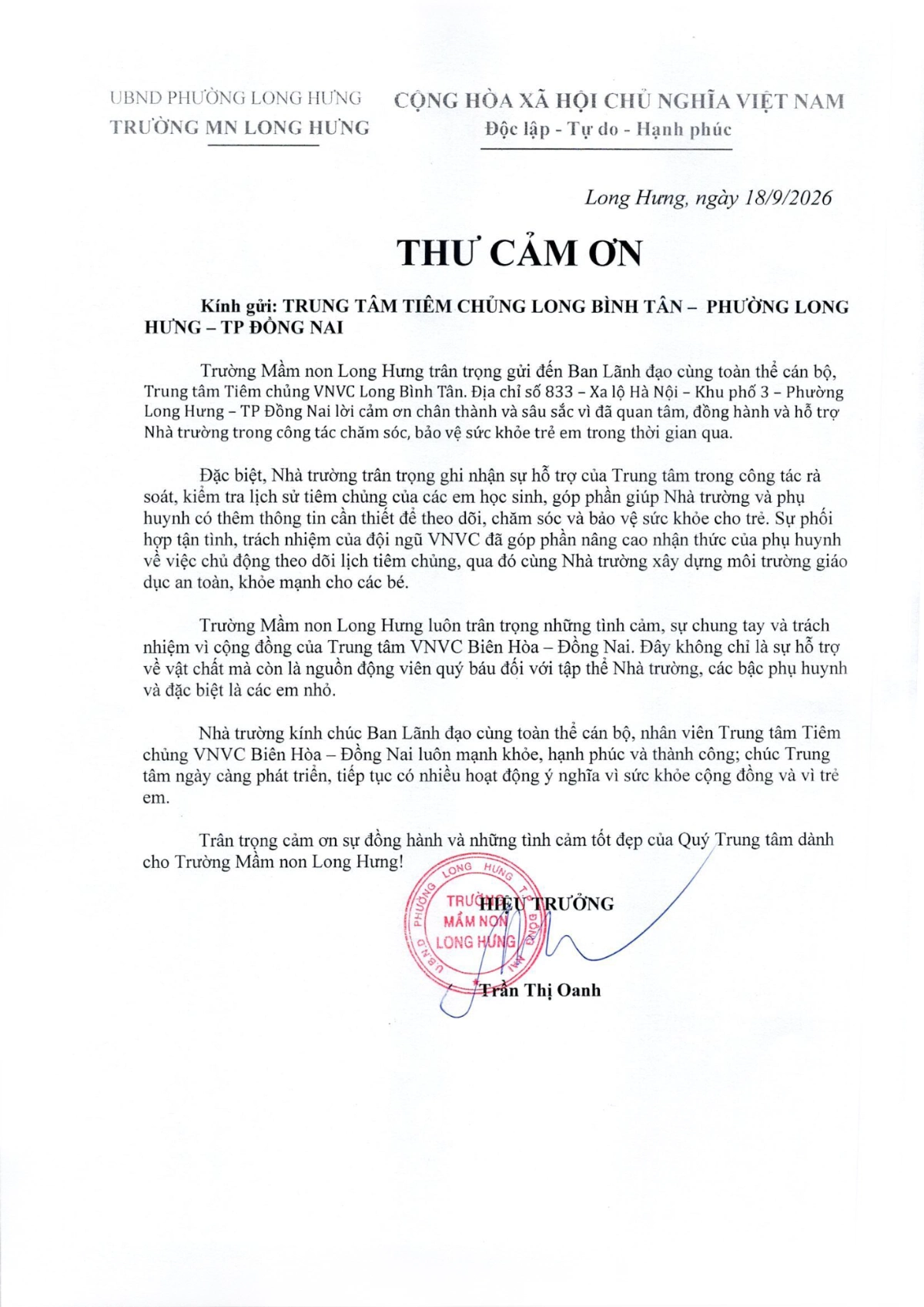
In a letter of appreciation to VNVC Long Binh Tan in Dong Nai, Ms. Tran Thi Oanh, Principal of Long Hung Kindergarten, recognized the dedication and sense of responsibility demonstrated by the VNVC team in reviewing vaccination histories, helping parents proactively monitor vaccination schedules, and working with the school to build a safe and healthy educational environment.
VNVC’s vaccination history review and certification program has demonstrated its effectiveness in mobilizing multiple stakeholders to participate in child healthcare in general and school healthcare in particular. Coordination among local authorities, healthcare facilities, schools, parents, and the VNVC Vaccination Center System has contributed to the effective implementation of practical disease prevention and child and community healthcare initiatives across many localities.
A representative of the VNVC Vaccination Center System affirmed that VNVC would continue to support families who had registered their children for vaccination under this program through the end of December 2026. At the same time, VNVC would coordinate with local healthcare authorities and schools in subsequent years to establish programs that expand children’s opportunities for preventive vaccination, and would take action to care for children’s health.
Resolution No. 72 of the Politburo identifies preventive healthcare as a key priority, with the aim of increasing vaccination coverage and managing health across the life course. To give concrete effect to this policy direction, Government Decree No. 165 once again affirms the importance of preventive vaccination for children, particularly those at the beginning of each level of education. On this basis, reviewing vaccination histories and providing supplementary vaccinations are cited as practical measures to protect children’s health as they enter the new school year. Early identification of missed or delayed vaccinations gives children the opportunity to receive appropriate catch-up and booster doses, helping reduce gaps in children’s health protection that parents and schools may not yet have noticed.


OTHER ARTICLES
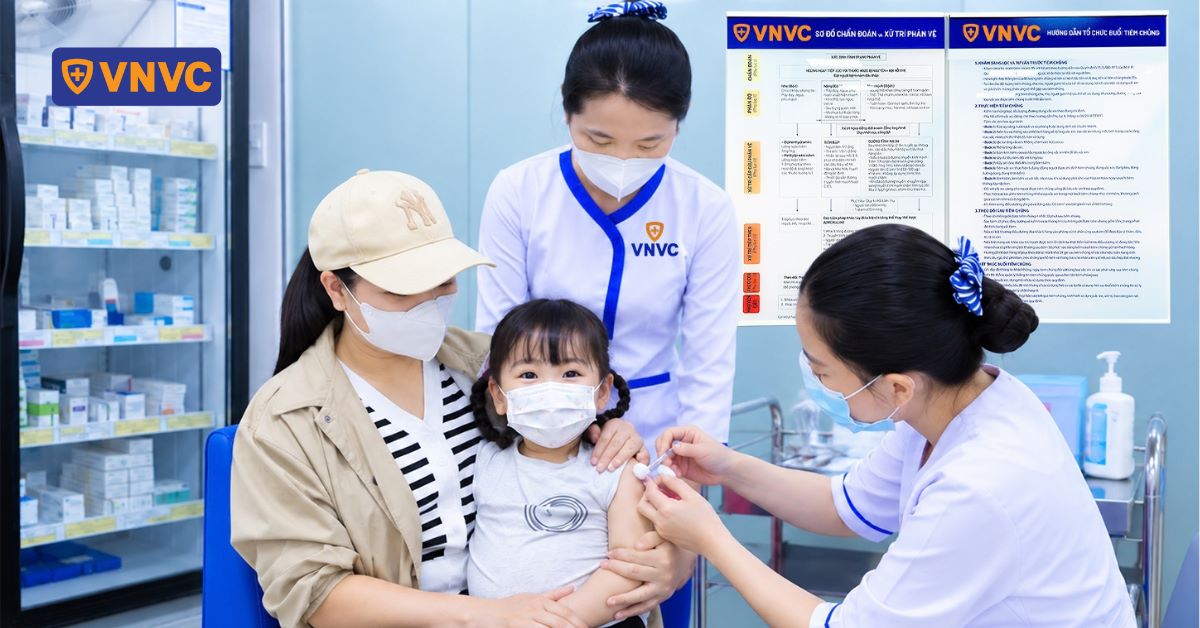
More Than 100,000 Vietnamese Children Vaccinated Against Hand, Foot, and Mouth Disease at VNVC Two Weeks Into Rollout
The VNVC Vaccination Center System began administering Vietnam’s first hand, foot, and mouth disease vaccine on September 25, rapidly making vaccination available to children nationwide through its...

VNVC Vaccine and Biological Manufacturing Plant signs contract to purchase one of the world’s most advanced vaccine manufacturing lines
On February 24 in Hanoi — In the presence of Deputy Minister of Health Nguyen Tri Thuc and Deputy Minister of Science and Technology Bui Hoang Phuong,...
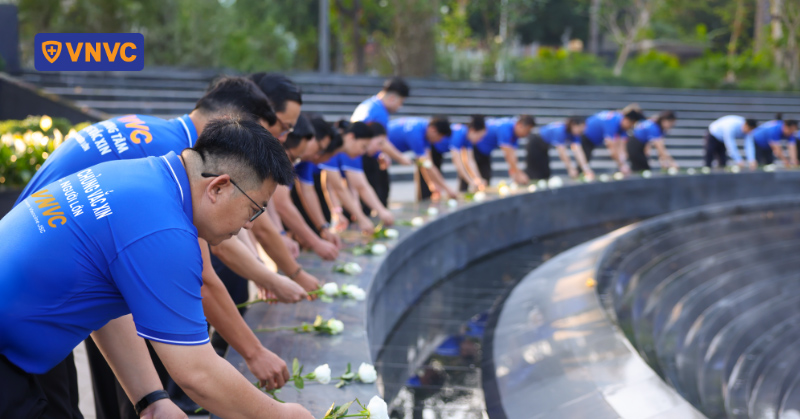
VNVC Commemorates COVID-19 Victims at the “Teardrop” Monument on the 5th Anniversary of Bringing the First COVID-19 Vaccines to Vietnam
VNVC held a floral offering ceremony at the "Teardrop" Monument to commemorate people, officers, soldiers, and frontline forces who lost their lives to COVID-19, and to remind...

VNVC is a leading vaccination system in Southeast Asia
On April 18 in Singapore, the VNVC Vaccination System was honored as the No. 1 Vaccination System in ASEAN 2026, while also receiving two major awards: “ASEAN...
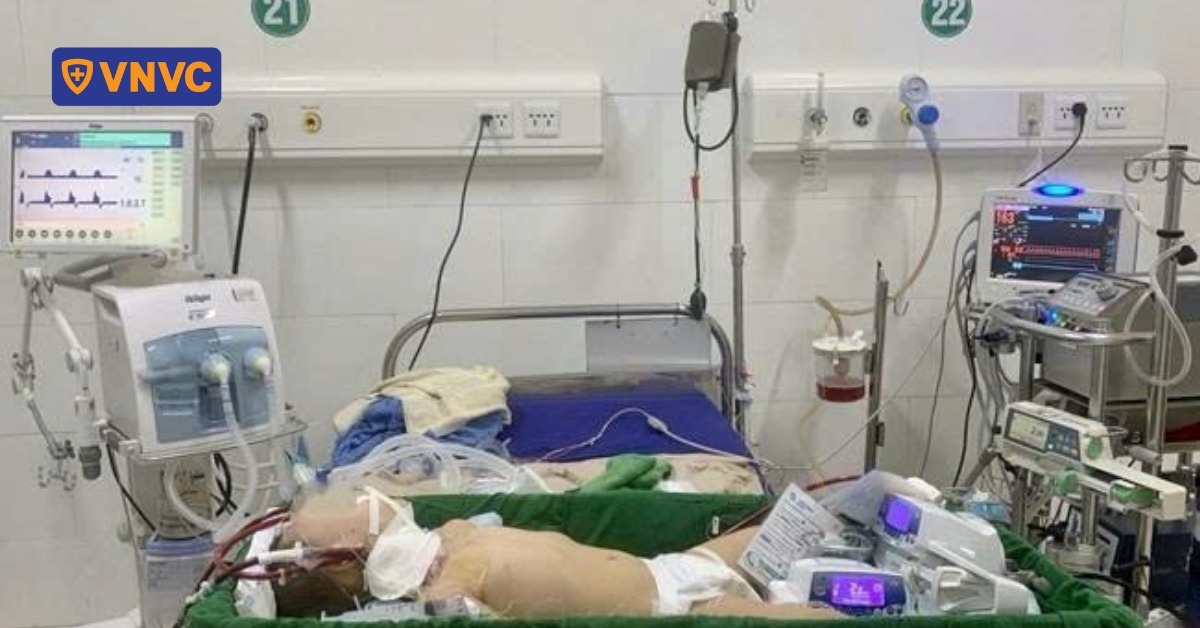
Understanding the burden of respiratory diseases in young children and comprehensive protection strategies from the earliest days of life
More than 70% of hospitalizations due to respiratory syncytial virus (RSV) occur within the first 6 months of life; pneumococcus accounts for approximately 50% of deaths from...

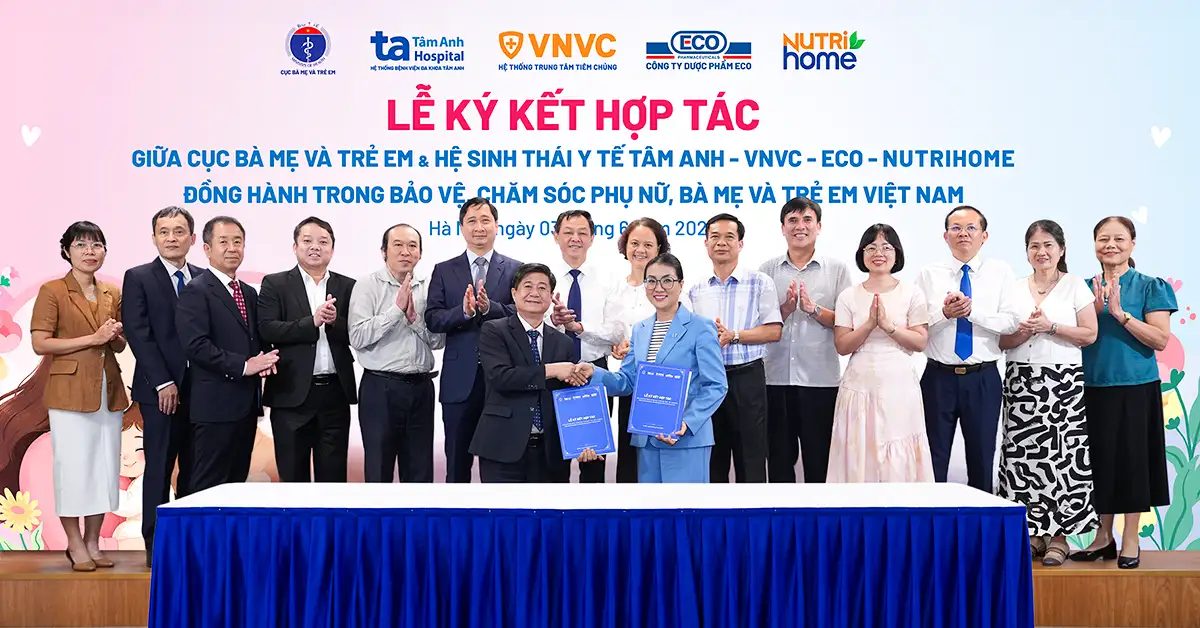
The Tam Anh – VNVC Healthcare Ecosystem signs a cooperation agreement with the Administration of Maternal and Children’s Affairs (Ministry of Health) to strengthen comprehensive health protection for Vietnamese women and children
On June 3, 2026, in Hanoi, the Administration of Maternal and Children's Affairs (Ministry of Health) and the Healthcare Ecosystem comprising Tam Anh General Hospital, VNVC Vaccination...