
Vietnam to begin manufacturing high technology vaccines at the VNVC Vaccine and Biological Manufacturing Plant as early as 2028



Vietnam Vaccine Joint Stock Company (VNVC) and Sanofi (France) announce a new milestone in their cooperation to manufacture Sanofi's high-technology vaccines at the VNVC Vaccine and Biological Manufacturing Plant, with Sanofi's key next-generation vaccines expected to be manufactured in Vietnam as early as 2028.
Against the backdrop of Vietnam's resolute implementation of the Party and State's major policies and strategic directions, together with the directives of the General Secretary, the Secretariat, and the Government on breakthroughs in science, technology, innovation, and digital transformation; the development of national strategic technologies and strategic technology products; the promotion of the private sector; and the protection, care, and improvement of public health – as set out in Politburo Resolutions No. 57, No. 68, and No. 72 and the Prime Minister's Decision No. 21, and building upon the Vietnam–France Comprehensive Strategic Partnership as well as bilateral cooperation agreements in healthcare, science, technology, and vaccines, the Ministry of Health, in coordination with the Embassy of France in Vietnam, convened the Vietnam–France High-Level Conference in Hanoi on July 9, 2026, under the theme: “Strengthening Cooperation in the Implementation of Strategic Technologies and Strategic Technology Products for the Development of Next-Generation Vaccines in Vietnam”.

The Conference provided a platform for senior Vietnamese and French leaders to exchange knowledge and experience in strategic healthcare technologies, with a particular focus on preventive medicine – a traditional area of strength for France, which has a long-established and advanced high-technology vaccine manufacturing industry, a robust global supply chain, and world-leading research and innovation capabilities. This is also a strategic priority for Vietnam, as the country seeks to strengthen healthcare capabilities, meet the growing demand for disease prevention and healthcare services, ensure health security, and proactively respond to infectious disease outbreaks. It is also an important economic sector that contributes to the Government's efforts to achieve double-digit economic growth.
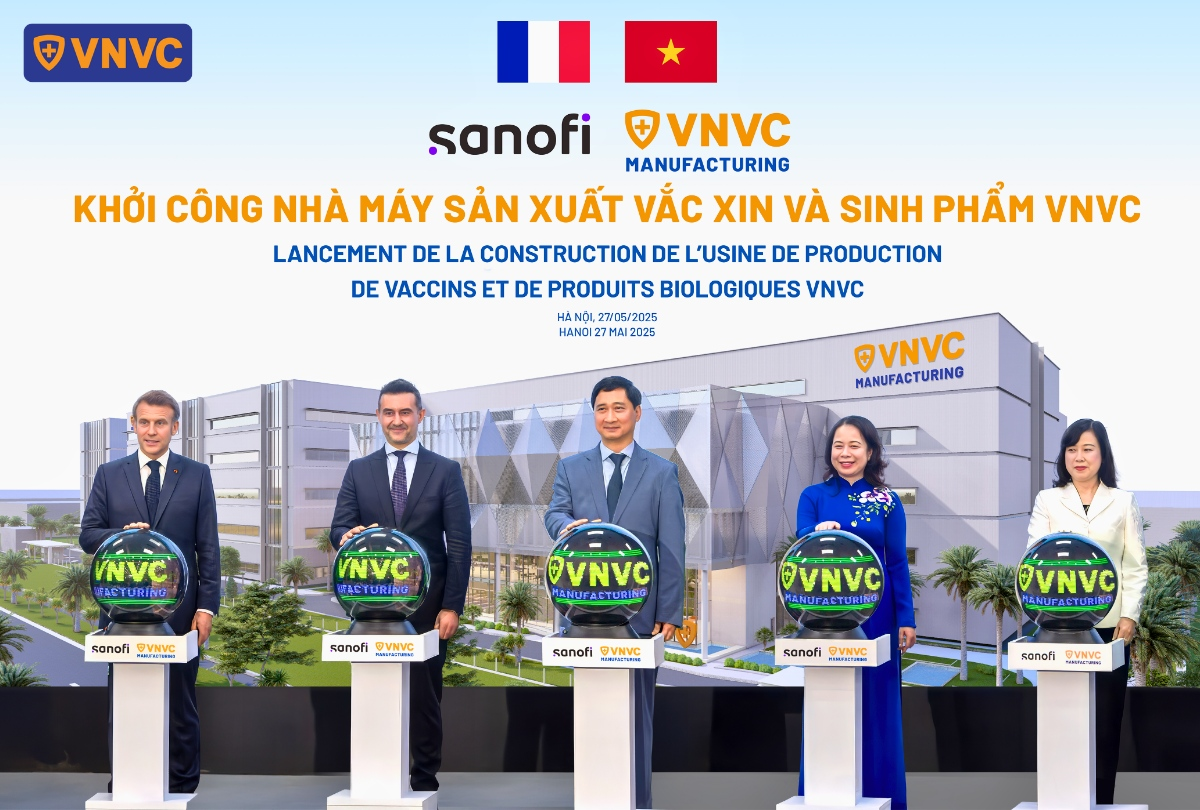
The Conference also marked a significant milestone in the ongoing collaboration between Sanofi and VNVC toward high-technology vaccine manufacturing, formalized through an agreement signed in Paris in October 2024 during General Secretary To Lam's official visit to France, when bilateral relations were elevated to a Comprehensive Strategic Partnership.
In her keynote address at the Conference, Ms. Nguyen Thi Thanh, Member of the Party Central Committee and Vice Chairwoman of the National Assembly, affirmed that the development of next-generation vaccine technologies and manufacturing is not only a priority for the healthcare sector, but also a matter of health security, human security, and the nation's sustainable development. She emphasized that the Party, the National Assembly, and the Government have introduced a series of breakthrough policies and strategic initiatives to promote research, technology transfer, and the development of the vaccine industry, with next-generation vaccines designated as a national strategic technology product.
The Vice Chairwoman of the National Assembly commended the cooperation between Vietnam and France, as well as the support and commitment of relevant organizations and participating enterprises in helping Vietnam strengthen its research capabilities, develop strategic technologies and strategic technology products, transfer next-generation vaccine manufacturing technology, develop high-quality human resources, and progressively master these technologies. She further called on all stakeholders to establish a clear cooperation roadmap to accelerate the delivery of products that directly benefit the public; further leverage the role of the private sector, while the State provides an enabling legal framework and public procurement policies to foster a sustainable market and strengthen domestic technological capabilities; invest in the development of high-quality human resources; and work toward the goal of positioning Vietnam as a regional hub for clinical research, clinical trials, manufacturing, and distribution of next-generation vaccines.
In the opening remarks, Minister of Health Dao Hong Lan underscored that in recent years, particularly in the aftermath of the COVID-19 pandemic, health security is not merely a healthcare issue, but is also closely linked to national security and sustainable development. For Vietnam, mastering vaccine research, manufacturing, and supply is one of the key pillars for protecting public health, strengthening the resilience of the healthcare system, and contributing to long-term economic growth.
In this context, the Ministry of Health is vigorously implementing the Party and State's major policies and strategic directions on science, technology, innovation, and digital transformation, under which next-generation vaccines have been designated as a strategic technology product to enhance national self-sufficiency and affirm Vietnam's position in the global biotechnology and healthcare value chain.
The Minister affirmed that technology plays a particularly crucial role – not merely as a means of acquiring manufacturing know-how, but as a comprehensive process encompassing the enhancement of research and development capabilities, the training of high-quality human resources, the strengthening of management, quality assurance, and licensing systems, and the establishment of a sustainable vaccine supply chain.
The Conference represents a significant step toward translating the strategic directions for cooperation between Vietnam and France in the vaccine sector into concrete action, promoting international knowledge sharing and establishing effective public–private partnership models. This will contribute to enhancing domestic vaccine manufacturing capacity, ensuring a stable supply for the National Immunization Program, and advancing the long-term objective of positioning Vietnam as a regional hub for vaccine manufacturing and innovation.
"In particular, the participation of regulatory authorities, international organizations, and both domestic and global enterprises in today's Conference will help shape a comprehensive, multi-sectoral approach to developing a robust high-technology vaccine manufacturing sector in Vietnam," said Minister Dao Hong Lan.
H.E. Olivier Brochet, the French Ambassador to Vietnam, affirmed that the Conference stands as a testament to the strength, maturity, and long-term vision of the Vietnam–France Comprehensive Strategic Partnership in the field of healthcare.
The Ambassador highlighted that, for decades, healthcare has been one of the most dynamic and successful areas of cooperation between France and Vietnam. In 2025, Vietnam imported USD 486 million worth of pharmaceutical products from France, with vaccines accounting for a significant share of these imports and playing an important role in improving public health. However, he noted that the true value of the partnership lies not only in trade, but also in trust, a shared commitment to quality, safety, and equitable access to medical advances.
Commending the partnership between Sanofi and VNVC, the Ambassador described it as a compelling example of the potential of France–Vietnam cooperation in healthcare. The agreement exchanged between the two parties during President Macron's State visit to Vietnam in May 2025 provides a framework for the progressive development of vaccine manufacturing technology, while also supporting the development of domestic human resources, quality management systems, and the capability to meet the highest standards of research, manufacturing, and safety. The combination of France's scientific and industrial strengths with VNVC's vaccination and distribution capabilities will help ensure timely, sustainable access to high-quality vaccines for the Vietnamese people.
Ambassador Brochet also expressed his hope that both countries will continue to deepen cooperation in the research and development of next-generation vaccines, contributing to Vietnam's goal of strengthening healthcare self-reliance and positioning the country as a regional hub for biopharmaceutical innovation and manufacturing. He further expressed his hope that the new France–Vietnam Intergovernmental Agreement on Health Cooperation will be signed in the near future, establishing a comprehensive framework for cooperation in training, research, innovation, and healthcare industry development in the years ahead.
Vaccine manufacturing is one of the most demanding fields in terms of science, technology, and quality management. The research and development of a new vaccine typically takes many years, requiring substantial investment, specialized manufacturing processes, and rigorous testing systems to ensure quality, safety, and efficacy. Manufacturing vaccines in Vietnam is therefore not merely a matter of acquiring manufacturing processes, but a comprehensive process of developing research capacity, training high-quality human resources, strengthening quality management and system operations, and progressively mastering the technology.
Beyond manufacturing capacity, vaccine development requires a fully integrated ecosystem – spanning research and development (R&D), epidemiological surveillance, clinical trials, quality testing, cold chain infrastructure, logistics, and safe distribution and vaccination networks. This ecosystem forms the essential foundation for achieving vaccine self-sufficiency, proactively responding to disease outbreaks, and strengthening national health security.
Mr. Stephen Alix, Head of Vaccines International, Sanofi, stated that, with over 100 years of experience in vaccine manufacturing, Sanofi regards this as a long-term project encompassing research collaboration, human resource training, manufacturing capacity development, and ensuring international standards of quality and safety.
He expressed his appreciation for Vietnam's strategic direction in science and technology, as well as VNVC's investment in building its state-of-the-art vaccine manufacturing facility. He noted that the combination of Sanofi's technological capabilities and global experience with VNVC's investment, research, and implementation strengths will create the essential conditions for the development of next-generation vaccine manufacturing capabilities in Vietnam.
"Sanofi is committed to a long-term partnership with Vietnam and VNVC in research, the sharing of global expertise, human resource training, and the development of high-quality vaccine manufacturing capabilities, contributing to Vietnam's vaccine self-sufficiency and strengthening national health security," said Mr. Stephen Alix.
In the new phase of national development, biotechnology and vaccine technologies have been identified as fields of strategic significance, directly linked to preventive healthcare capacity, national health security, and the country's ability to proactively respond to infectious diseases as well as potential disruptions to global healthcare supply chains. Advancing research, developing vaccine manufacturing capabilities, and progressively mastering vaccine technologies in Vietnam serve not only the goal of protecting and improving public health, but also contribute to the development of the biotechnology industry, enhance national competitiveness, and affirm Vietnam's role in the global healthcare value chain.
At the Conference, VNVC and Sanofi announced new milestones in their collaboration to manufacture Sanofi's high-technology vaccines at the VNVC Vaccine and Biological Manufacturing Plant. VNVC also provided updates on the construction progress of the Plant and on the portfolio of priority next-generation vaccines to be manufactured in order to promptly meet the demand for high-quality vaccination among children and adults in Vietnam, while supporting the planned expansion of the National Immunization Program to enable more children and adults to access a broader range of next-generation vaccines at optimized investment costs. VNVC further shared its vision and initial milestones on its journey toward becoming a leading center in Vietnam and the region for research, technology transfer, manufacturing, and quality testing of high-technology vaccines and biologics. In this vision, the state-of-the-art manufacturing plant will serve as the foundation for VNVC's technology cooperation programs with international partners, while the modern research institute will serve as a hub for scientific research on next-generation vaccines.
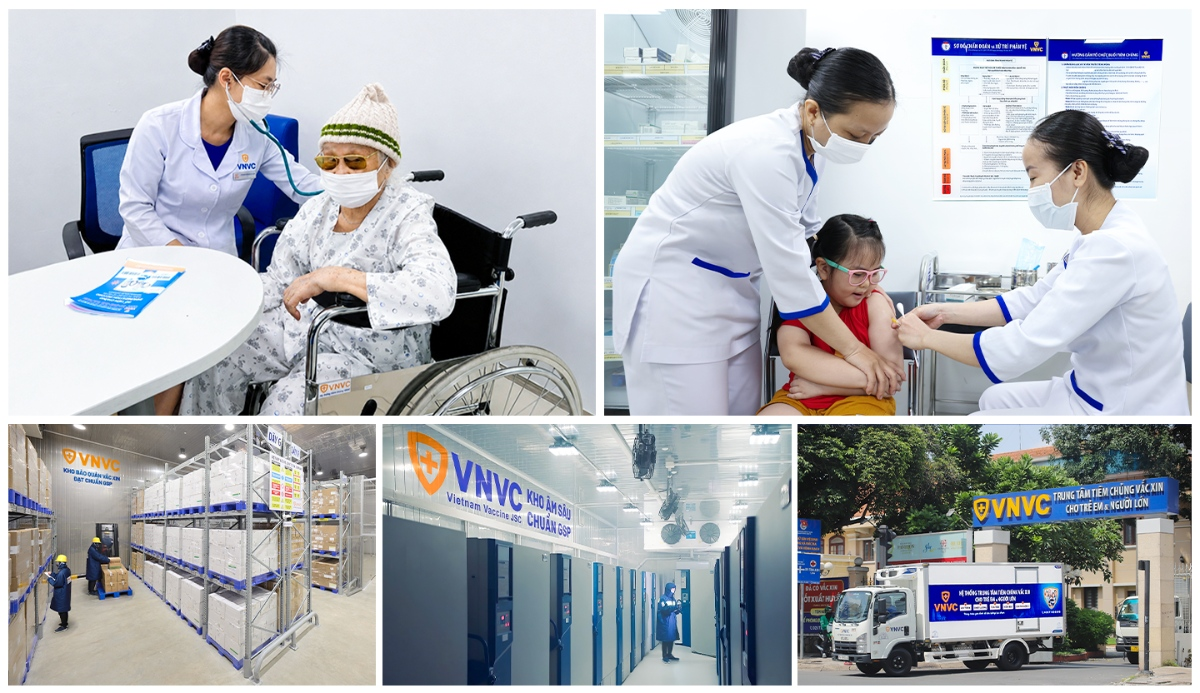
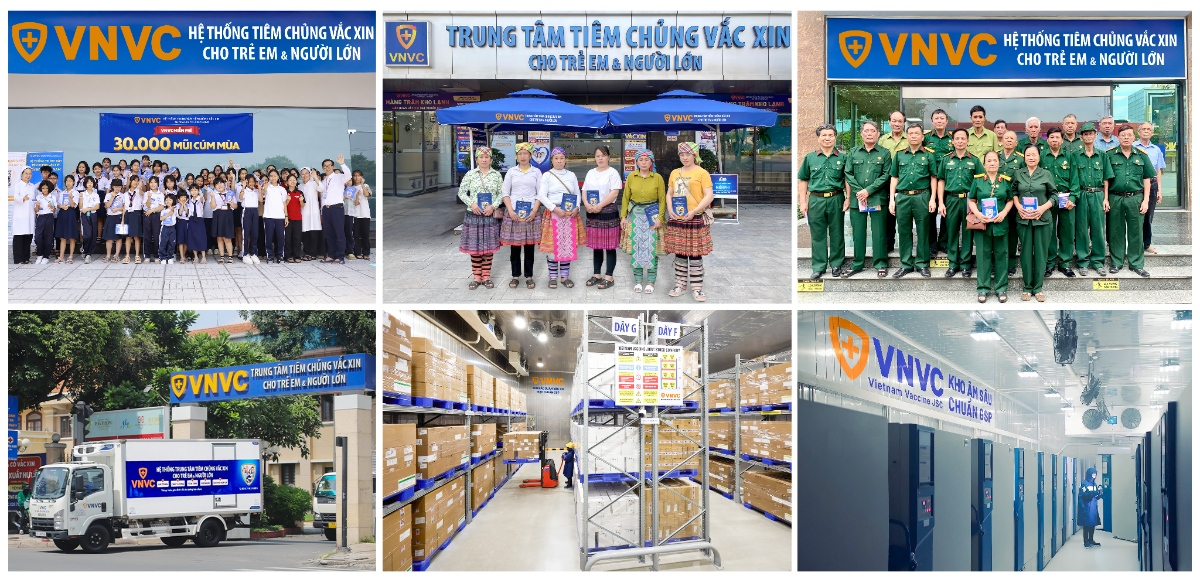
Mr. Ngo Chi Dung, Chairman of the Board of Directors and General Director of Vietnam Vaccine Joint Stock Company (VNVC), affirmed that, in this new phase of national development, with Vietnam's growing international standing and an increasingly favorable policy and regulatory environment, the private sector stands ready to take the initiative in making major investments in strategic technology fields, contributing alongside the State to building national capabilities in science, technology, and healthcare. In this spirit, VNVC has made long-term investments to build a comprehensive vaccine and immunization ecosystem, including a nationwide network of nearly 300 large-scale vaccination centers and, in particular, the construction of the modern, high-capacity VNVC Vaccine and Biological Manufacturing Plant. The Plant will enable the progressive acquisition of strategic and core technologies for next-generation vaccine manufacturing, while also supporting substantial investment in advancing vaccine research in accordance with the highest international standards.
Mr. Ngo Chi Dung emphasized: "The lessons learned from the COVID-19 pandemic have reinforced the determination of not only Vietnam but also many countries around the world to make major investments in building self-reliant capabilities in high-technology vaccine research and manufacturing. In Vietnam, the Party and State's strategic policies, the Government's strategic direction, and the guidance of the Ministry of Health have given VNVC and many other organizations the confidence to continue investing in science, technology, and innovation, with an even stronger focus on next-generation vaccine manufacturing and the development of Vietnam's high-technology pharmaceutical industry.
We also hope to see further breakthrough mechanisms and policies introduced by the Government, the Ministry of Health, and relevant authorities, accompanied by clearer long-term commitments, to enable VNVC and other private enterprises to continue making substantial investments in science and technology, thereby creating more strategic technology products. This will help ensure that Vietnamese people gain earlier and more convenient access to high-technology vaccines and biologics at more affordable prices, while progressively strengthening the domestic supply of key next-generation vaccines. Beyond improving the quality of community healthcare, manufacturing world-class vaccines in Vietnam is also an economically effective solution that strengthens national self-sufficiency and health security."
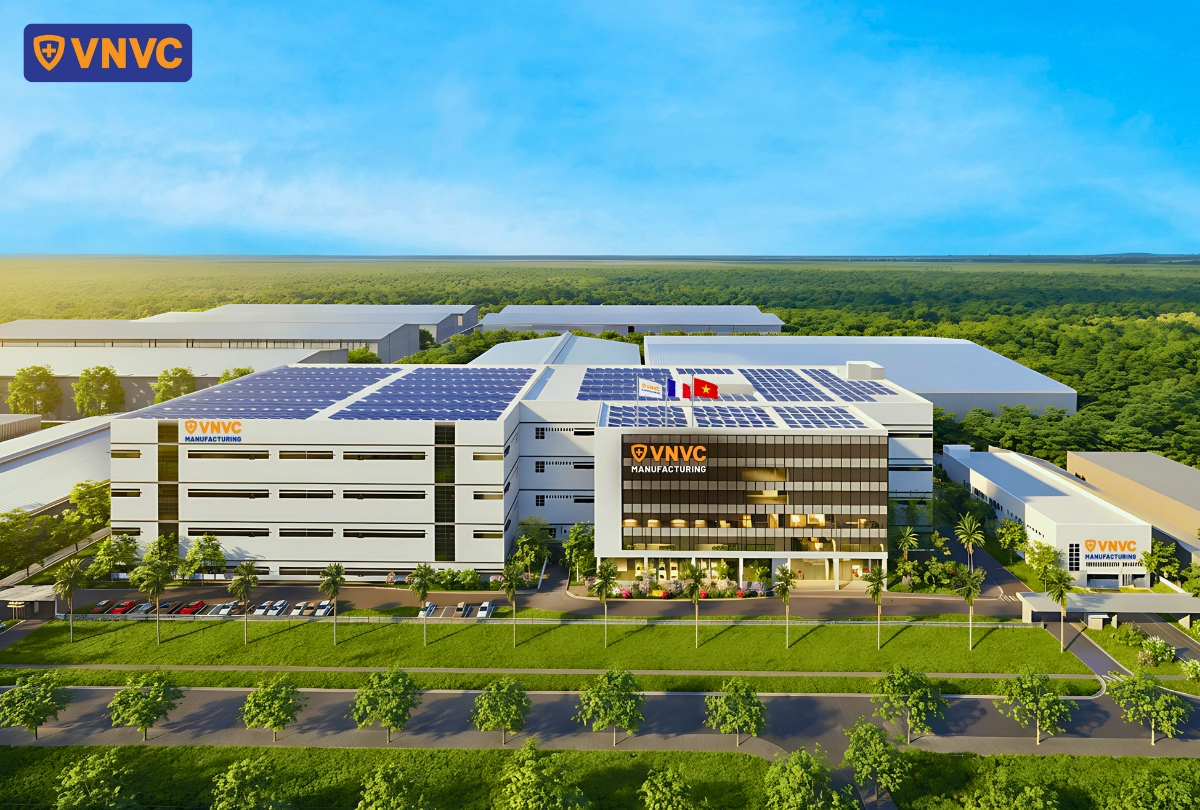
The VNVC Vaccine and Biological Manufacturing Plant is being developed with an initial investment of more than VND 2.5 trillion on a site of more than 26,000 m² in Tay Ninh Province. It is designed to meet international standards including EU-GMP, WHO-GMP, and US FDA requirements, with a planned production capacity of approximately 100 million vaccine doses per year. The manufacturing complex is envisioned to become a center for research and development (R&D), technology transfer, and the progressive mastery of high-technology vaccine and biologics manufacturing, while building comprehensive capabilities in research, manufacturing, quality testing, operational management, and human resource training. It will contribute to the development of strategic technology products, enhance national vaccine self-sufficiency, and strengthen national health security.
The VNVC Vaccine and Biological Manufacturing Plant is expected to commence operations by the end of 2027, begin vaccine manufacturing in 2028, and commercialize next-generation vaccines from 2029.
In parallel with the construction of VNVC’s Plant and its modern infrastructure, the partnership between Sanofi and VNVC is also implementing programs to train and develop human resources in research, manufacturing operations, and quality testing, with activities taking place in both Vietnam and France.
Within the framework of the Conference, keynote addresses delivered by representatives of the Central Steering Committee and the Government on the Ministry of Health's science, technology, innovation, and digital transformation agenda clarified the overarching strategic directions for the development of strategic technologies and strategic technology products in the new phase. Building on this foundation, the Conference reached a consensus that the development of high-technology sectors must adopt a comprehensive approach from the earliest stages, ensuring close integration among institutional frameworks, science, enterprises, and international cooperation. Delegates also agreed to continue refining mechanisms and policies; mobilizing and effectively utilizing resources; promoting public–private partnerships; strengthening research and innovation capabilities; progressively mastering technology; creating strategic technology products of practical value, thereby enhancing national competitiveness and effectively supporting socio-economic development.
The Vietnam–France High-Level Conference on Strengthening Strategic Cooperation for the Development of Next-Generation Vaccine Manufacturing Capacity in Vietnam not only marks a new milestone in the partnership between VNVC and Sanofi, but also reflects Vietnam's strategic direction toward advancing vaccine self-reliance. Through public–private partnerships and initiatives to build a vaccine manufacturing ecosystem, Vietnam is progressively mastering strategic technologies, strengthening proactive disease prevention capabilities, and consolidating national health security.
In recent years, the evolving landscape of infectious diseases, the risk of emerging pandemics, and disruptions to global healthcare supply chains have underscored the growing importance of vaccine self-sufficiency as a critical factor in ensuring national health security and sustainable development. In this context, public–private partnerships are not merely a means of mobilizing financial resources, but also a mechanism for connecting policy, science, technology, expertise, data, governance experience, and practical implementation capabilities. When the State, enterprises, international organizations, and scientific partners share a long-term vision centered on public health, such collaborative programs can generate greater systemic and sustainable value for the healthcare sector as a whole.


OTHER ARTICLES
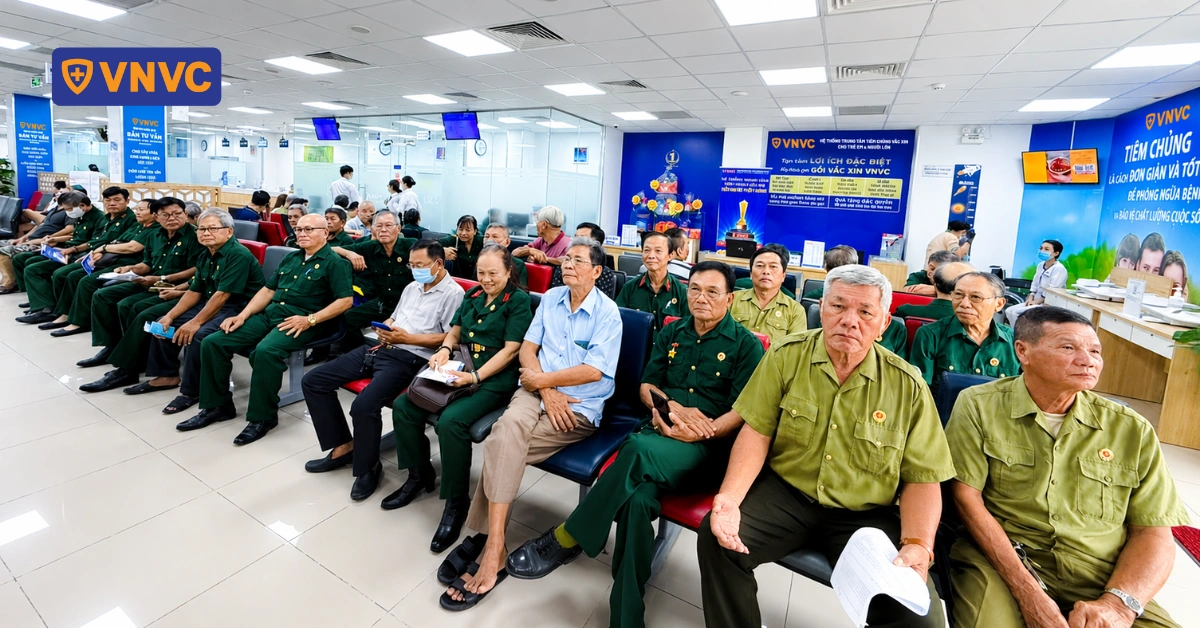
VNVC provides 10,000 free influenza vaccine doses in tribute to War Invalids, Sick Veterans, and People with Meritorious Services to the Revolution on the 79th anniversary of War Invalids and Martyrs’ Day
During these solemn days of July, as the nation respectfully commemorates and expresses gratitude to martyrs, war invalids, sick veterans, Vietnamese heroic mothers, mothers of martyrs, people...
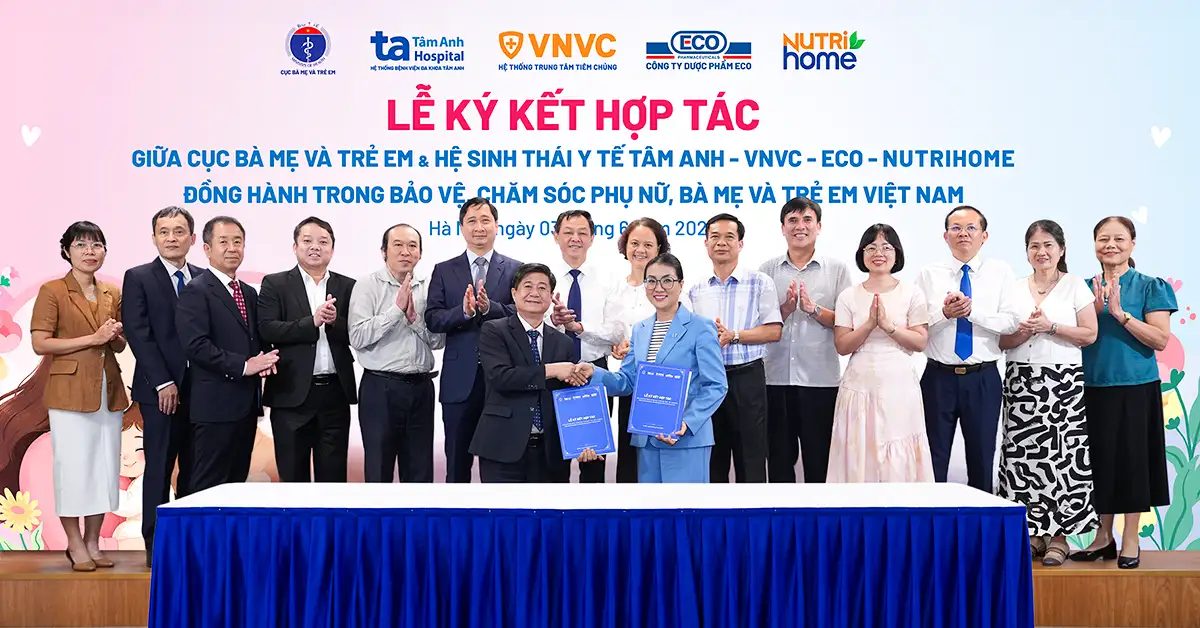
The Tam Anh – VNVC Healthcare Ecosystem signs a cooperation agreement with the Administration of Maternal and Children’s Affairs (Ministry of Health) to strengthen comprehensive health protection for Vietnamese women and children
On June 3, 2026, in Hanoi, the Administration of Maternal and Children's Affairs (Ministry of Health) and the Healthcare Ecosystem comprising Tam Anh General Hospital, VNVC Vaccination...
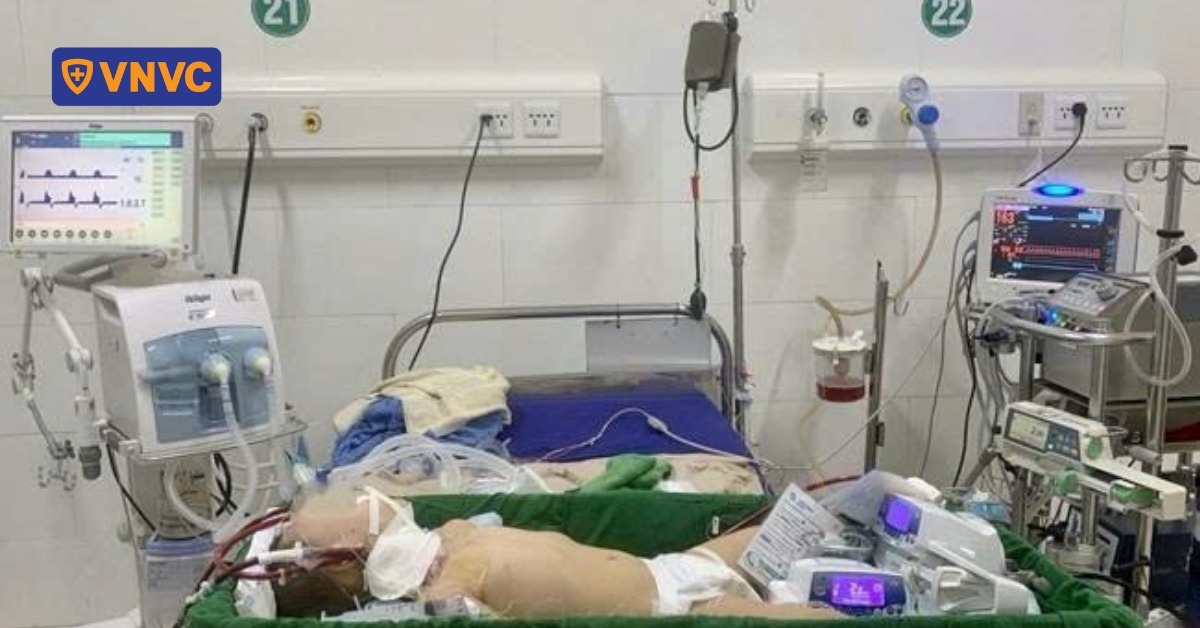
Understanding the burden of respiratory diseases in young children and comprehensive protection strategies from the earliest days of life
More than 70% of hospitalizations due to respiratory syncytial virus (RSV) occur within the first 6 months of life; pneumococcus accounts for approximately 50% of deaths from...

VNVC is a leading vaccination system in Southeast Asia
On April 18 in Singapore, the VNVC Vaccination System was honored as the No. 1 Vaccination System in ASEAN 2026, while also receiving two major awards: “ASEAN...

VACCINATION PRICE LIST AND CONVENIENT PAYMENT METHODS AT VNVC
(*) The best promotional price refers to the highest discount available under VNVC’s current policy at each time, applied based on specific programs, target groups, and conditions....