
VNVC Officially Administers RSV Monoclonal Antibody for Infants and Young Children



On December 23, 2025, the VNVC Vaccination System officially began administering the monoclonal antibody for the prevention of Respiratory Syncytial Virus (RSV), supplied by the Sanofi pharmaceutical group (France) in Vietnam, to infants and children up to 24 months old. This rollout complies with the new professional guidelines issued by the Department of Preventive Medicine (Ministry of Health) in Official Dispatch No. 1915 dated December 22, 2025.
This timely decision introduces a specific RSV prevention solution just as Vietnam enters the peak season for respiratory diseases. RSV is a primary concern for pediatricians and families with young children due to its rapid spread and potential to cause severe complications like bronchiolitis, pneumonia, and respiratory failure in infants and toddlers.

Thus, just two months after the official introduction of the monoclonal antibody in Vietnam, VNVC has become the pioneering vaccination center system to deploy this crucial biological product. This marks a step forward in the early RSV prevention strategy, expanding from treatment facilities to a professional, nationwide vaccination network; it meets the timely demand for proactive disease prevention, helps reduce RSV treatment and hospitalization costs, offers a lower access cost compared to previous-generation RSV monoclonal antibodies, and expands protection opportunities to all children instead of focusing only on high-risk groups as before.
Previously, starting in October 2025, VNVC had introduced and co-administered the RSV monoclonal antibody at the Tam Anh General Hospital Group and Nutrihome Clinic, units within the same healthcare ecosystem as VNVC, where it received positive feedback from doctors and numerous parents. Hundreds of children have been safely administered the antibody, mostly infants, including some just days old who received timely protection. To continue expanding service capacity for significant community demand, immediately following guidance from the Department of Preventive Medicine, VNVC deployed the monoclonal antibody across over 250 vaccination centers nationwide.
Shortly after the nationwide rollout at VNVC centers, Ms. Nguyen Thuy Quynh (31 years old, Hanoi) brought her over-6-month-old daughter to VNVC Truong Chinh for prevention. Having experienced a bronchiolitis episode requiring hospitalization when her child was just 2 months old, Ms. Quynh stated her family decided to administer the monoclonal antibody early as soon as the service became available. "Having a preventive measure from the start gives me more peace of mind; if the child does get sick, it will likely be milder, reducing hardship for both the child and the family," she said.

RSV is the leading cause of bronchiolitis, bronchitis, and pneumonia in young children and the elderly. The World Health Organization (WHO) estimates over 3.6 million children are hospitalized annually due to RSV, with over 100,000 deaths, nearly 50% occurring in infants under six months of age. The disease circulates year-round in Vietnam, typically surging during seasonal transitions, rainy, cold weather, and air pollution periods at year-end. Currently, there is no specific treatment, primarily relying on supportive care, while young children often experience rapid and unpredictable progression. Recently, hospitals have reported increasing numbers of children presenting for examination and being hospitalized due to RSV infection, including many aged just 1–2 months requiring oxygen, ventilator support, with some rapidly progressing from cough, fever, and wheezing to respiratory failure.
RSV is a dangerous respiratory pathogen easily causing severe complications in young children; deploying specific preventive measures from an early stage helps reduce hospitalization risk and disease burden, aligning with the focus of Decree 72 on expanding immunization programs, lifecycle health management, and protecting high-risk groups. Expanding deployment to standard vaccination facilities like VNVC not only enhances public access but also contributes to realizing the goal of achieving over 95% immunization coverage by 2030, controlling risk factors, and building a sustainable preventive healthcare system grounded in effective disease prevention for public health.
Dr. Cam Ngoc Phuong, Director of the Neonatal Center at Tam Anh General Hospital HCMC, stated that RSV is the leading cause of hospitalization in young children worldwide, easily spreading via respiratory routes like a common cold virus. The virus can survive up to 6 hours on surfaces, toys, keyboards, and doorknobs, and 30 minutes on contaminated skin like hands.
RSV can cause respiratory tract damage from mild to severe, such as bronchiolitis and life-threatening pneumonia. If not detected and treated promptly, it can lead to acute respiratory failure, lung collapse, bacterial superinfection, pneumothorax, dehydration, arrhythmia, apnea, and death. Furthermore, the disease can leave long-term sequelae like pulmonary fibrosis, impaired respiratory function, re-hospitalization, or chronic asthma.
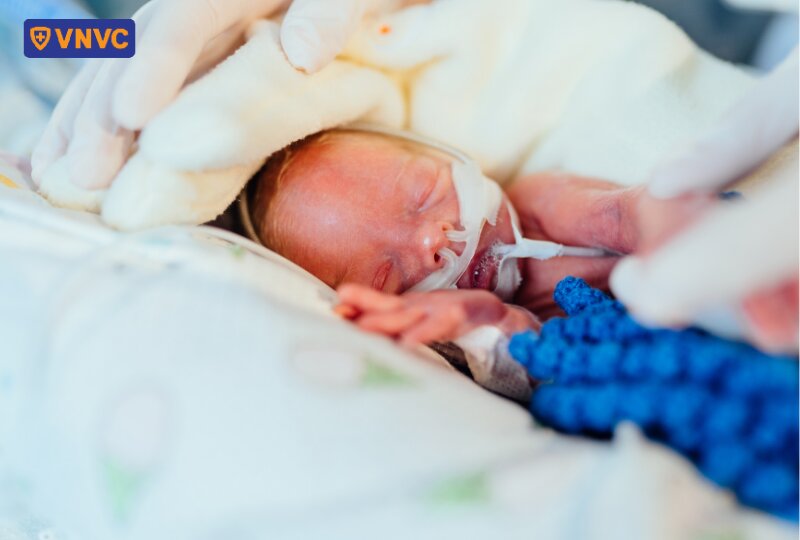
Dr. Phuong noted that RSV causes 50–90% of bronchiolitis cases and 5–40% of pneumonia cases in children. Up to 75–90% of children are infected with RSV in their first year of life, with 0.5–2% requiring hospitalization, meaning approximately 0.5 to 2 out of every 100 infected children are hospitalized. Young children have immature immune systems and narrow airways prone to obstruction, leading to a high risk of severe progression with RSV. Meanwhile, the disease can re-infect multiple times a year as the body does not develop long-lasting immunity after recovery.
Dr. Phuong assessed that expanding monoclonal antibody deployment within the VNVC vaccination system is a suitable direction, helping parents proactively prevent disease early for their children, especially during high-risk periods for RSV infection and severe complications. "This not only reduces hospitalization rates and pressure on treatment facilities during peak seasons but also helps families reduce costs, care time, and the risk of long-term sequelae in children," Dr. Phuong emphasized.
This approach aligns with the focus of Politburo Resolution 72-NQ/TW, which identifies preventive healthcare as a pillar, prioritizes early and remote disease prevention, and places children at the center of healthcare.
Dr. Bach Thi Chinh, Medical Director of the VNVC Vaccination System, stated that the RSV monoclonal antibody brought to Vietnam by VNVC and Sanofi is produced using recombinant biotechnology, providing specific antibodies directly, protecting children immediately after injection without waiting for the body to build immunity as with vaccines. According to internationally published data, this monoclonal antibody reduces the risk of RSV-related hospitalization and intensive care by over 82%, with protection lasting at least 5–6 months. Notably, the antibody can be administered right after birth, suitable for all newborns, including preterm, low birth weight, or those with underlying conditions, with a favorable safety profile and few recorded post-injection reactions.
"The RSV monoclonal antibody can be administered concurrently with some other vaccines or immunoglobulin products as indicated by a doctor. Children 12 months and under require only one dose; children over 12–24 months at high risk for RSV can also use it. The dosage is prescribed by a doctor based on injection timing, weight, and assessment of the child's risk factors," Dr. Chinh added.
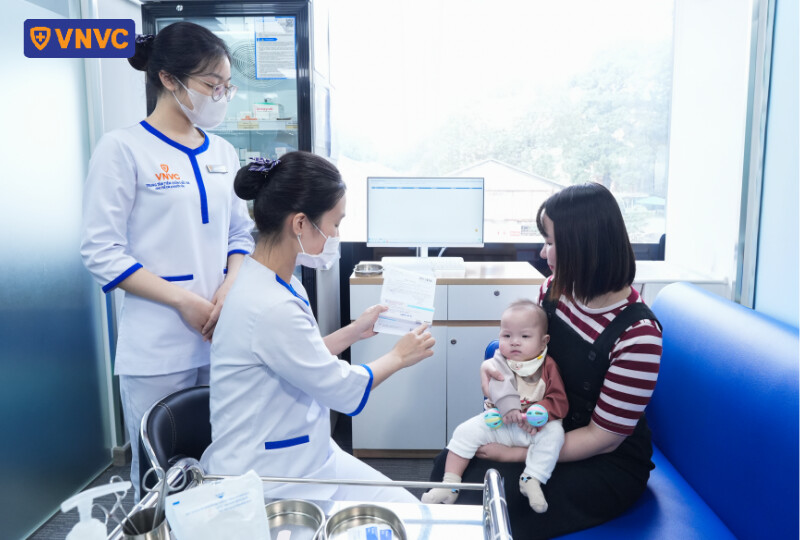
As of October 2025, this RSV preventive monoclonal antibody has been approved in nearly 60 countries, including the US, France, the UK, Canada, Japan, and Australia, and incorporated into national immunization programs in over 25 developed countries.
Previously, VNVC sequentially introduced RSV vaccines for pregnant women and the elderly, including Pfizer's RSV vaccine from late September 2025 and GSK's new-technology RSV vaccine from December 14, 2025, providing timely protection for high-risk groups amidst rising respiratory diseases. The continued deployment of the RSV monoclonal antibody for infants and young children has helped VNVC complete the "triple" RSV prevention solution, contributing to a lifecycle strategy for preventing severe pneumonia complications, bronchiolitis, and respiratory failure, protecting all age groups from children and pregnant women to the elderly and those with underlying conditions.
VNVC is a leading safe, reputable, and high-quality vaccination system in Vietnam. Established in 2017, VNVC has introduced over 20 new and next-generation vaccines, ending shortages of service vaccines and contributing to increased immunization rates for children and adults in Vietnam. VNVC is a member of Vietnam's leading comprehensive and robust private healthcare ecosystem: the Tam Anh General Hospital Group - VNVC Vaccination System - Nutrihome Nutrition Center - Tam Anh Research Institute - ECO Pharmaceuticals along with Eplus Company, the unit importing and distributing vaccines and biological products to over 250 VNVC Vaccination centers nationwide and member companies in market research, information technology, logistics, customer care, and marketing communications... The coordination between these units creates a closed-loop healthcare value chain, from research, production, distribution, and immunization to comprehensive public healthcare.
Beyond vaccination activities, VNVC is investing in building the VNVC Vaccine and Biological Manufacturing Plant in Tay Ninh Province with an initial total investment of over VND 2,500 billion, spanning over 26,000 m² and a design capacity of up to 100 million doses annually, meeting international WHO GMP, EU GMP, and FDA GMP standards. Scheduled to commence operations by the end of 2027, the Plant is expected to play a crucial role in the vaccine self-reliance roadmap, enhancing national health security, proactively preventing epidemics, and gradually participating in regional and international vaccine supply chains.


OTHER ARTICLES
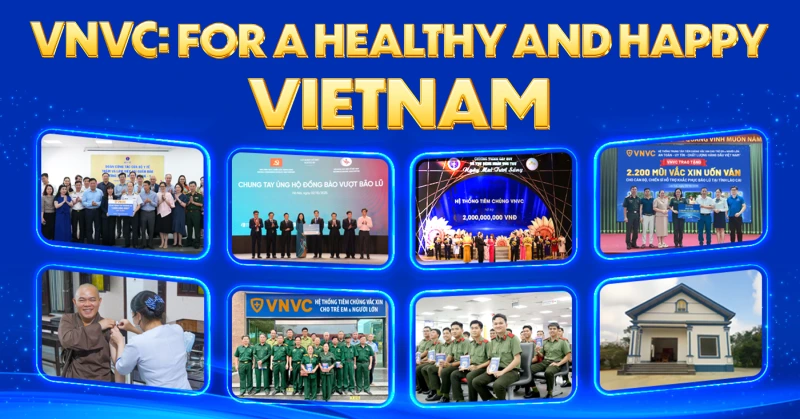
VNVC: FOR A HEALTHY AND HAPPY VIETNAM
VNVC demonstrates a strong and sustained commitment to social responsibility by partnering with communities through preventive healthcare and safe vaccination initiatives, contributing to the protection of public...
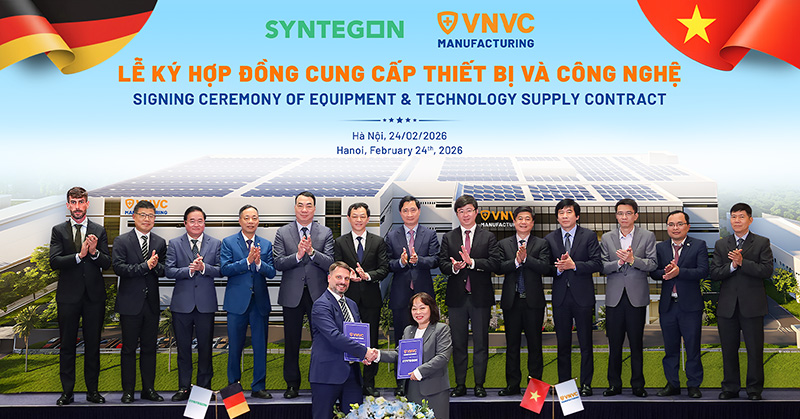
VNVC Vaccine and Biological Manufacturing Plant signs contract to purchase one of the world’s most advanced vaccine manufacturing lines
On February 24 in Hanoi — In the presence of Deputy Minister of Health Nguyen Tri Thuc and Deputy Minister of Science and Technology Bui Hoang Phuong,...

VNVC and Sanofi Sign Vaccine Technology Transfer Agreement in Presence of Presidents Macron and Luong Cuong
Hanoi – May 26: In the presence of Vietnamese President Luong Cuong and French President Emmanuel Macron, Vietnam Vaccine Joint Stock Company (VNVC) and French pharmaceutical corporation...
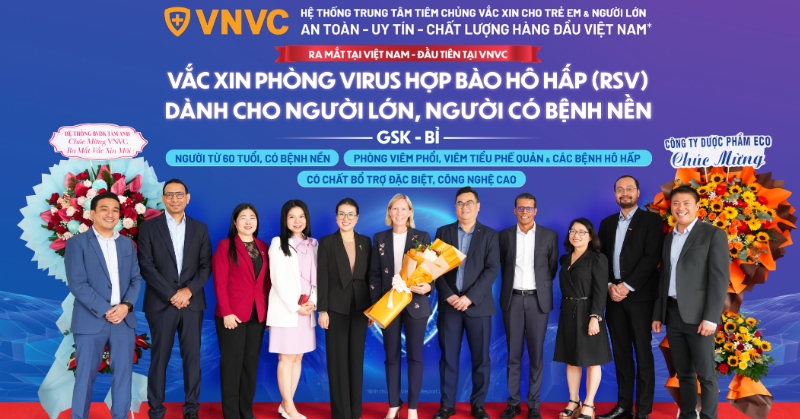
Realizing Vietnam–UK healthcare cooperation: Next-generation RSV vaccine provides timely prevention of severe pneumonia complications in adults and patients with underlying conditions
On December 14, 2025, the VNVC Vaccination System officially launched and began nationwide deployment of a new-generation vaccine against respiratory syncytial virus (RSV), researched and manufactured by...
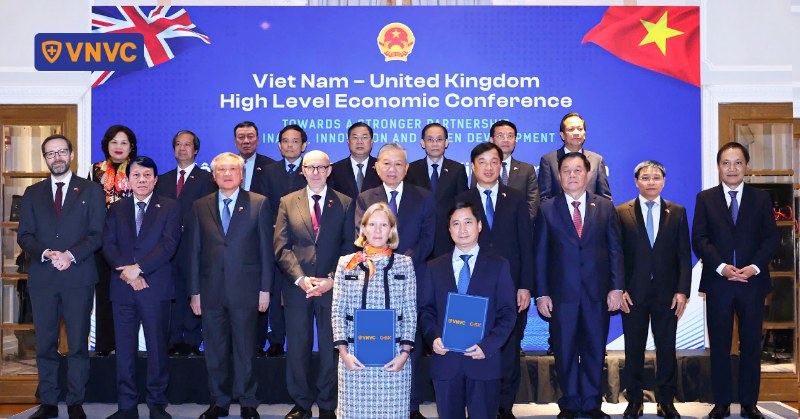
General secretary To Lam witnesses ceremony to elevate strategic cooperation between Vietnam vaccine JSC (VNVC) and GSK (UK)
London, the afternoon of October 30, 2025 (Vietnam time) – Under the witness of General Secretary To Lam and Mr. Matt Western – UK Government’s Trade Envoy,...
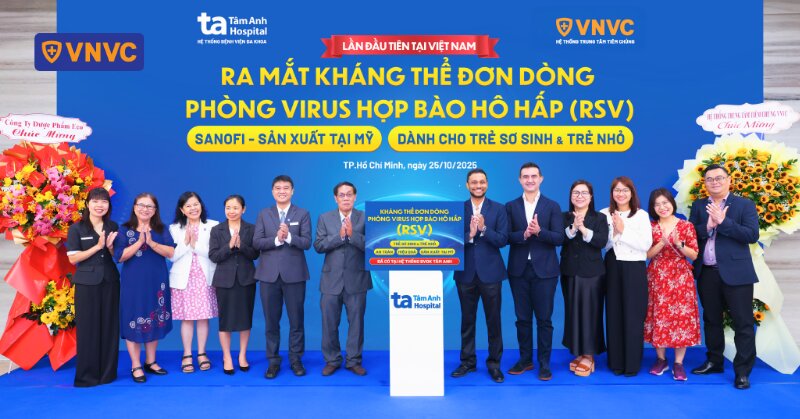
Vietnam introduces monoclonal antibody against RSV for children for the first time
On October 25, 2025, VNVC Vaccination Center System and Tam Anh General Hospital Group officially introduced and began the administration of Beyfortus (Nirsevimab), a monoclonal antibody developed...